How to Launch a Profitable Vending Machine Business in 2026
The 2026 Vending Revolution
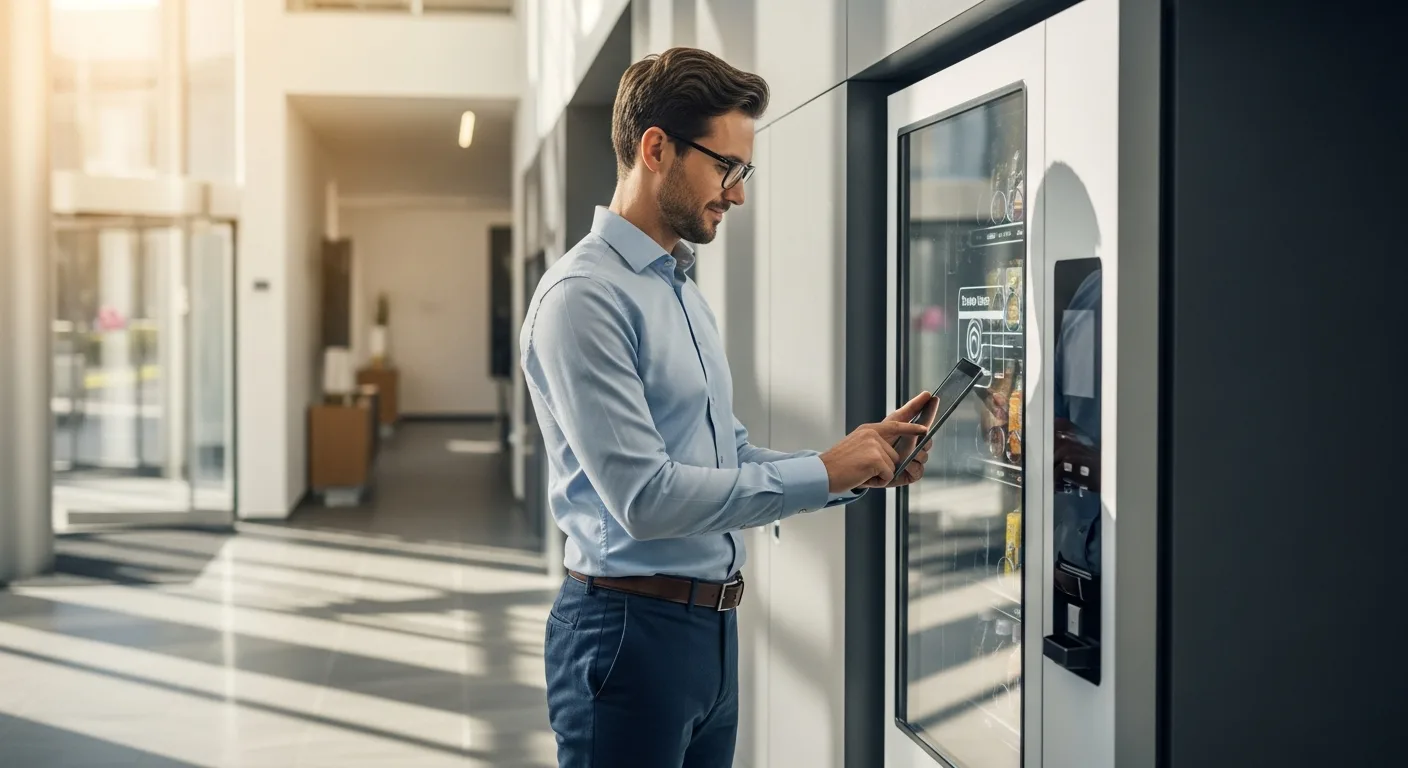
Passive income is the holy grail of the modern economy, and in 2026, the vending machine industry has evolved far beyond stale chips and jammed coin slots. Today, a savvy entrepreneur can manage a fleet of high-tech kiosks from his smartphone, leveraging AI-driven inventory tracking and biometric payment systems. The barrier to entry remains low, but the potential for scaling is immense for a man who understands the intersection of convenience and technology.
Success in this field requires more than just buying a machine and dropping it in a random hallway. It demands a strategic approach to location, product selection, and maintenance. If he is looking for a low-overhead entry into entrepreneurship, he might find that a home-based business guide provides the perfect foundation for managing his vending operations from his own living room.
Identifying High-Profit Niches
The days of “soda and snacks” being the only option are over. To maximize margins in 2026, he must look at specialized niches that cater to specific needs. High-traffic areas now demand more than just junk food. Consider these high-performing categories:
- Healthy Grab-and-Go: Protein shakes, keto-friendly snacks, and fresh salads for gym-goers and office workers.
- Tech Essentials: Charging cables, power banks, and high-quality earbuds in airports or transit hubs.
- Personal Care: Premium grooming kits, masks, and hygiene products in hotel lobbies.
- Specialty Coffee: High-end automated baristas that serve barista-quality lattes in corporate buildings.
Securing the Right Locations
Location is the single most important factor in the vending business. A machine in a quiet corner is a liability; a machine in a high-traffic bottleneck is a goldmine. He should focus on securing contracts with property managers in the following areas:
Manufacturing Plants and Warehouses: These environments often have 24/7 shifts where workers need quick access to food and caffeine. Apartment Complexes: Large residential buildings with limited nearby retail are perfect for essential grocery vending. Medical Centers: Hospitals never sleep, and staff often rely on vending machines during late-night shifts.
When negotiating with a property owner, he should emphasize the value-add for their tenants or employees. Offering a small percentage of the gross sales (typically 5% to 15%) as a commission is a standard way to secure a prime spot.
Investing in Smart Hardware
In 2026, he cannot afford to use outdated equipment. Modern machines must be equipped with cashless payment processors, including Apple Pay, Google Wallet, and even cryptocurrency options. Furthermore, telemetry software is non-negotiable. This technology allows him to see real-time sales data and inventory levels, ensuring he never wastes a trip to a machine that is still half-full.
He should decide between buying new or refurbished machines. New machines come with warranties and the latest tech but require a higher upfront investment. Refurbished units are cheaper but may require more frequent maintenance. A smart operator often starts with one or two high-quality refurbished machines to prove the location’s viability before upgrading.
Legal Setup and Logistics
Before placing his first machine, he must ensure his business is legally sound. This typically involves forming an LLC to protect his personal assets and obtaining a general business license. Depending on his location, he may also need a health department permit if he is selling perishable goods.
Logistics involve more than just restocking. He needs a reliable vehicle, a dedicated storage space for inventory, and a schedule that minimizes travel time. Efficiency is the key to maintaining high profit margins. Once the first machine is profitable, he should look into strategies on how to grow your business to expand his fleet across the city and eventually hire a route driver.
Maximizing ROI Through Data
The true advantage of a vending machine business in 2026 is the data. He should analyze which products sell fastest at specific times of the day. If a particular energy drink sells out every Tuesday morning, he can adjust his stocking schedule or increase the slot capacity for that item. This level of micro-management at the product level is what separates a hobbyist from a professional operator.
Frequently Asked Questions
How much capital is needed to start a vending business in 2026?
A man can start with as little as $2,000 to $5,000. This covers a quality used machine, initial inventory, and basic legal fees. High-end smart kiosks can cost upwards of $10,000.
Is a vending machine business truly passive?
It is semi-passive. While he doesn’t need to be there for every sale, he must spend time restocking, collecting cash (if applicable), and performing routine maintenance. As he scales, he can outsource these tasks.
What is the average profit margin for a vending machine?
Typical margins on snacks and drinks range from 50% to 200%. After accounting for commissions, electricity, and travel costs, a well-placed machine can net between $300 and $600 per month.