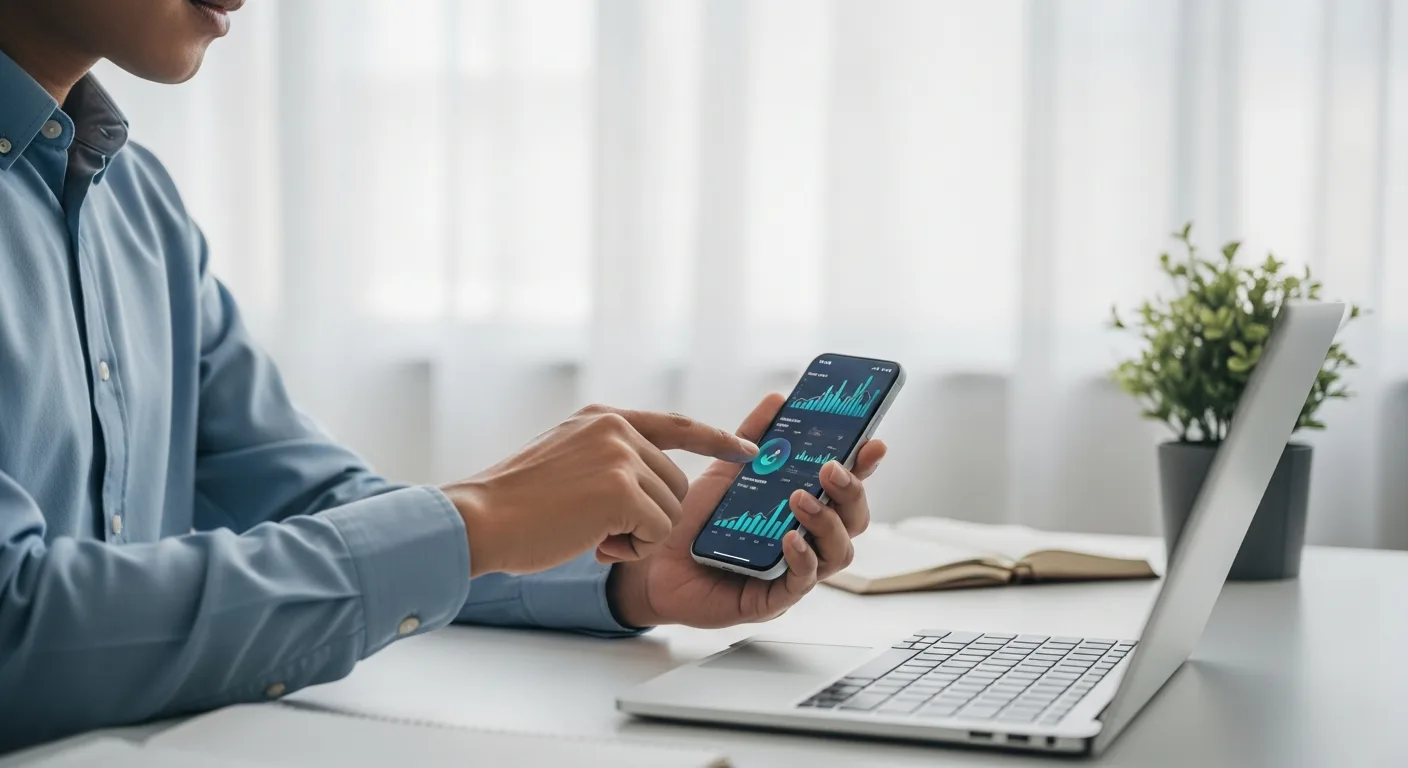
Is Your Mobile-First Business Strategy Ready for 2026?
The Death of the Desktop-First Mindset
If a business owner is still designing his website for a 27-inch monitor first, he is essentially handing his market share to his competitors. In 2026, the smartphone is no longer a secondary device; it is the primary—and often the only—touchpoint for the modern consumer. A mobile-first business strategy is no longer a suggestion; it is the baseline for survival.
The shift has moved beyond responsive design. Today, a leader must think about how his brand lives in a pocket. This means prioritizing thumb-friendly navigation, vertical video content, and lightning-fast load times that accommodate users on the move. If he fails to capture attention within the first three seconds of a mobile session, he has lost that lead forever.
Core Pillars of a 2026 Mobile Strategy
To dominate the market this year, an entrepreneur needs to focus on three specific areas that define the mobile experience:
- Speed and Performance: 5G is now the standard, and users expect instant gratification. A business owner must audit his site’s Core Web Vitals regularly to ensure his mobile performance is flawless.
- Zero-Click Search Optimization: With AI-driven search results, a user often finds what he needs without leaving the search page. Structuring data so a customer can find a phone number or address instantly is vital.
- Frictionless Payments: If a customer has to manually type in his credit card number on a small screen, he will likely abandon his cart. Integrating one-tap biometric payments is a requirement for high conversion rates.
Leveraging Mobile Technology Without a Tech Background
Many founders feel overwhelmed by the technical requirements of building a custom mobile presence. However, the barrier to entry has never been lower. Even if a founder lacks a coding background, he can leverage app development for non-technical founders to create high-performance tools that keep his brand front and center on a user’s home screen.
The goal is to move away from being a “website” and toward being a “utility.” A smart businessman asks himself: “How can my mobile presence solve a problem for my customer in under thirty seconds?” Whether it’s a booking tool, a loyalty tracker, or a personalized dashboard, the utility is what keeps the user coming back.
AI Integration in the Mobile Ecosystem
Artificial Intelligence is the engine driving mobile growth in 2026. By integrating ai chatbot for customer service benefits, a business owner can handle thousands of inquiries simultaneously without increasing his overhead. These bots are now sophisticated enough to handle complex troubleshooting and sales closures directly within a mobile messaging interface.
Furthermore, AI allows for hyper-personalization. When a user opens an app or mobile site, the content he sees should be tailored to his previous behavior, location, and even the time of day. This level of relevance ensures that the businessman is not just shouting into the void but providing genuine value to his specific audience.
Mobile SEO and Local Dominance
For the local business owner, mobile-first is synonymous with local-first. Most mobile searches have local intent—someone looking for a service “near me” while he is out and about. To capture this traffic, a leader must ensure his Google Business Profile is optimized and his local citations are consistent across the web.
He should also focus on voice search optimization. As more men use hands-free devices while driving or working, the way they phrase queries has changed. They use natural language and full questions. A savvy marketer adapts his content to answer these specific questions directly, securing the “position zero” spot in search results.
Frequently Asked Questions
Does every small business need a dedicated mobile app in 2026?
Not necessarily. While a dedicated app offers better engagement, a highly optimized Progressive Web App (PWA) can often provide the same benefits without the high development costs or the friction of a download.
How does mobile speed affect my Google ranking?
Google uses mobile-first indexing, meaning it looks at the mobile version of a site to determine its rank. If a site is slow or hard to navigate on a phone, the business owner will see his rankings drop significantly, regardless of how good his desktop site looks.
What is the most common mistake in mobile strategy?
The biggest mistake is “shrinking” a desktop site to fit a mobile screen. This often results in buttons that are too small to click and text that is impossible to read. A leader should design for the mobile experience first and then scale up for larger screens.