Is a Laundromat Business Investment Still Profitable in 2026?
The Resilience of the Laundromat Model in 2026
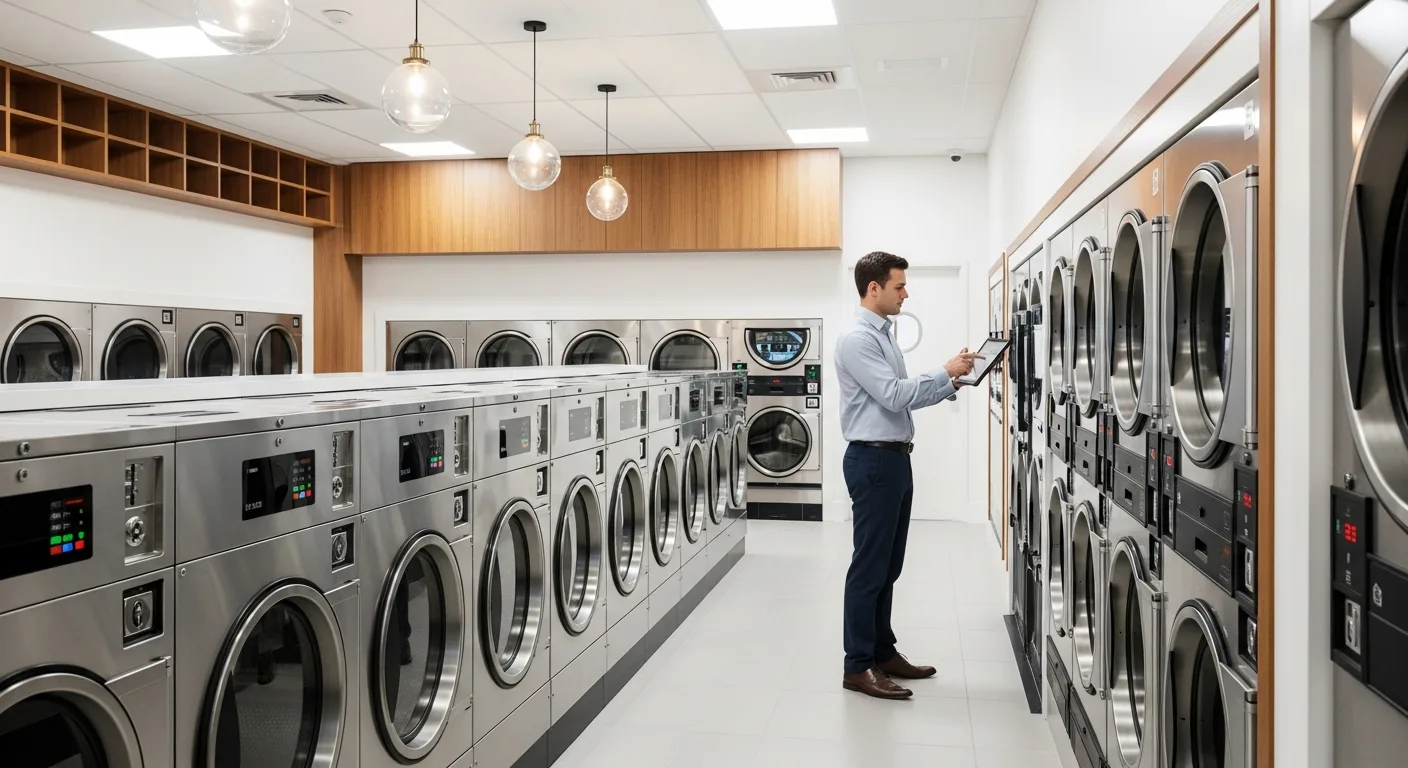
Investing in a laundromat has long been a staple for the savvy entrepreneur seeking consistent cash flow. In 2026, the industry has evolved from grimy, coin-operated basements to high-tech, automated hubs. For a man looking to diversify his portfolio, this sector offers a unique blend of physical asset security and modern scalability. Unlike retail or hospitality, laundry is a fundamental necessity; people always need clean clothes, regardless of the economic climate.
The 2026 market favors the investor who embraces hybrid models. We are seeing a shift where owners integrate wash-and-fold delivery services with traditional self-service. This dual-revenue stream ensures that even if foot traffic dips, the machines stay spinning. Much like a vending machine business setup, the laundromat model thrives on low labor costs and high-frequency usage, making it a premier choice for those seeking semi-passive income.
Calculating the Initial Capital Requirements
Entering the laundry space requires a significant upfront commitment, but the payoff is often more stable than the stock market. A typical mid-sized laundromat in 2026 requires an investment ranging from $250,000 to $600,000. This covers high-efficiency industrial washers, dryers, plumbing retrofits, and interior design.
- Equipment: Modern machines now feature IoT connectivity, allowing an owner to monitor his utility usage and machine health from his smartphone.
- Leasehold Improvements: Impact fees and specialized plumbing can account for 30% of the startup cost.
- Licensing: Depending on the municipality, an investor must secure specific environmental and health permits.
While the barrier to entry is higher than a digital startup, the failure rate is remarkably low. Most well-located laundromats boast a 90% success rate over five years. An investor can often leverage his existing assets to secure favorable financing, as banks view these businesses as low-risk collateral.
Leveraging Technology for Passive Management
The days of carrying heavy bags of quarters are largely over. In 2026, successful laundromats are cashless. By implementing app-based payment systems, an owner eliminates the risk of theft and the labor cost of manual coin collection. He can also implement dynamic pricing, raising rates during peak weekend hours and offering discounts during Tuesday morning lulls to balance the load on his machines.
Automation extends to utility management. AI-driven water heating systems and ozone laundry technology reduce chemical use and cut gas bills by up to 40%. For the investor, this means higher margins and a smaller carbon footprint. He can manage his entire operation remotely, only visiting the site for maintenance or to check on his cleaning crew.
Strategic Real Estate and Site Selection
Location is the single most important factor in determining ROI. Success often hinges on securing business real estate in high-density areas where apartment dwellers lack in-unit laundry facilities. An investor should look for “laundry deserts”—neighborhoods with a high concentration of renters but aging or non-existent laundromats.
Key demographics to watch:
- Blue-collar neighborhoods: High demand for large-capacity machines for work uniforms and heavy bedding.
- Student housing: High turnover and a preference for app-based, tech-forward facilities.
- Urban centers: High foot traffic and the potential for premium wash-and-fold services.
He must also analyze the competition. If a nearby competitor has outdated machines, a new investor can quickly capture the market by offering a cleaner, faster, and more technologically advanced experience.
Maximizing Revenue Beyond the Wash Cycle
To truly excel in 2026, an investor shouldn’t stop at laundry. The most profitable shops utilize every square foot of their floor plan. This might include high-margin vending machines, ATM services, or even small co-working nooks with high-speed Wi-Fi.
By offering a premium experience, he encourages customers to stay longer and spend more. Some owners have successfully integrated locker systems for package deliveries, turning their laundromat into a community logistics hub. This diversification protects his bottom line and ensures that his investment remains a cornerstone of the local neighborhood economy.
Frequently Asked Questions
What is the average ROI for a laundromat in 2026?
Most investors see a return on investment between 20% and 35%. Because it is a cash-heavy business with low inventory, the cash-on-cash returns are often superior to traditional real estate rentals.
How much time does an owner need to spend on-site?
With modern automation and remote monitoring, an owner can manage his business in as little as 5 to 10 hours per week. This time is usually spent on bookkeeping, managing staff, and overseeing maintenance.
Are laundromats truly recession-proof?
Yes. Clean clothes are a non-negotiable necessity. During economic downturns, people may delay buying new clothes, but they will always pay to wash the ones they have. In fact, many people move from luxury apartments with in-unit laundry to more affordable housing without it, actually increasing the customer base for laundromats.
What are the biggest risks in 2026?
The primary risks include rising utility costs and predatory lease renewals. An investor must ensure he has a long-term lease with fixed increases and invest in the most energy-efficient equipment available to mitigate these costs.