How to Launch a Profitable Graphic Design Business in 2026?
Carving Your Niche in a Saturated Market
The days of being a generalist are fading. In 2026, a graphic design business startup succeeds by solving specific problems for specific industries. A designer who claims he can do everything often ends up being the first choice for no one. Instead, he should focus on high-growth sectors like biotech branding, spatial computing interfaces, or sustainable packaging design.
By narrowing his focus, he positions himself as an expert rather than a commodity. This allows him to command higher rates because he understands the unique pain points of his clients. For example, a designer specializing in fintech knows the regulatory requirements for visual communication, making him far more valuable than a general freelancer.
Establishing Your Legal and Brand Foundation
Before a founder takes on his first client, he must ensure his business is built on solid ground. This starts with choosing a structure—whether a sole proprietorship or an LLC—and securing the necessary permits. Before he settles on a brand identity, he should verify his chosen name’s availability to avoid legal headaches or trademark disputes later.
Once the name is locked in, he needs to build his own brand. This is his first case study. His logo, typography, and color palette must reflect the level of quality he intends to deliver. If his own branding looks dated or sloppy, he will struggle to convince a CEO to trust him with a multi-thousand-dollar project.
Building a High-Performance Tech Stack
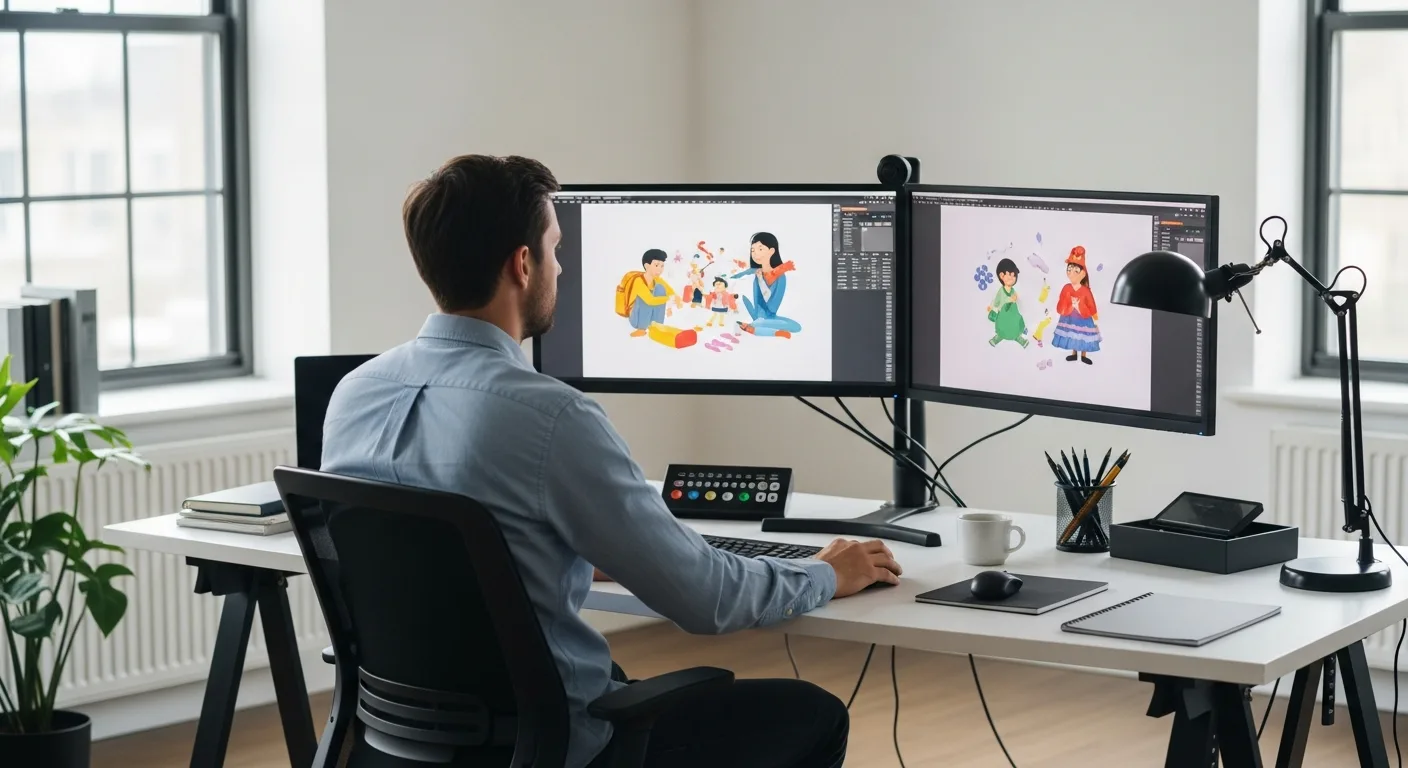
A professional design business cannot run on consumer-grade hardware. In 2026, the integration of AI-assisted design tools and high-fidelity rendering requires significant computing power. He should invest in a workstation with a high-end GPU and a color-accurate monitor. Skimping on hardware leads to bottlenecks that eat into his profit margins.
- Software: Beyond the standard Adobe Creative Cloud, he should master tools like Figma for UI/UX and Midjourney or Firefly for rapid prototyping.
- Project Management: Tools like Notion or Monday.com help him keep track of deadlines and client feedback.
- Contracts: He must use professional contract software to ensure he gets paid on time and retains his intellectual property rights.
Crafting a Portfolio That Sells Results
Clients do not buy pretty pictures; they buy business outcomes. When building his portfolio, the founder should focus on the “why” behind his designs. Instead of just showing a logo, he should explain how that logo helped a client increase brand recognition by 30% or how a website redesign lowered bounce rates.
He should curate his best work rather than showing everything he has ever created. Five deep, detailed case studies are significantly more effective than fifty mediocre screenshots. Each case study should highlight his process, from the initial discovery phase to the final delivery.
Client Acquisition and Networking
Waiting for clients to find him is a recipe for failure. A proactive approach is mandatory. He should leverage LinkedIn to connect with marketing directors and business owners in his chosen niche. Sharing insights about design trends and how they impact ROI can establish him as a thought leader.
Even in a digital-first era, handing over premium double-sided business cards during a face-to-face meeting leaves a lasting impression of professionalism. Networking at industry-specific conferences—not just design conferences—allows him to meet potential clients where they are, rather than competing with thousands of other designers in online marketplaces.
Pricing for Profitability
One of the biggest mistakes a new business owner makes is pricing based on hours worked. This punishes him for being efficient. Instead, he should move toward value-based pricing. If a branding project will help a company secure $1 million in funding, the design work is worth significantly more than the 20 hours it took to create.
He should offer tiered packages to give clients options while protecting his bottom line. This approach anchors the value of his work and allows him to scale his revenue without simply working more hours.
Frequently Asked Questions
What is the most profitable niche for graphic design in 2026?
High-tech industries like AI development, renewable energy, and fintech are currently the most profitable. These sectors value precision and high-end branding to establish trust with their investors and customers.
How much should I save before starting a design business?
A founder should ideally have at least six months of living expenses plus the cost of his initial tech stack. This runway allows him to be selective with clients rather than taking low-paying jobs out of desperation.
Do I need a degree to start a graphic design business?
No. While a degree can provide a foundation, clients in 2026 care almost exclusively about a designer’s portfolio and his ability to deliver measurable results. Proven experience and a professional network are far more valuable than a diploma.