Which Meal Prep Business Ideas Are Most Profitable in 2026?
The High-Demand World of Meal Prep
The modern professional is starving for time, yet he refuses to compromise on his health. This gap between a busy schedule and the desire for a nutritious diet has turned the meal prep industry into a multi-billion dollar powerhouse. In 2026, the market has shifted away from generic “healthy eating” toward highly specialized, hyper-local services that cater to specific lifestyles.
Starting a meal prep venture allows an entrepreneur to combine culinary skill with a scalable subscription model. Unlike a traditional restaurant where foot traffic is unpredictable, meal prep offers the advantage of recurring revenue and predictable inventory management. If a founder understands his target audience’s specific dietary hurdles, he can build a loyal customer base that stays for years.
Niche Meal Prep Business Ideas for 2026
Success in this space no longer comes from offering a broad menu. It comes from solving a specific problem for a specific person. Here are the most lucrative niches currently dominating the market:
- The Performance Athlete Model: Focus strictly on macro-counted meals for bodybuilders or endurance athletes. He needs precise grams of protein, carbs, and fats to reach his goals.
- Medical-Grade Nutrition: Partner with local clinics to provide low-sodium, heart-healthy, or diabetic-friendly meals. This positions the business as a health solution rather than just a convenience.
- The “Executive Lunch” Subscription: Target high-earning professionals who work in central business districts. Delivering premium, chef-prepared lunches directly to his office eliminates his need to hunt for healthy options during a 30-minute break.
- Biohacking & Longevity Diets: With the rise of longevity science, meals focused on anti-inflammatory ingredients and cellular health are fetching premium prices.
Logistics: From Kitchen to Doorstep
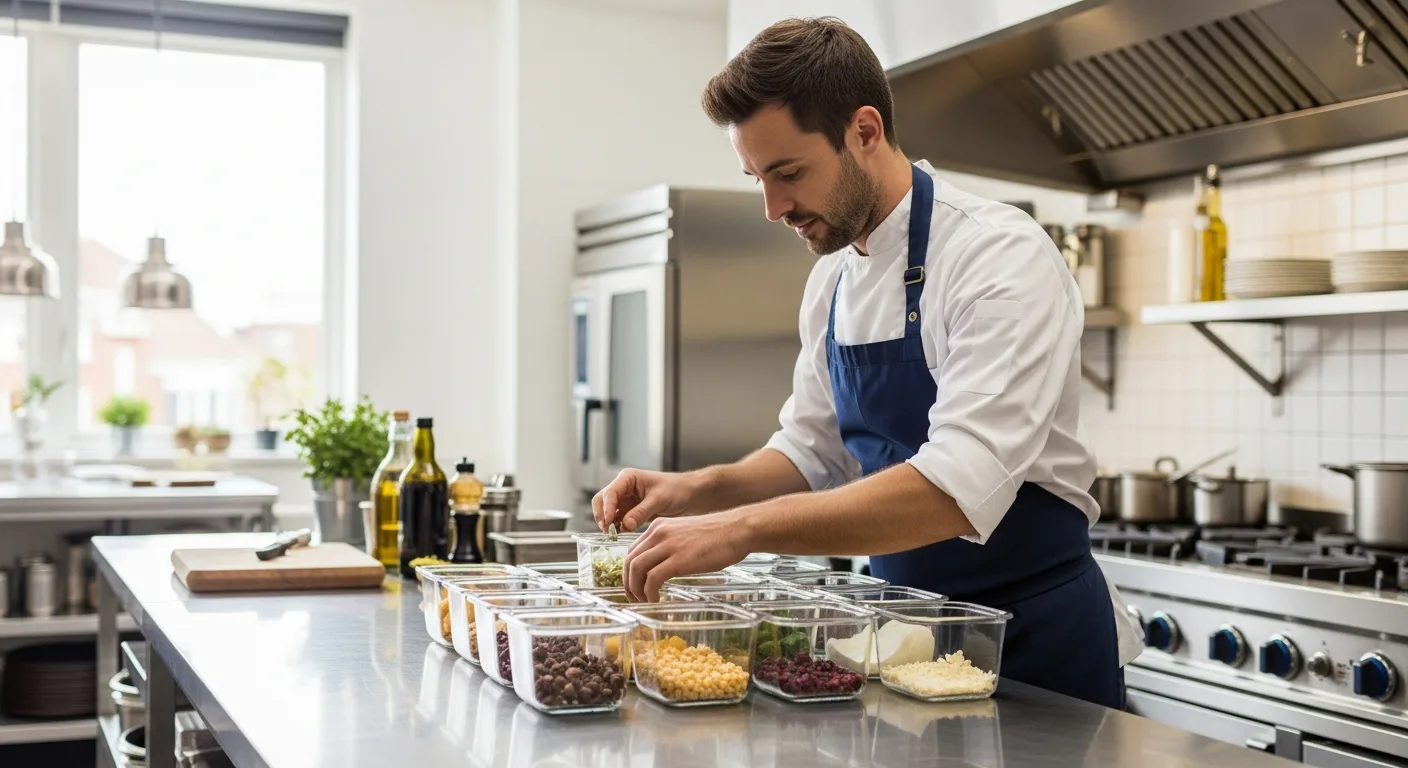
One of the biggest hurdles for any food entrepreneur is the transition from a home kitchen to a commercial operation. While a food truck business startup guide might focus on mobility and foot traffic, meal prep is all about the efficiency of your “hub.”
In the early stages, many founders utilize ghost kitchens or shared commissary spaces. This reduces overhead costs significantly compared to leasing a private storefront. He must also consider the “cold chain”—the process of keeping food at safe temperatures from the moment it is packaged until it reaches the customer’s refrigerator. Investing in high-quality insulated bags and gel packs is not optional; it is a core requirement for food safety and brand reputation.
Marketing Your Service to the Modern Man
To win in 2026, your marketing must be as clean as your ingredients. High-quality photography is the bare minimum. You need to demonstrate the transformation your service provides. Show him the time he saves, the energy he gains, and the physical results he achieves by outsourcing his nutrition to an expert.
Leverage local influencers, particularly those in the fitness or tech space. If a respected local gym owner or a prominent software engineer shares his weekly meal haul, the social proof is immediate. Additionally, ensure your website is optimized for mobile subscriptions. If he cannot manage his weekly menu from his phone in under sixty seconds, he will likely cancel his plan.
Scaling and Compliance
As the business grows, the complexity of local regulations increases. Before scaling, a founder must ensure he is fully compliant with health department permits and food handling certifications. If he is operating out of his residence, he should consult a home-based business guide to navigate zoning laws and insurance requirements specific to food production.
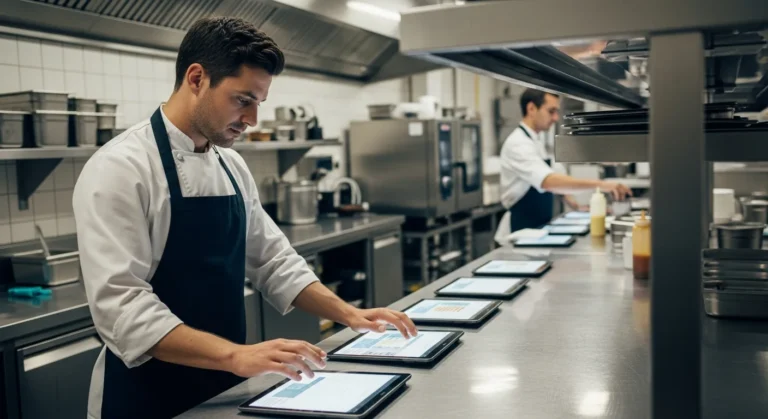
Scaling also requires automation. By 2026, successful meal prep businesses are using AI-driven software to predict ingredient needs based on subscription trends, drastically reducing food waste. He should also look into custom packaging that is both eco-friendly and durable enough for transit, as modern consumers are increasingly sensitive to plastic waste.
Frequently Asked Questions
How much capital is needed to start a meal prep business?
A lean startup can begin with $2,000 to $5,000 if using a shared commercial kitchen. This covers initial permits, basic equipment, packaging, and the first round of ingredients. Costs scale quickly if he decides to lease a private facility.
Do I need a professional chef’s license?
While a formal culinary degree isn’t always required, most jurisdictions require a Food Manager Certification. He must also operate out of a licensed commercial kitchen; cooking for sale out of a standard home kitchen is illegal in many states due to health codes.
How do I handle delivery logistics?
Many startups begin by handling deliveries themselves or hiring a local driver. As the business grows, third-party logistics providers or specialized food delivery couriers can be integrated to handle larger volumes across wider geographic areas.