Is the Ghost Kitchen Business Model Still Profitable in 2026?
The Shift from Dining Rooms to Delivery Hubs
The traditional restaurant model is under siege. High urban rents, rising labor costs, and a consumer base that prefers eating on the couch have forced entrepreneurs to rethink how they feed people. Enter the ghost kitchen business model. By stripping away the front-of-house—the tables, the decor, and the waitstaff—an owner can focus entirely on the product and the logistics of delivery.
In 2026, this isn’t just a trend; it is a survival strategy. A restaurateur no longer needs a prime corner spot in a high-traffic neighborhood. He can set up shop in an industrial park or a back alley, provided he has access to a robust delivery radius. This shift allows him to allocate his budget toward high-quality ingredients and specialized kitchen talent rather than expensive interior designers.
How the Ghost Kitchen Business Model Operates
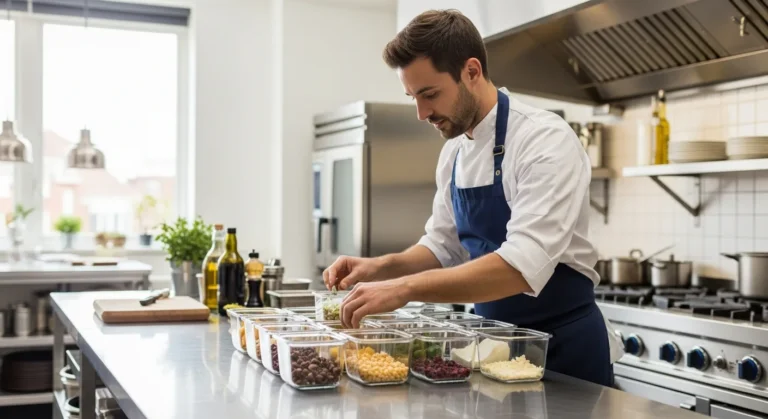
At its core, a ghost kitchen (also known as a dark or cloud kitchen) is a professional food preparation facility set up for the preparation of delivery-only meals. There is no physical space for guests to sit and eat. The entire customer journey happens through a smartphone screen.
When an entrepreneur launches his brand, he typically follows one of three paths:
- Shared Kitchens: He rents a station in a large facility where multiple brands operate simultaneously. This minimizes his initial capital expenditure.
- Dedicated Facilities: He leases his own warehouse space and builds a custom kitchen tailored to his specific menu.
- Aggregator-Owned: He operates out of a kitchen owned by a delivery platform like DoorDash or UberEats, often using their data to determine which cuisines are missing in a specific area.
If he is considering a lower-cost entry into the food world but still wants some physical presence, he might compare this to launching a mobile food unit, which offers similar flexibility but with the added benefit of face-to-face customer interaction.
The Financial Advantage: Lowering the Barrier to Entry
The most compelling reason a businessman chooses the ghost kitchen model is the drastic reduction in overhead. A traditional restaurant can cost upwards of $500,000 to open. A ghost kitchen can often be launched for less than $50,000. He saves on:
- Real Estate: Lower rent in non-premium locations.
- Labor: No need for hosts, servers, or bartenders.
- Insurance: Lower liability without public foot traffic.
- Utilities: Reduced costs without a large dining area to heat, cool, and light.
However, he must be wary of the trade-off. While he saves on rent, he often pays 20% to 30% in commissions to third-party delivery platforms. To combat this, many savvy owners are pivoting toward subscription-based meal services to build a direct relationship with their customers and bypass the middleman.
Marketing a Brand You Can’t Visit
In the ghost kitchen world, digital presence is the only presence. If a customer cannot find the brand on Instagram or a delivery app, the business does not exist. The entrepreneur must become a master of digital marketing. He needs high-quality food photography that makes a customer hungry through a screen and a packaging strategy that ensures the food arrives hot and presentable.
He must also leverage data. Ghost kitchens allow him to run multiple “virtual brands” out of the same kitchen. For example, he can sell gourmet burgers under one name and spicy chicken wings under another, using the same equipment and staff. This allows him to capture different market segments without the cost of opening a second location.
Operational Challenges to Consider
It is not all easy profits. The ghost kitchen model presents unique logistical hurdles. The owner is entirely dependent on third-party drivers. If a driver is late or mishandles the food, the brand’s reputation takes the hit, not the delivery platform. He must also manage high-pressure peak hours where orders can flood in simultaneously from five different apps.
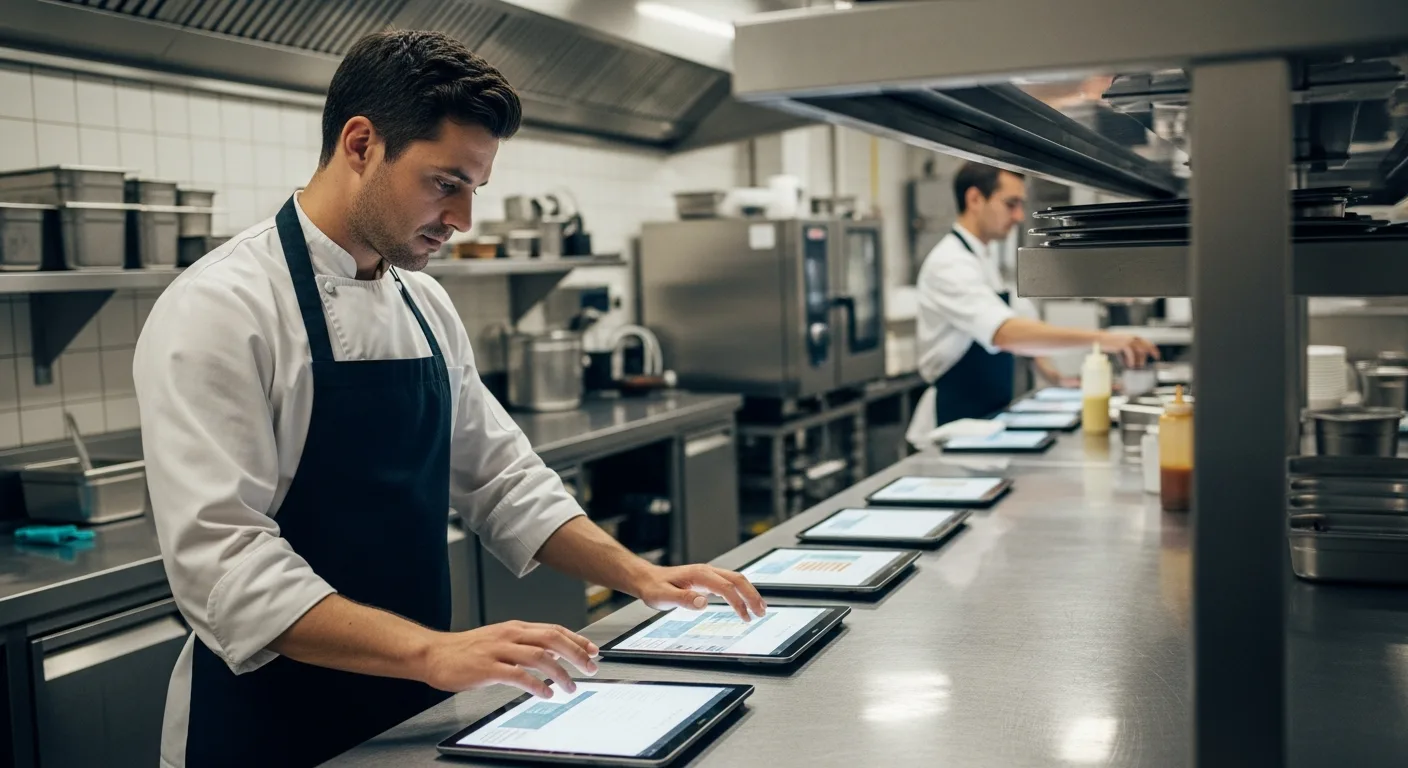
To succeed, he needs a tech-first mindset. This means integrating all delivery platforms into a single kitchen display system (KDS) to prevent errors and ensure his chefs can keep up with the pace. Efficiency is the only way he maintains his margins.
Frequently Asked Questions
What is the biggest risk of a ghost kitchen?
The biggest risk is the lack of brand loyalty. Without a physical storefront, it is harder for a customer to form a connection with the business. The owner must work twice as hard on social media and packaging to stay top-of-mind.
Do ghost kitchens need a business license?
Yes, he must obtain all the standard health permits, food handler licenses, and business registrations required for any commercial food operation. Local health departments still inspect these facilities regularly.
Can I run multiple brands from one ghost kitchen?
Absolutely. This is one of the primary advantages. An entrepreneur can test different concepts—like a taco brand and a salad brand—simultaneously to see which one performs better with his local demographic.