How to Keep Your Remote Team Connected in 2026?
The Evolution of Remote Connection in 2026
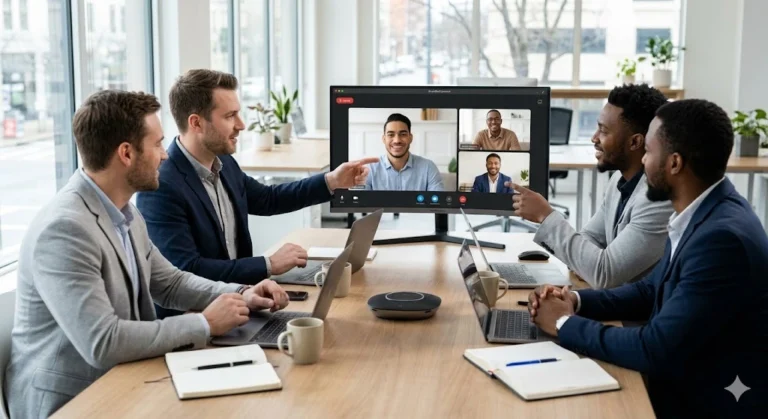
Remote work has moved far beyond the experimental phase. In 2026, a leader knows that a simple Zoom happy hour no longer cuts it. His team expects engagement that feels meaningful, tech-forward, and respectful of their time. The challenge for any manager is to foster a sense of brotherhood and shared purpose without the physical proximity of a traditional office.
Building a high-performing remote culture requires intentionality. He must look for activities that break the monotony of the screen and encourage genuine interaction. Whether he is managing a small startup or a global department, the goal remains the same: ensuring every man on his team feels like a vital part of the mission.
Immersive Virtual Reality (VR) Team Challenges
By 2026, VR hardware has become a standard tool for the modern professional. Instead of staring at a 2D grid of faces, a manager can transport his entire team into a shared digital space. These environments allow for spatial audio and physical presence, which are critical for building rapport.
- Virtual Escape Rooms: These require high-level problem-solving and communication. He can watch how his team handles pressure as they work together to solve complex puzzles in a 360-degree environment.
- Collaborative 3D Modeling: For technical teams, working together to build a virtual structure or product prototype can be both a bonding exercise and a productive brainstorming session.
- VR Sports Tournaments: A bit of healthy competition in a virtual boxing ring or on a digital golf course can relieve stress and build camaraderie.
Asynchronous Team Building for Global Schedules
One of the biggest hurdles a leader faces is the time zone gap. Forcing a team member to join a call at 3:00 AM is a quick way to kill morale. Asynchronous activities allow him to build culture without sacrificing his team’s sleep or personal life.
He might implement a “Video Log Challenge” where each man records a two-minute update on a non-work hobby once a week. This allows his colleagues to get to know him on a personal level at their own pace. Another effective method is the use of collaborative digital whiteboards where the team can contribute to a long-term creative project or a shared “bucket list” over several days.
Gamified Productivity Sprints
Engagement often drops when work feels like an endless cycle of tickets and emails. A smart leader uses gamification to turn routine tasks into a team-based sport. By setting up short, high-intensity sprints, he can boost output while strengthening team bonds.
During these sprints, it is vital to focus on high-impact work. A manager must help his team differentiate between genuine business results and mere busyness. When the team wins a sprint, he should reward them with tangible benefits, such as a Friday afternoon off or a digital gift card for a premium service.
Skill-Based Collaborative Workshops
Men often bond best when they are working toward a common goal or learning a new skill. Instead of a generic social hour, a leader can organize workshops that provide real value to his team’s professional growth. This could include:
- AI Prompt Engineering Contests: Seeing who can generate the best solution to a business problem using the latest AI tools.
- Public Speaking Masterclasses: Helping each man refine his pitch and presence in virtual meetings.
- Financial Literacy Seminars: Bringing in an expert to discuss wealth management and investment strategies.
Optimizing the Remote Environment
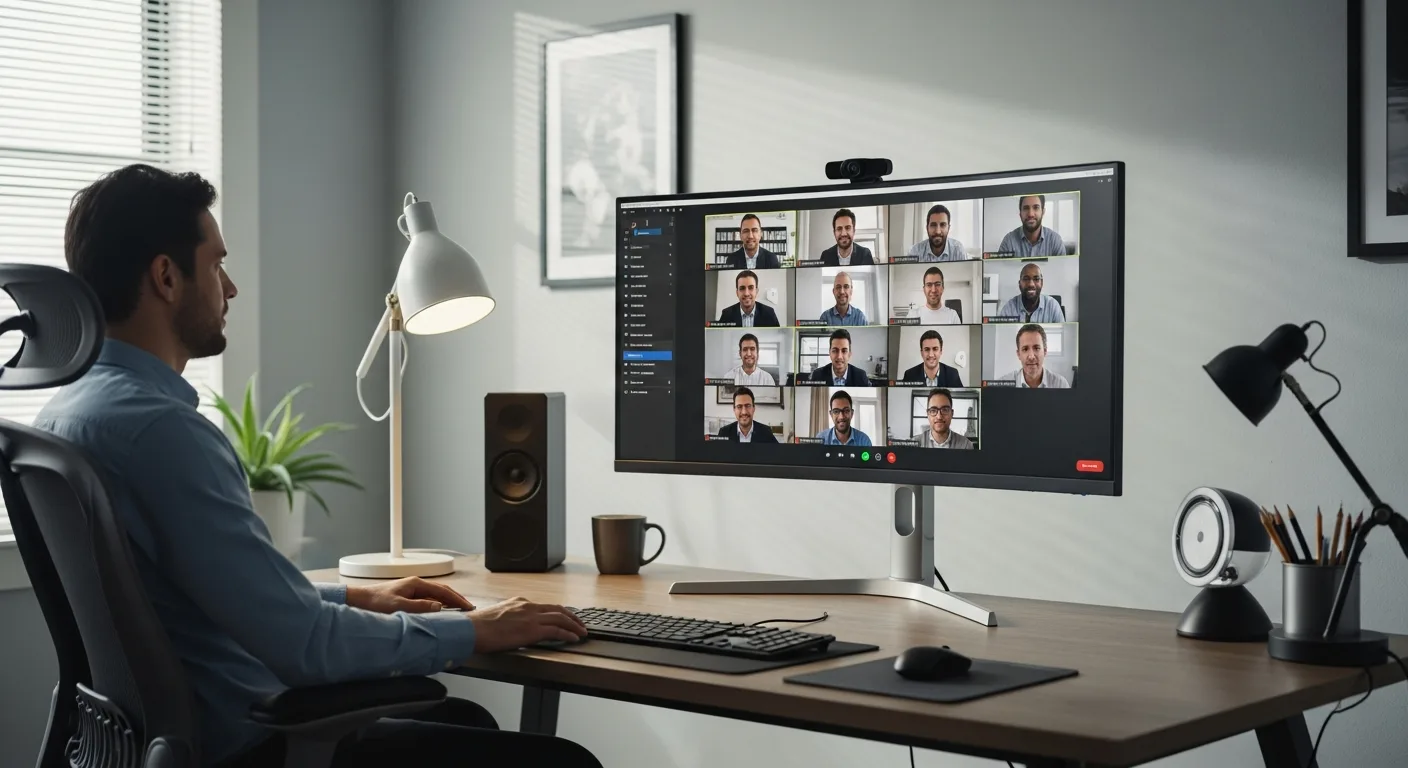
A leader’s responsibility extends to the physical well-being of his team. If a man is working in a dark, cramped corner, his performance and mood will inevitably suffer. Encouraging the team to invest in their workspace is a form of team building that shows he cares about their long-term success.
He can lead by example, ensuring his own setup is top-tier. For instance, he might share tips on achieving optimal home office lighting to reduce eye strain and look more professional on camera. Providing a stipend for ergonomic furniture or high-quality peripherals is a powerful way to demonstrate his commitment to his team’s comfort.
The Power of Micro-Interactions
Not every activity needs to be a grand event. In 2026, the most successful remote cultures are built on small, daily interactions. A manager can start a “Wins” channel in Slack where he publicly recognizes the achievements of his men. He can also implement “Coffee Roulette,” where an app randomly pairs two team members for a 10-minute casual chat once a week.
These small touchpoints prevent the feeling of isolation. When a man knows his leader and his peers are paying attention to his hard work, he is much more likely to stay engaged and loyal to the company.
Frequently Asked Questions
What are the best remote team building activities for 2026?
The most effective activities in 2026 involve immersive VR experiences, asynchronous challenges that respect time zones, and skill-based workshops that offer professional value to the team.
How do you build trust in a remote team?
Trust is built through transparency, consistent communication, and reliability. A leader must set clear expectations and then give his men the autonomy to meet those goals without micromanagement.
Can VR really improve team connection?
Yes, VR provides a sense of “presence” that traditional video calls lack. It allows for natural body language and spatial awareness, making digital interactions feel much more like face-to-face meetings.
How often should remote team building occur?
A mix is best. Small micro-interactions should happen daily, while larger, more immersive activities are most effective when held once a month or once a quarter to avoid meeting fatigue.