Are Double Sided Business Cards Worth the Extra Cost in 2026?
Maximizing the Real Estate of Your Pocket Billboard
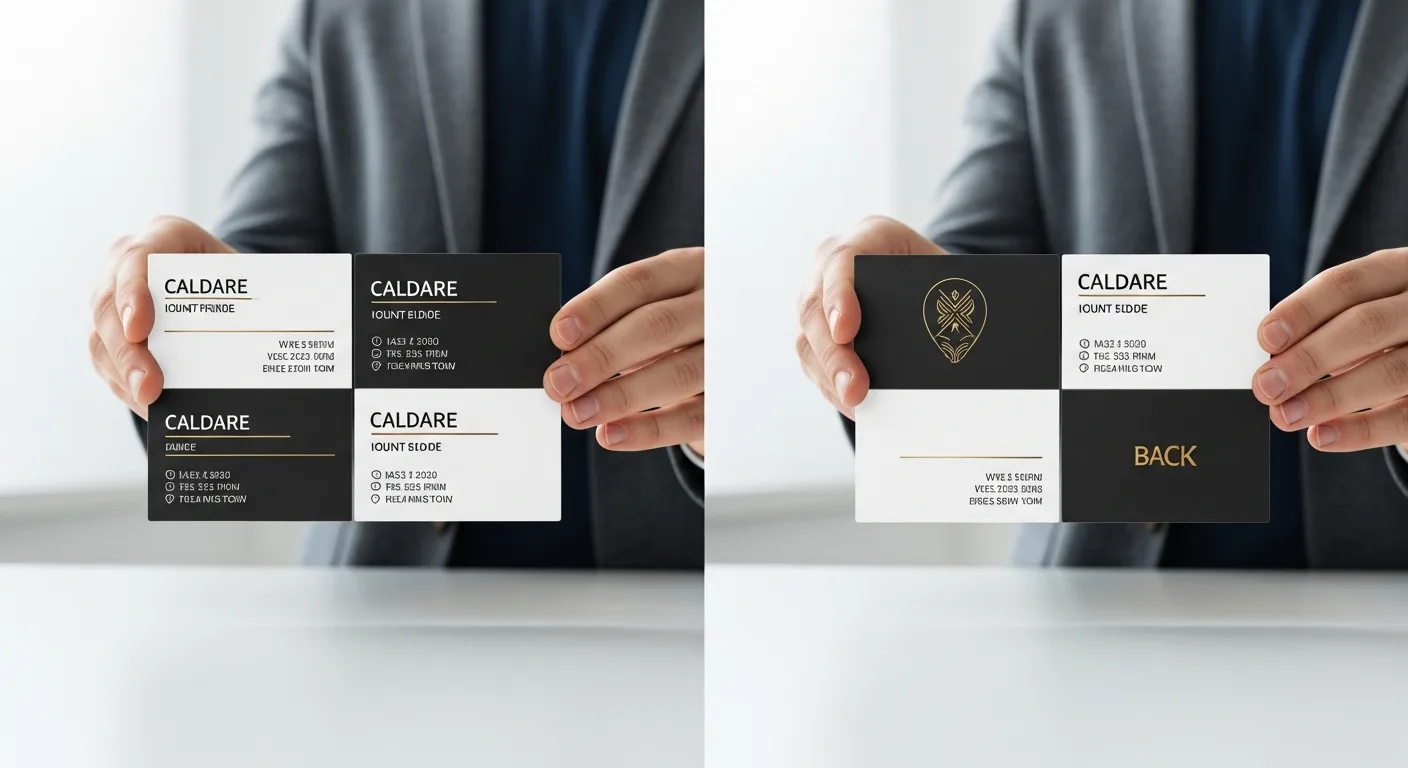
A single-sided business card is a missed opportunity. When a professional hands over a card that is blank on the back, he is essentially paying for a billboard and leaving half of it white. In 2026, the physical card remains a vital handshake follow-up, but its role has evolved from a simple contact directory to a multi-functional tool. Double sided business cards allow a man to maintain a clean, minimalist aesthetic on the front while hiding the heavy lifting—like QR codes or appointment slots—on the reverse.
Think of the front as the first impression. It should be crisp, uncluttered, and reflect the same level of detail he puts into his business professional attire. The back is where the conversion happens. By utilizing both sides, he ensures that his card doesn’t just sit in a wallet; it provides a reason for the recipient to flip it over and take action.
What to Put on the Back: High-Impact Ideas
The biggest mistake a professional can make is simply repeating the front information on the back. This is redundant and lazy. Instead, he should use the secondary side to add value or solve a problem for his client. Here are the most effective uses for that extra space:
- Dynamic QR Codes: Instead of a static link, use a QR code that leads to a personalized video greeting, a digital portfolio, or a direct LinkedIn connection request.
- Appointment Reminders: For service-based professionals, leaving a dedicated space for “Your Next Appointment” turns the card into a functional tool the client will keep on his desk.
- Social Proof or Taglines: A single, powerful testimonial or a concise list of core services can reinforce authority without cluttering the primary design.
- The “Referral” Incentive: Mentioning a small discount or a referral bonus on the back can turn a cold lead into a warm advocate.
Design Principles for the Modern Professional
Balance is everything. If the front of the card is dark with gold foil, the back should complement that theme without becoming a chaotic mess of text. He must prioritize readability and white space. A common pitfall is trying to cram a full resume onto the back. This looks desperate and unprofessional.
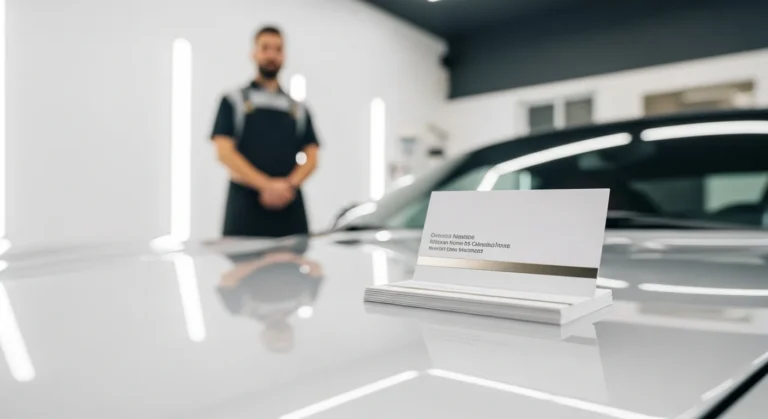
He should also consider the tactile experience. Using a heavier cardstock (16pt or 18pt) makes the card feel substantial. If he is in a rugged industry, such as automotive services, he might look into a car detailing business cards strategy that utilizes matte finishes or spot UV to resist smudges and fingerprints. The goal is to create an object that feels too high-quality to throw away.
The Hybrid Card: Bridging Physical and Digital
In 2026, the line between physical and digital networking has blurred. Double sided business cards are the perfect bridge. By placing an NFC chip inside the card or a prominent QR code on the back, he can trigger an immediate action on the recipient’s smartphone. This could be anything from adding his contact details directly to their phone book to launching a specific landing page.
This hybrid approach respects the traditional ritual of exchanging cards while acknowledging the speed of modern business. It shows that he is forward-thinking and values the recipient’s time by making the follow-up process frictionless.
Cost vs. ROI: Is the Second Side Justified?
While printing on both sides typically costs 20% to 30% more than single-sided printing, the return on investment is significantly higher. A single-sided card is often viewed as a commodity—cheap and disposable. A double-sided card, especially one with a thoughtful layout, is viewed as a marketing asset. For the professional who is serious about his brand, the marginal cost of the second side is a small price to pay for doubling his messaging space and increasing the likelihood of a callback.
Frequently Asked Questions
Does a double-sided card look too cluttered?
Only if it is designed poorly. By keeping the front strictly for name and title and moving the “utility” items (like social media handles or QR codes) to the back, he actually makes the card look cleaner and more sophisticated.
What paper weight is best for double-sided printing?
He should aim for at least 14pt or 16pt cardstock. Thinner paper can sometimes allow the ink from one side to show through to the other, which looks cheap and unprofessional.
Should I put my photo on the back of the card?
In certain industries like real estate or high-end consulting, a professional headshot on the back can help with name-face recognition. However, it must be a high-resolution, professional photo; a low-quality selfie will ruin the entire brand image.