Are EEG Tech Jobs Worth It in 2026? Salary, Certification, and Career Growth
The Rising Demand for Neurodiagnostic Technologists
The human brain generates enough electricity to power a small lightbulb, and capturing those signals is the core mission of an EEG technician. As we move through 2026, EEG tech jobs have evolved from simple hospital roles into high-tech positions at the intersection of neurology and data science. With an aging population and a surge in sleep disorder awareness, the need for skilled men to operate these sensitive instruments has never been higher.
An Electroencephalographic (EEG) Technologist doesn’t just push buttons. He is responsible for monitoring brain activity, identifying abnormalities like seizures or tumors, and ensuring the integrity of the data collected. These specialized roles often rank among the best paying jobs in technology within the clinical sector, offering a stable career path for those who prefer technical precision over traditional office work.
What Does a Day in the Life Look Like?
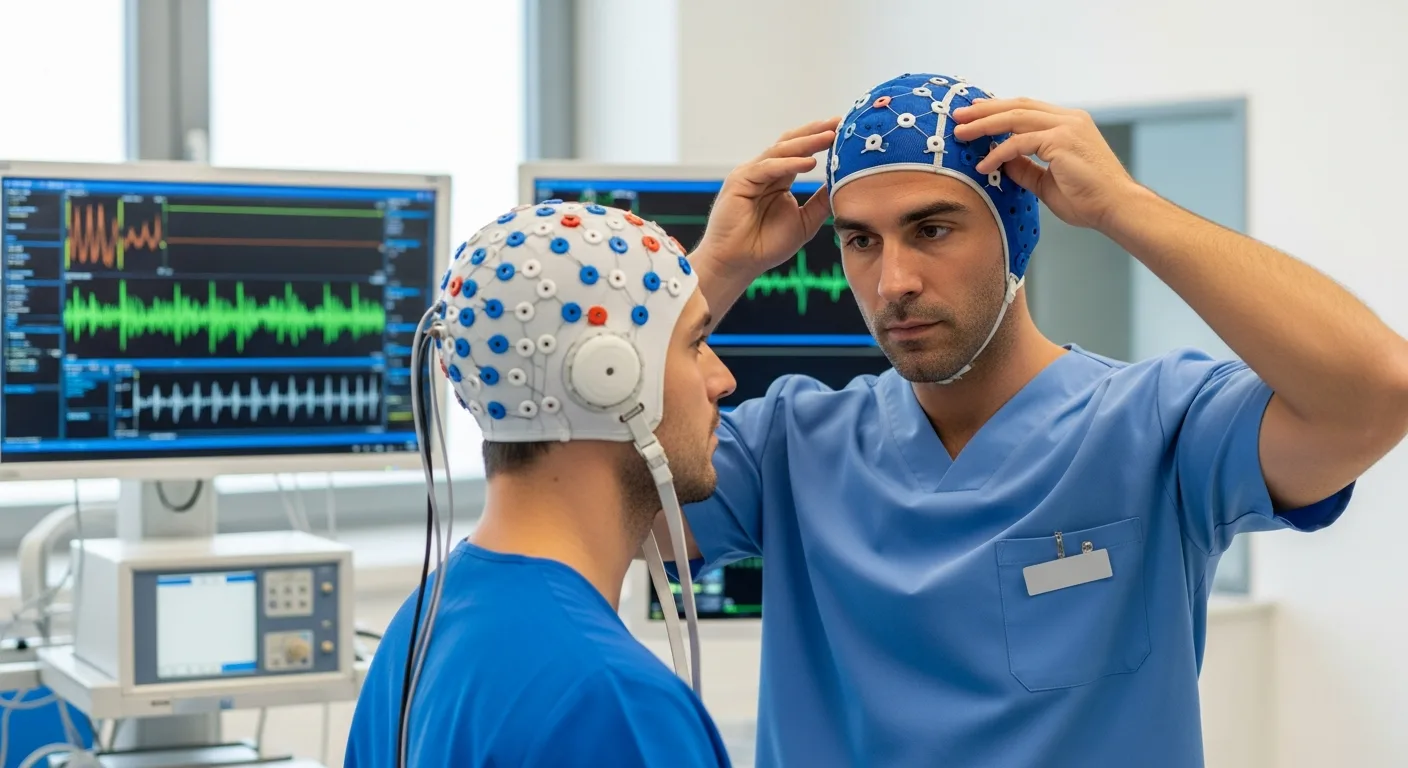
A technician starts his shift by reviewing patient histories and preparing the equipment. He must be meticulous in electrode placement, following the International 10-20 system to ensure every lead is positioned perfectly on the patient’s scalp. A single misplaced sensor can lead to artifacts—false signals that could result in a misdiagnosis.
- Patient Preparation: He explains the procedure to the patient to reduce anxiety and ensures the scalp is clean for optimal conductivity.
- Data Monitoring: During the recording, he watches the waveforms in real-time, noting any external factors like eye blinks or muscle movements.
- Emergency Response: If a patient has a seizure during the test, the tech must remain calm, ensure the patient’s safety, and document the event’s electrical onset.
Education and Certification Requirements for 2026
You cannot simply walk into a neurology lab and start recording brain waves. The barrier to entry is technical and requires specific training. Most employers require at least an Associate’s degree in Electroneurodiagnostic (END) technology. Many professionals begin their journey through a business trade school career path that offers accelerated neurodiagnostic programs, allowing them to enter the workforce in under two years.
The gold standard for the industry is the R. EEG T. (Registered EEG Technologist) credential provided by ABRET. To earn this, a candidate must complete a CAAHEP-accredited program and pass a rigorous national exam. In 2026, having additional certifications in Long-Term Monitoring (CLTM) or Nerve Conduction Studies (CNCT) significantly boosts a man’s marketability and salary floor.
Salary Expectations and Job Outlook
The financial rewards for EEG tech jobs are substantial, especially for those willing to work in specialized environments. While entry-level positions might start around $55,000, an experienced lead technologist in a major metropolitan hospital can easily command upwards of $90,000 per year.
Geographic location plays a massive role. Techs in California, New York, and Massachusetts typically see the highest pay scales, though the cost of living in these hubs is a factor he must consider. Beyond hospitals, the private sector is booming. Mobile EEG companies and private sleep clinics are aggressively recruiting, often offering sign-on bonuses and flexible scheduling to attract top talent.
Key Skills for the Modern EEG Technician
Technical proficiency is only half the battle. To excel, a technician needs a specific blend of hard and soft skills:
Analytical Thinking: He must be able to differentiate between a legitimate brain wave abnormality and electronic interference from a nearby cell phone or medical monitor.
Manual Dexterity: Handling tiny electrodes and applying conductive paste requires steady hands and patience.
Technical Troubleshooting: If a channel goes flat, he needs to know if it’s a hardware failure, a software glitch, or a loose connection on the patient.
Where to Find EEG Tech Jobs
If you are ready to apply, focus your search on Level IV Epilepsy Centers. These facilities handle the most complex cases and require the highest level of technical expertise. Additionally, research universities often hire EEG techs for clinical trials involving brain-computer interfaces (BCI), a field that is exploding in 2026.
Don’t overlook travel tech opportunities. Much like travel nursing, travel EEG tech roles allow a man to move between cities every 13 weeks, often with housing stipends and significantly higher hourly rates than permanent staff positions.
Frequently Asked Questions
How long does it take to become an EEG tech?
Typically, it takes two years to complete an Associate’s degree program. However, if you already have a background in science, some certificate programs can be completed in 12 to 18 months.
Is the EEG tech exam difficult?
The ABRET exam is known for being challenging. It covers neuroanatomy, physiology, instrumentation, and pattern recognition. Thorough preparation and clinical experience are essential for passing on the first attempt.
Can I work from home as an EEG tech?
While the physical setup of electrodes must be done in person, there is a growing field for remote EEG monitoring. In these roles, a senior tech reviews live data feeds from his home office to alert on-site staff of any critical changes in a patient’s status.
What is the difference between an EEG tech and a Neurologist?
An EEG tech is the specialist who performs the test and ensures the data is clean. The Neurologist is the physician who interprets that data to make a formal diagnosis and prescribe treatment.