What Defines Modern Business Professional Attire for Men?
The Foundation: The Two-Piece Suit
In the high-stakes world of corporate leadership, the two-piece suit remains the cornerstone of a man’s wardrobe. In 2026, the silhouette has leaned toward a more refined, tailored fit that emphasizes the natural frame of the wearer. He should prioritize high-quality wool blends that offer both breathability and a sharp drape. Colors like charcoal grey, navy blue, and deep black are non-negotiable staples for any executive.
When he selects a suit, the fit at the shoulders and the length of the trousers are paramount. A break that just grazes the top of the shoe provides a clean, modern look that signals attention to detail. Double-breasted options have seen a resurgence for those in senior positions, offering a more commanding presence during board meetings and high-profile negotiations.
The Essential Dress Shirt
Underneath the jacket, the dress shirt serves as the secondary layer of his professional identity. A crisp, white cotton shirt with a stiff collar is the gold standard. Light blue and subtle micro-patterns are acceptable alternatives, provided they do not distract from the overall ensemble. He must ensure his shirts are professionally laundered and pressed to maintain a sharp, wrinkle-free appearance throughout the workday.
While modern offices have become more relaxed, business professional standards remain strict. A man might occasionally wonder if polos are considered business casual or professional, but in a true business professional setting, the collared dress shirt is the only appropriate choice. French cuffs, paired with understated cufflinks, add a layer of sophistication that distinguishes a leader from his peers.
Footwear: The Finishing Touch
Shoes are often the first thing noticed and the last thing considered. For business professional attire, Oxfords and Derbies in black or dark brown leather are the primary choices. The leather should be polished to a high shine, reflecting his commitment to personal maintenance. He should avoid loafers or slip-ons unless the environment explicitly allows for a slightly less formal interpretation of the code.
Matching the belt to the shoes is a fundamental rule of men’s styling. A leather belt with a simple, silver or gold-toned buckle completes the look. He should also pay close attention to his choice of socks; they should be calf-length and match the color of his trousers to create a seamless visual line from the waist to the floor.
Accessories and Grooming Standards
The tie is the centerpiece of the business professional look. A silk tie in a solid color or a conservative pattern, such as a rep stripe or small pindot, adds the necessary formality. The knot should be appropriate for the collar type—a Windsor knot for wide spread collars and a four-in-hand for narrower ones. He should ensure the tip of his tie reaches the center of his belt buckle.
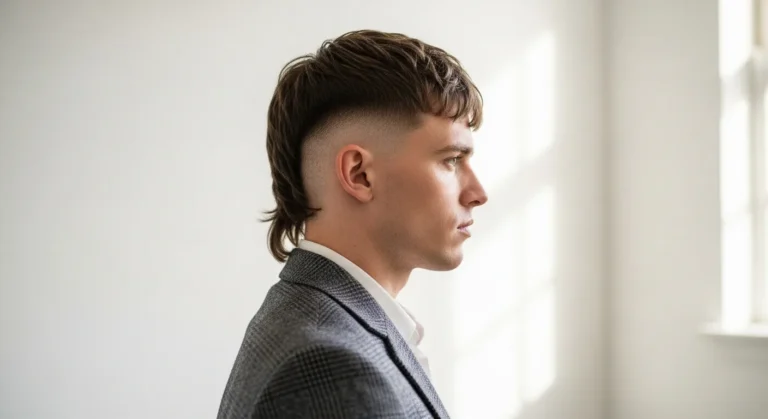
Grooming is just as essential as the clothing itself. A well-maintained haircut, clean-shaven face, or a neatly trimmed beard are mandatory. Even when he is exploring more creative looks, such as those found in our guide on balancing professional fronts with personal style, he must never compromise on the cleanliness and precision of his appearance in a corporate setting.
Distinguishing Professional from Casual
It is vital for a man to understand the hierarchy of dress codes. Business professional is the most formal tier below black tie. It is reserved for client meetings, court appearances, and daily operations in traditional industries like finance, law, and high-level consulting. Unlike business casual, which might allow for chinos or sweaters, professional attire demands the full suit and tie. By adhering to these standards, he projects an image of competence, reliability, and respect for his organization.
Frequently Asked Questions
What are the best colors for a professional suit?
The most versatile and respected colors for men are navy blue and charcoal grey. Black is also acceptable, though often reserved for more formal occasions or specific industries like law and funeral services.
Is a tie always required for business professional attire?
Yes, in a traditional business professional environment, a tie is a mandatory component. Removing the tie transitions the outfit into the category of business casual or “smart” professional.
Can a man wear a watch with professional attire?
Absolutely. A dress watch with a leather strap or a metal link bracelet is a classic accessory. He should avoid bulky sports watches or bright digital displays that clash with the elegance of a suit.
How often should a professional suit be dry cleaned?
A suit should not be dry cleaned after every wear, as the chemicals can damage the wool fibers. Instead, he should brush the suit after each use and hang it on a cedar hanger, dry cleaning only when it becomes visibly soiled or develops an odor.