How to Land High-Paying Sleep Tech Jobs in 2026?
The Explosion of the Sleep Economy in 2026
Sleep is no longer just a biological necessity; it is a multi-billion dollar industry. In 2026, the demand for sleep tech jobs has skyrocketed as men prioritize cognitive performance and physical recovery. We have moved far beyond basic step counters. Today, the market demands clinical-grade data from the comfort of a bedroom, creating a massive vacuum for skilled professionals who understand both the hardware and the biological mechanics of rest.
Whether a professional is coming from a medical background or a pure software engineering track, the opportunities are vast. Companies are looking for experts who can bridge the gap between polysomnography and consumer electronics. This sector is currently ranking among the best paying jobs in technology today, especially for those who can navigate the complexities of FDA regulations and AI-driven diagnostics.
Core Career Paths in Sleep Technology
The sleep tech landscape is divided into three primary pillars: clinical application, hardware engineering, and data science. Each requires a specific set of skills, but all share the common goal of optimizing the human circadian rhythm.
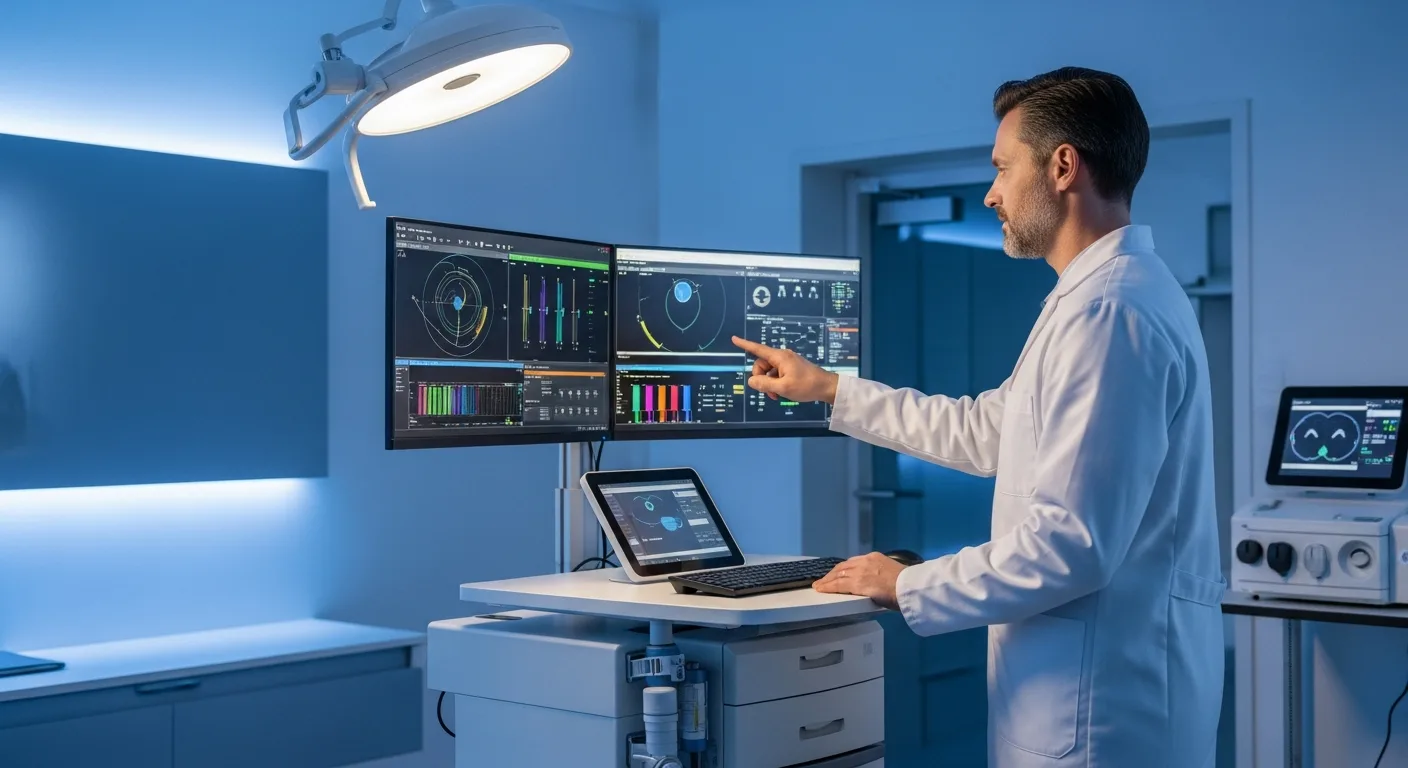
- Sleep Systems Engineer: He focuses on the physical sensors that track heart rate variability (HRV), respiratory rate, and movement. This role requires deep knowledge of signal processing and low-power circuit design.
- AI Sleep Researcher: This professional builds the algorithms that interpret raw data. He is responsible for moving past simple “sleep scores” to provide actionable insights that help a user adjust his environment or habits.
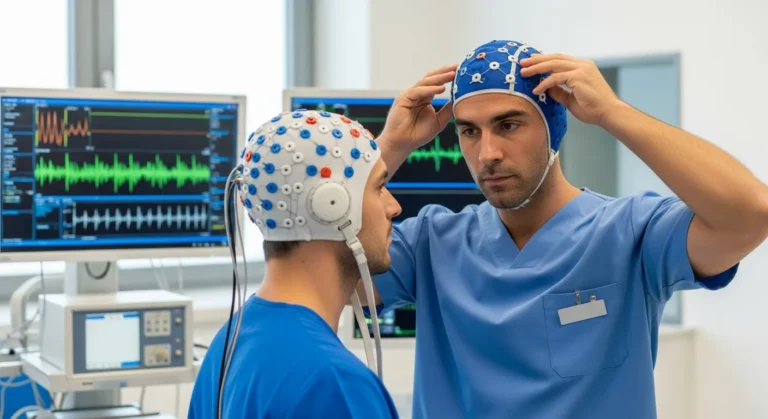
- Clinical Sleep Technologist (RPSGT): Working in labs or for high-end concierge services, he monitors patients directly, identifying disorders like sleep apnea or insomnia using advanced diagnostic equipment.
Essential Skills for the Modern Sleep Professional
To succeed in this niche, a candidate must possess a hybrid skill set. If he is on the technical side, proficiency in Python, C++, and machine learning frameworks is non-negotiable. The ability to handle massive datasets generated by millions of wearable devices is what separates a junior developer from a lead architect.
For those on the clinical side, obtaining the Registered Polysomnographic Technologist (RPSGT) credential remains the gold standard. However, in 2026, he must also be tech-savvy enough to troubleshoot remote monitoring systems and cloud-based patient portals. Understanding the nuances of how light exposure and temperature affect a man’s testosterone and cortisol levels is also becoming a key differentiator for high-level sleep coaches and consultants.
Salary Expectations and Market Growth
The financial rewards in this sector are significant. A senior hardware engineer at a leading wearable firm can easily command a base salary exceeding $180,000, often supplemented with aggressive equity packages. Even entry-level sleep technologists are seeing higher starting pay than traditional medical assistants due to the specialized nature of the equipment they operate.
As the industry matures, we are seeing a shift toward preventative health. This means companies are hiring more aggressively for long-term roles rather than short-term project contracts. Staying ahead of these trends is essential for anyone looking to master his career in tech during this transformative year.
How to Break Into the Sleep Tech Industry
If he is looking to pivot his career, he should start by identifying his core strength. A software developer doesn’t need to go back to medical school; he needs to apply his existing knowledge to biometric data processing. Building a portfolio that showcases work with sensor APIs or health-tracking datasets is a powerful way to get noticed by recruiters at companies like Oura, Whoop, or Eight Sleep.
Networking within the Sleep Research Society or attending specialized health-tech summits can also provide a foot in the door. The community is relatively tight-knit, and a recommendation from a peer often carries more weight than a standard LinkedIn application. He should focus on demonstrating a genuine interest in the science of human performance, as this passion is what drives innovation in the sleep space.
Frequently Asked Questions
What qualifications do I need for a sleep tech job?
For clinical roles, an RPSGT certification is usually required. For engineering or data roles, a degree in Computer Science, Electrical Engineering, or Data Science, combined with experience in health-tech or signal processing, is preferred.
Are sleep tech jobs in high demand?
Yes, the industry is growing at an annual rate of over 12%. As more men realize the link between sleep and professional productivity, the demand for better tracking and intervention technology continues to rise.
Can I work remotely in sleep technology?
Software and data science roles in sleep tech are frequently remote-friendly. However, clinical sleep technologists and hardware engineers often need to be on-site in labs or manufacturing facilities.
What is the average salary for a sleep technologist in 2026?
While it varies by location, a certified sleep technologist can expect to earn between $65,000 and $95,000, while specialized engineers in the same field can earn well over $150,000.