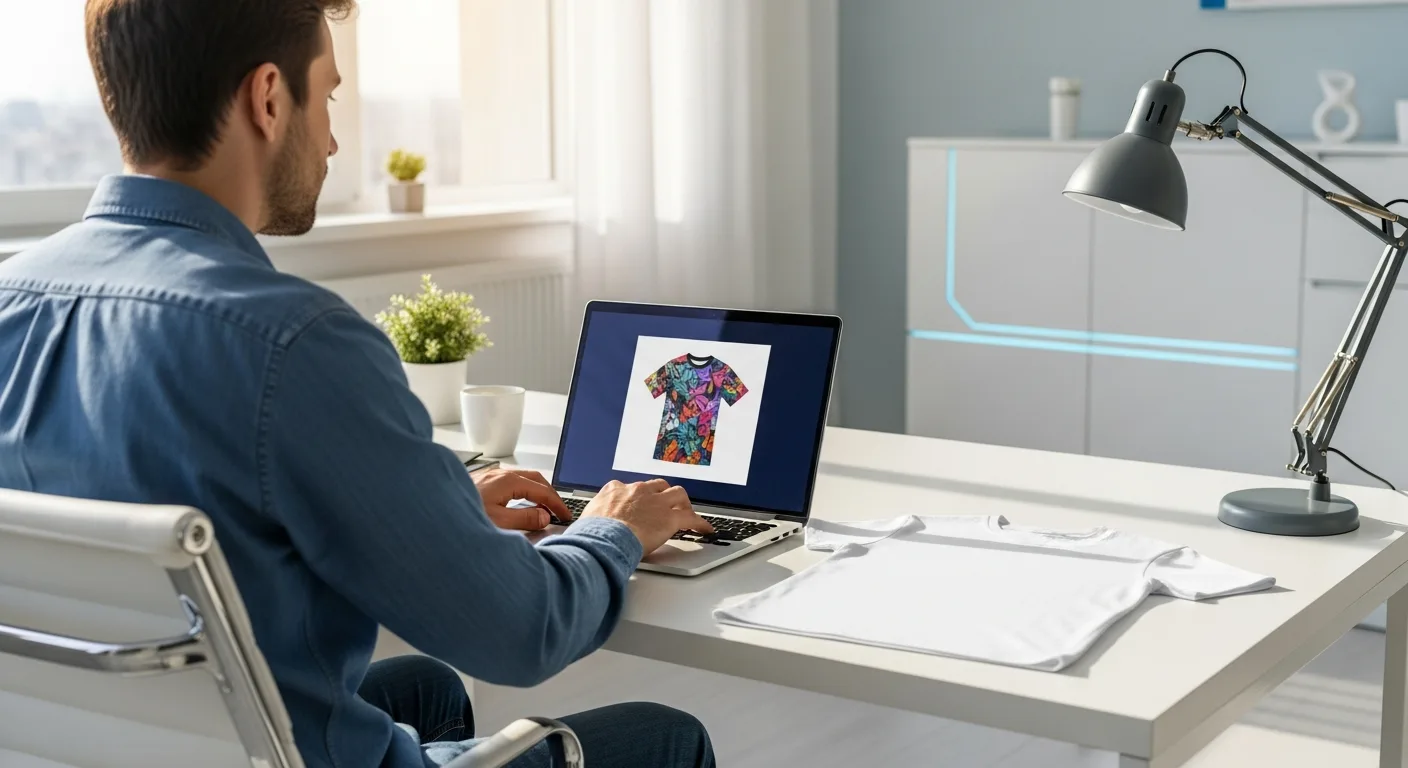
How to Launch a Print on Demand Business Setup in 2026?
The Reality of Print on Demand in 2026
Launching a print on demand business setup in 2026 is no longer about just slapping a logo on a basic t-shirt. The market has matured, and customers now demand high-quality fabrics, unique designs, and lightning-fast shipping. For an entrepreneur, the appeal remains the same: he can sell custom products without ever touching inventory or managing a warehouse. He acts as the creative director and marketer, while a third-party supplier handles the heavy lifting of production and logistics.
Success in this space requires a strategic approach to branding and a deep understanding of his target audience. For those looking for more ecommerce business ideas for beginners, POD remains a top contender because it allows him to test product concepts with zero upfront manufacturing costs. If a design doesn’t sell, he simply removes it from his store and tries something else.
Identifying a High-Profit Niche
The biggest mistake a man can make is trying to sell to everyone. A general store rarely survives in the competitive landscape of 2026. Instead, he must find a specific subculture or hobby where passion drives purchasing decisions. This could be anything from high-performance athletic gear for marathon runners to eco-friendly office accessories for remote professionals.
Analyzing Market Demand
He should use tools like Google Trends, Pinterest Predicts, and specialized AI market research software to see what people are searching for. He needs to look for “evergreen” niches—topics that stay relevant year-round—while also keeping an eye on seasonal spikes. Once he identifies a niche, he should study his competitors to see what they are missing. Can he offer better designs? A more compelling brand story? Faster shipping times?
Selecting the Right Print on Demand Partners
His choice of supplier will dictate his profit margins and customer satisfaction. In 2026, the industry has consolidated, but several key players still dominate. He needs to evaluate them based on their product catalog, integration capabilities, and fulfillment centers’ locations.
- Printful: Known for high-quality printing and a massive global fulfillment network. Ideal for the entrepreneur who prioritizes brand reputation.
- Printify: Offers a wider range of suppliers, allowing him to shop around for the best prices and shipping speeds.
- Gelato: Focuses on local production to reduce carbon footprints and speed up delivery times across different continents.
If he focuses on corporate clients or high-end apparel, he might explore custom business shirts for professional branding to increase his average order value and tap into the B2B market.
Designing Products That Stand Out
Design is the heartbeat of a print on demand business setup. He doesn’t need to be a master illustrator himself, but he must have a keen eye for aesthetics. In 2026, generative AI tools have made it easier than ever to create high-resolution graphics, but he must ensure his designs are original and do not infringe on any trademarks.
Key design principles for 2026:
- Minimalism: Clean lines and simple typography often outperform cluttered graphics.
- Personalization: Allowing a customer to add his own name or a specific date to a product significantly increases conversion rates.
- Texture and Detail: With improved printing technology like DTG (Direct to Garment) and embroidery, he can experiment with intricate patterns that weren’t possible a few years ago.
Building and Optimizing the Online Store
Once the products are ready, he needs a place to sell them. Shopify remains the gold standard for ease of use and integration, but platforms like WooCommerce or even marketplaces like Etsy and Amazon are viable options depending on his strategy. His store must be optimized for mobile users, as the majority of ecommerce transactions now happen on smartphones.
He should focus on high-quality product mockups. Instead of using the generic images provided by the POD supplier, he should use lifestyle mockups that show his products being used in real-world settings. This helps the customer visualize the item in his own life, building trust and reducing the likelihood of a return.
Marketing and Scaling the Operation
A store with no traffic is just a hobby. To turn his print on demand business setup into a legitimate income stream, he must master digital marketing. This involves a mix of organic social media growth, influencer partnerships, and paid advertising.
Effective marketing channels:
- Short-form Video: Creating engaging clips on platforms like TikTok or YouTube Shorts showing the design process or product unboxings.
- SEO: Optimizing product descriptions and blog posts to rank for specific long-tail keywords related to his niche.
- Email Marketing: Building a list allows him to re-engage past customers with new product launches and exclusive discounts, increasing the lifetime value of each buyer.
Frequently Asked Questions
How much money do I need to start a POD business?
Technically, he can start with almost zero dollars if he uses free design tools and organic social media. However, a budget of $200–$500 is recommended for store subscriptions, sample orders, and initial advertising.
Is print on demand still profitable in 2026?
Yes, but the margins are tighter. He must focus on high-quality products and unique branding rather than competing on price alone. Niche specialization is the key to maintaining healthy profits.
Do I have to handle shipping and returns?
The POD supplier handles the shipping. For returns, he usually has to manage the customer service aspect. Most entrepreneurs have returns sent back to their own address or a dedicated PO box to inspect the quality before deciding how to proceed.