Which Medical Work From Home Jobs Pay the Best in 2026?
The Shift Toward Remote Healthcare Careers
The traditional image of a healthcare professional—scrubs, stethoscopes, and long hospital corridors—is undergoing a massive transformation. In 2026, a significant portion of the medical workforce has traded the commute for a home office. Whether he is a seasoned clinician looking for a better work-life balance or a specialist in administrative data, the opportunities for medical work from home jobs have never been more diverse or lucrative.
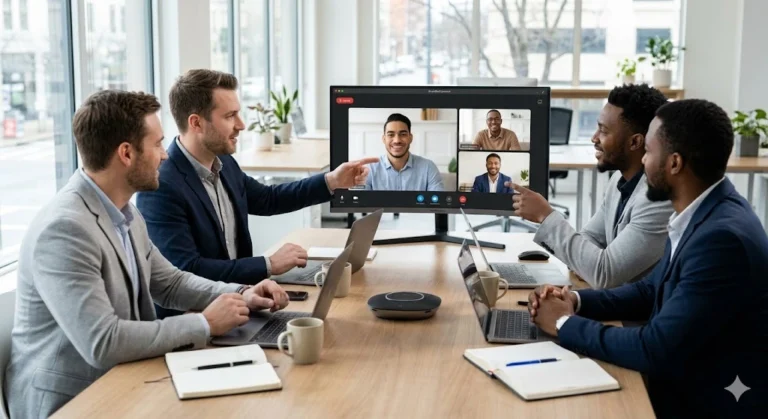
This shift isn’t just about convenience; it is about efficiency. Hospitals and private practices are outsourcing non-clinical and even some clinical functions to remote experts to reduce overhead. For the professional, this means he can manage patient records, provide consultation, or oversee clinical trials from the comfort of his own space.
Top-Paying Remote Medical Roles
Not all remote medical positions are created equal. Some require years of specialized schooling, while others focus on technical certifications. Here are the leading roles currently dominating the market:
- Medical Reviewer: Often held by physicians or senior nurses, this role involves reviewing insurance claims and medical records to ensure treatments are necessary and meet clinical guidelines.
- Telehealth Physician: With the expansion of high-speed connectivity, a doctor can now diagnose and treat patients via video. He can maintain a full patient load without ever stepping into a physical clinic.
- Clinical Research Coordinator: These professionals manage the data and regulatory compliance of clinical trials. Much of this work involves meticulous documentation that can be handled remotely.
- Medical Coder and Biller: A staple of the remote medical world, these specialists translate healthcare services into standardized codes for insurance reimbursement.
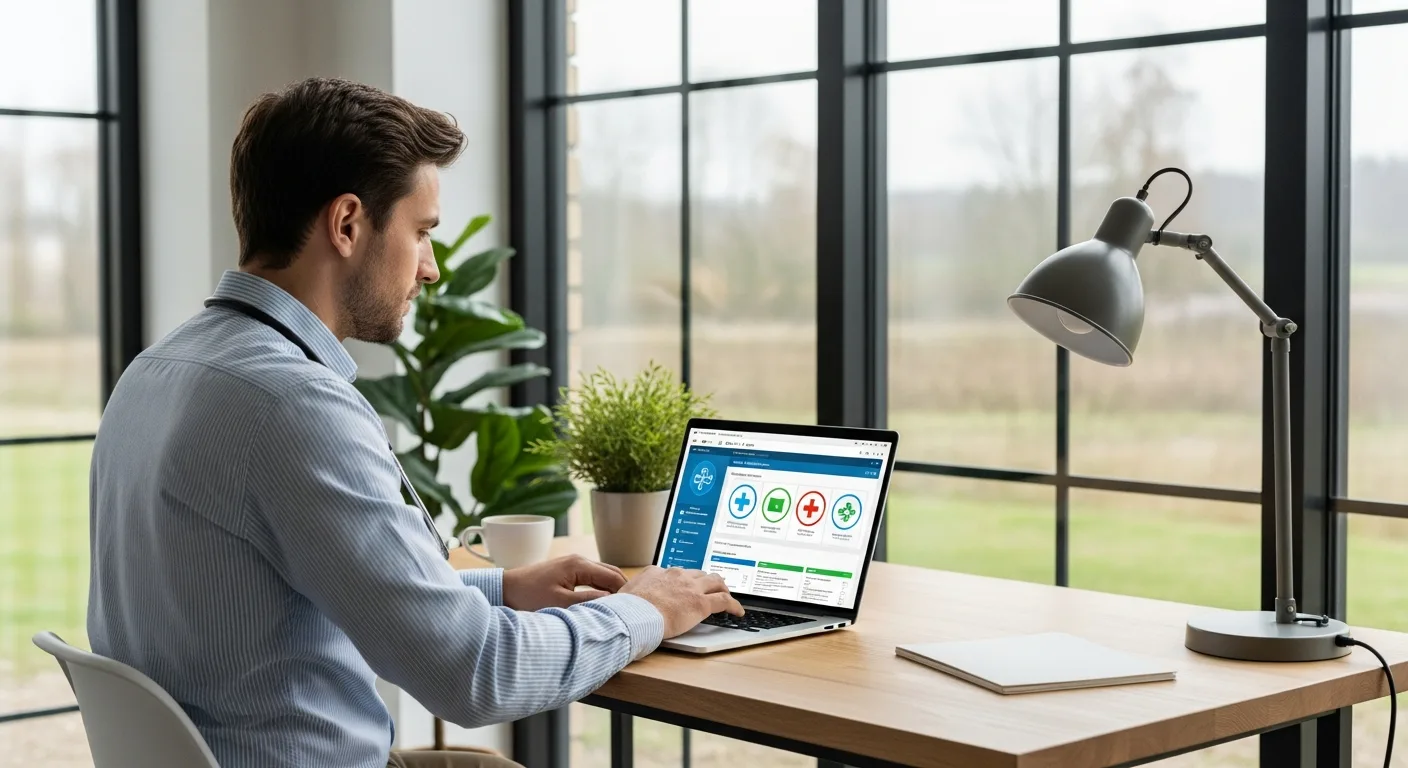
For those interested in the intersection of medicine and software, exploring a career in health technology offers a path into high-level data analysis and system management, often with higher salary ceilings than traditional administrative roles.
Transitioning from Clinical to Remote Work
Making the jump from a hospital floor to a home office requires a strategic approach. A professional must first audit his current skill set. If he has spent years in direct patient care, he possesses invaluable clinical judgment that insurance companies and tech firms are desperate for. He should focus on highlighting his expertise in Electronic Health Records (EHR) and his ability to work independently.
Networking is equally vital. He should connect with peers who have already made the transition. Many remote roles are filled through internal referrals before they even hit public job boards. He must also ensure his digital presence reflects his medical authority and his readiness for a remote environment.
Essential Requirements for a Medical Home Office
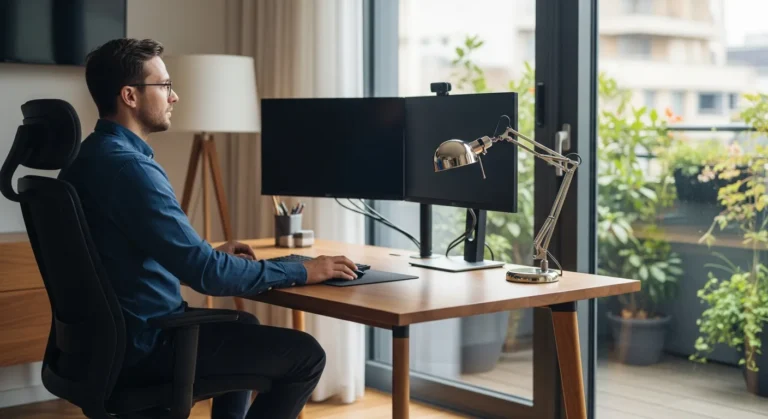
Working in medicine from home isn’t as simple as opening a laptop on a kitchen table. Because he is handling sensitive patient data, he must adhere to strict HIPAA compliance standards. This usually means a dedicated room with a locking door to ensure privacy during consultations or data entry.
Starting a remote medical consultancy or billing service is a viable path for an entrepreneur, and he should consult a comprehensive home business guide to ensure his setup meets all legal and operational standards. Beyond security, he needs high-speed internet, noise-canceling peripherals, and ergonomic furniture to maintain his health while he manages the health of others.
The Future of Remote Medical Employment
As we move further into 2026, the integration of AI in medical transcription and coding will change the landscape. However, the need for human oversight remains. A professional who stays updated on these technologies will find himself in high demand. He won’t just be a worker; he will be an auditor of AI-generated medical data, ensuring accuracy and empathy in a digital-first world.
Frequently Asked Questions
Do I need a medical degree to work from home in healthcare?
No, not all roles require a degree. While physicians and nurses can work in telehealth or medical review, roles like medical coding, billing, and transcription often only require specialized certifications.
Are remote medical jobs as stable as hospital jobs?
Yes. The demand for healthcare services is constant. As long as he remains certified and keeps his skills sharp, a remote professional enjoys the same, if not better, job security as his hospital-based counterparts.
How do I find legitimate medical work from home jobs?
He should look at major healthcare insurers, specialized medical job boards, and large hospital systems. Avoiding generic job boards can help him steer clear of scams and find high-quality, verified listings.