How Can You Secure a Small Business Loan in 2026? A Practical Roadmap
The New Reality of Small Business Lending
Securing capital in 2026 requires more than just a solid idea and a firm handshake. Lenders have shifted toward hyper-automated underwriting, where algorithms analyze a business owner’s real-time cash flow rather than just his historical tax returns. If he wants to walk away with an approval, he must present a digital-ready financial profile that speaks the language of modern risk assessment.
Strengthening Your Financial Profile
Before a business owner even looks at an application, he needs to audit his own creditworthiness. In 2026, the line between personal and business credit has blurred further. Lenders look at the FICO SBSS score, which aggregates his personal credit history with his business’s payment performance. He should ensure his debt-to-income ratio is lean and that no errors are lurking on his credit reports.
Establishing a dedicated financial home for his revenue is equally vital. Choosing one of the best business bank accounts in 2026 is the first step in establishing a professional paper trail that lenders demand. A clean, organized account history allows automated lending platforms to verify his income instantly, often leading to faster approval times.
Identifying the Right Loan Product
Not all capital is created equal. A business owner must match his specific need to the right financial instrument to avoid overpaying for debt. Here are the primary options available in 2026:
- SBA 7(a) Loans: Still the gold standard for long-term growth, offering lower interest rates and longer repayment terms.
- Revenue-Based Financing: Ideal for the entrepreneur who needs quick cash and is willing to pay a percentage of his future sales.
- Equipment Financing: A smart move if he needs to purchase high-tech machinery, as the equipment itself serves as collateral.
- Business Lines of Credit: Provides a safety net, allowing him to draw funds only when he encounters a gap in cash flow.
Proving Future Viability with Data
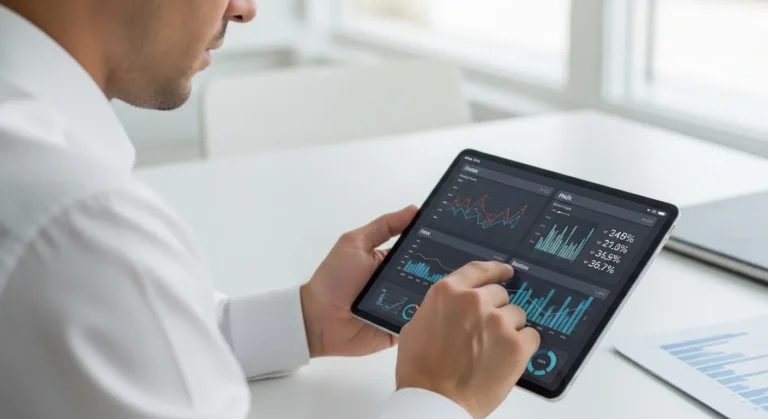
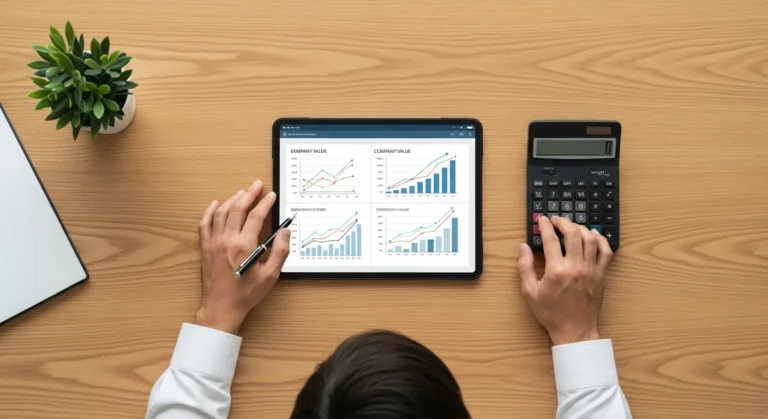
Lenders are no longer satisfied with where a business has been; they want to know exactly where it is going. A business owner must demonstrate that he understands his market dynamics and has a plan for sustainable growth. A lender wants to see that he has a clear vision for the future, which is why financial forecasting for small businesses has become a non-negotiable part of the modern loan package.
He should prepare a detailed 12-month projection that accounts for inflationary pressures and shifting consumer habits. When he shows a lender that he has accounted for potential downturns, he positions himself as a low-risk borrower who is prepared for any economic climate.
The 2026 Application Checklist
To streamline the process, a business owner should have his digital vault ready with the following documents:
- Business Tax Returns: At least the last two years of filings.
- Profit and Loss (P&L) Statements: Updated within the last 30 days.
- Bank Statements: Usually the most recent six months of activity.
- Legal Documents: Articles of incorporation, business licenses, and any existing lease agreements.
- Personal Identification: Valid government-issued ID for all owners with more than a 20% stake.
Navigating the Approval and Closing Process
Once he submits his application, the speed of the response often depends on the lender’s technology stack. Online fintech lenders may provide a decision within minutes, while traditional banks might take several weeks. If he receives an offer, he must scrutinize the Annual Percentage Rate (APR) rather than just the monthly payment. He should also check for hidden fees, such as origination charges or prepayment penalties, which can significantly increase the cost of his capital.
Frequently Asked Questions
What is the minimum credit score for a small business loan in 2026?
While requirements vary, most traditional lenders look for a personal credit score of 680 or higher. However, fintech lenders may accept scores as low as 600 if the business shows strong, consistent monthly revenue.
How long does it take to get funded?
Online lenders can often deposit funds into his account within 24 to 48 hours. SBA loans and traditional bank loans typically take 30 to 90 days due to more rigorous documentation requirements.
Can a new business owner get a loan without collateral?
Yes, unsecured business loans and lines of credit are available, though they often come with higher interest rates. He may also be required to sign a personal guarantee, making him personally liable if the business fails to repay the debt.
Do lenders check social media or online presence?
In 2026, many alternative lenders use AI to scan a business’s online reputation and social media engagement as a secondary measure of health. A strong, positive digital footprint can sometimes help a business owner secure better terms.