Why Eco-Friendly Business Practices in 2026 Are No Longer Optional?
The Shift from Greenwashing to Operational Reality
Forget the days when “going green” was just a marketing slogan or a checkbox for a corporate social responsibility report. In 2026, sustainability is the backbone of operational efficiency. A business owner who ignores his environmental impact isn’t just hurting the planet; he is actively draining his profit margins. High energy costs, stricter carbon taxes, and a consumer base that demands transparency have made eco-friendly practices a survival requirement.
The modern entrepreneur views sustainability as a tool for optimization. He looks at his waste streams and sees lost revenue. He looks at his energy consumption and sees an opportunity for automation. By integrating eco-friendly business practices in 2026, he positions his company as a resilient, forward-thinking leader in a competitive market.
The Rise of the Circular Business Model
The linear “take-make-dispose” model is dead. In its place, the circular economy has become the gold standard for successful enterprises. This involves designing products that are meant to be refurbished, reused, or recycled back into the production loop. A founder who adopts this model reduces his reliance on volatile raw material markets.
- Product-as-a-Service: Instead of selling a physical item, he leases it, maintaining ownership and ensuring the materials are recovered at the end of the product’s life.
- Closed-Loop Manufacturing: He sources waste from other industries to use as his primary feedstock, drastically lowering his procurement costs.
- Modular Design: He ensures his hardware can be easily repaired or upgraded, extending the lifecycle and building deep customer loyalty.
Decarbonizing the Supply Chain
Scope 3 emissions—those produced by a company’s suppliers and end-users—are now under the microscope. A CEO in 2026 must vet his partners with the same rigor he uses for his financial audits. He prioritizes suppliers who utilize renewable energy and ethical labor practices.
Implementing sustainable packaging for ecommerce is a primary step for any retailer looking to reduce his carbon footprint. By switching to compostable materials or reusable shipping containers, he eliminates the plastic waste that modern consumers despise. This shift doesn’t just save the environment; it often reduces shipping weight and lowers logistics expenses.
Energy Intelligence and AI Integration
In 2026, energy management is powered by artificial intelligence. A smart business leader uses AI-driven sensors to monitor his office or warehouse environment in real-time. These systems automatically adjust lighting, heating, and cooling based on occupancy and peak energy pricing.
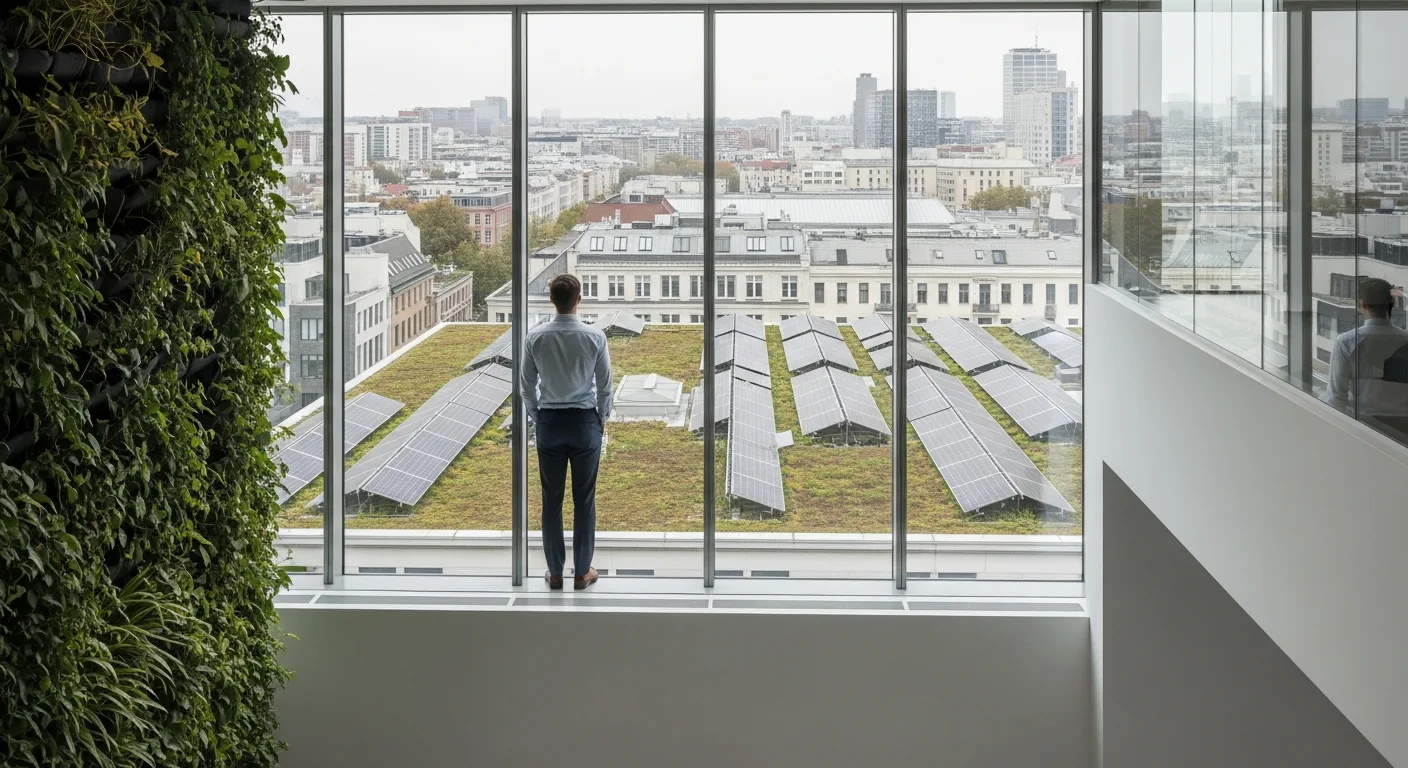
He also invests in on-site renewable energy. Whether it’s solar arrays on the warehouse roof or small-scale wind turbines, generating his own power provides a hedge against fluctuating utility prices. Integrating these green technologies is a vital part of how to grow your business in 2026 without allowing overhead to spiral out of control.
Sustainable Logistics and Last-Mile Delivery
The “last mile” has traditionally been the most carbon-intensive part of the delivery process. To combat this, the 2026 business model favors electric vehicle (EV) fleets and micro-fulfillment centers. By placing inventory closer to the customer, a manager can utilize e-bikes or small electric vans for delivery, bypassing traffic and reducing emissions.
He also leverages logistics optimization software to ensure that every delivery route is as efficient as possible. This reduces fuel consumption (or battery drain) and ensures that his drivers spend less time idling in traffic and more time completing orders. Efficiency and ecology are, in this case, the exact same thing.
The Human Element: Leading a Green Team
A leader knows that his team is his greatest asset in achieving sustainability goals. He fosters a culture where every employee is encouraged to identify waste and suggest improvements. He might implement an internal “carbon budget” for departments, rewarding those who find the most creative ways to reduce their impact.
By providing his staff with the tools and education they need to work sustainably, he boosts morale and retention. Men today want to work for a company that aligns with their values. When a leader demonstrates a genuine commitment to the planet, he attracts top-tier talent who are motivated by more than just a paycheck.
Frequently Asked Questions
Are eco-friendly business practices more expensive to implement?
While some green technologies require an upfront investment, they almost always result in long-term savings. Reduced energy consumption, lower waste disposal fees, and improved operational efficiency typically lead to a positive ROI within 18 to 24 months.
How can a small business start going green in 2026?
He should start with an energy audit to identify low-hanging fruit. Switching to LED lighting, eliminating single-use plastics in the breakroom, and moving to a paperless cloud-based workflow are high-impact, low-cost starting points.
What is the biggest sustainability trend for 2026?
The biggest trend is radical transparency. Consumers and regulators now expect to see the full lifecycle impact of a product, often accessible via a QR code on the packaging that reveals the entire supply chain journey.