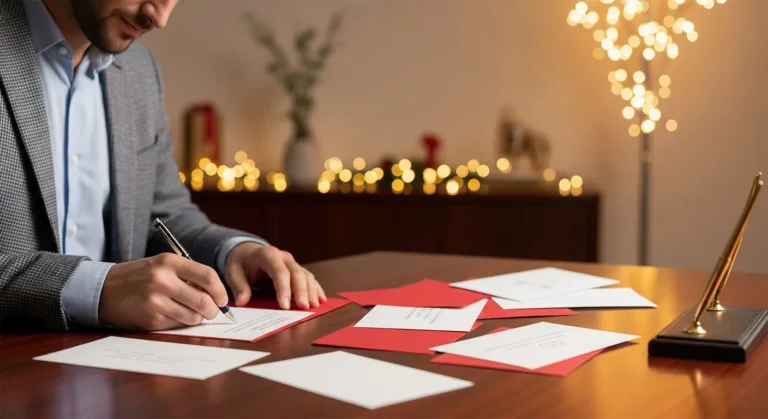
Why Handwritten Business Thank You Cards Are Your Most Powerful Retention Tool
The Psychological Impact of a Physical Note in a Digital Age
In the current landscape of 2026, where digital automation and AI-driven communication dominate the corporate world, the traditional business thank you card has emerged as a rare and high-value commodity. When a professional takes the time to handwrite a note, he is doing more than just saying thanks; he is signaling that he values the relationship more than the convenience of a quick email. This physical touchpoint creates a lasting impression that a digital notification simply cannot replicate.
For the modern businessman, gratitude is a strategic asset. When he sends a card, he triggers a psychological response in the recipient. It fosters a sense of reciprocity and mutual respect, often serving as the deciding factor when a client chooses whether to renew a contract or seek services elsewhere.
When Should a Professional Send a Thank You Card?
Timing and context are everything when it comes to professional etiquette. A well-timed note can solidify a partnership, while a late one might seem like an afterthought. Here are the critical moments when an entrepreneur should reach for his stationery:
- After a High-Stakes Meeting: If he has just finished a pitch or a deep-dive strategy session, a card reinforces his commitment to the project.
- Following a Referral: When a colleague refers a new lead, a handwritten note acknowledges the trust placed in him.
- Project Completion: Marking the end of a successful collaboration ensures the relationship stays warm for future opportunities.
- Milestones: Celebrating a client’s business anniversary or a personal promotion shows he is paying attention to his partner’s success.
Mastering the Art of the Professional Message
The content of the card should be concise, sincere, and professional. A businessman should avoid using the card as a hidden sales pitch. Instead, he should focus entirely on the recipient. A standard structure includes a specific reference to a recent interaction, a sincere expression of gratitude, and a forward-looking statement regarding their continued partnership.
Presentation also matters immensely. Selecting high-quality cardstock and ensuring the handwriting is legible are non-negotiable standards. Furthermore, the professional should be mindful of the logistics; understanding the appropriate dimensions for professional mailers ensures that his message arrives looking pristine and fits within standard corporate filing systems.
Strategic Gratitude: Beyond the Transaction
Integrating business thank you cards into a broader CRM strategy allows a leader to stand out from his competitors. While many wait for the end of the year to send greetings, the most successful entrepreneurs understand that gratitude is a year-round endeavor. While there is certainly a place for following a standard seasonal greeting protocol, the unexpected thank you card sent in the middle of a random Tuesday often carries significantly more weight.
By making this a habit, he builds a reputation as a thoughtful and detail-oriented leader. This reputation precedes him in future negotiations and helps him maintain a network that is loyal and engaged.
Frequently Asked Questions
How long should I wait to send a business thank you card?
Ideally, a businessman should send the card within 24 to 48 hours of the event or meeting. This ensures the interaction is still fresh in the recipient’s mind and demonstrates promptness and professionalism.
Is it okay to use pre-printed messages?
While the card itself can have a pre-printed design or logo, the message should always be handwritten. A pre-printed message feels like a mass-marketing effort, which defeats the purpose of a personal connection. He should always add at least two to three personalized sentences.
Should I include a business card inside the thank you note?
Generally, no. If he is sending a thank you card, the recipient likely already has his contact information. Including a business card can make the gesture feel transactional rather than relational. Let the note stand on its own merit.
Can I send a thank you card to a prospective employer after an interview?
Absolutely. In fact, it is highly recommended. It distinguishes him from other candidates and gives him one last opportunity to reiterate his interest in the position and his professional value.