Which Franchise Business Opportunities 2026 Offer the Best ROI?
The Evolving Landscape of Franchising in 2026
Franchising has moved far beyond the traditional fast-food model. For the modern entrepreneur, the year 2026 presents a unique intersection of technological integration and a renewed demand for localized, high-touch services. He no longer needs to flip burgers to see a return on investment; instead, he can leverage proven systems in sectors ranging from green energy to specialized senior care.
The appeal of a franchise remains its mitigated risk. When a man invests in a franchise, he is buying a roadmap that has already been stress-tested. In 2026, the most successful franchisees are those who identify shifts in consumer behavior early and align themselves with brands that prioritize agility and digital-first operations.
Home Services: The Recession-Resistant Powerhouse
Home-based and mobile franchises continue to dominate the market due to their low overhead and high demand. As homeowners prioritize maintenance and energy efficiency, franchises specializing in HVAC, smart home installation, and eco-friendly landscaping are seeing unprecedented growth. A savvy investor looks for models that allow him to start small and scale as his client base expands.
Many of these home services business ideas 2026 are built on recurring revenue models. Whether it is seasonal lawn care or monthly pool maintenance, the ability to predict cash flow makes these opportunities highly attractive. He can manage his team from a home office, reducing the need for expensive commercial real estate and allowing him to focus capital on marketing and talent acquisition.
Health and Wellness: Specialized Niche Markets
The wellness industry has fractured into highly profitable sub-sectors. General gyms are being replaced by boutique studios focusing on longevity, recovery, and biohacking. For the investor, this means he can target a specific demographic with high disposable income. Franchises that offer cryotherapy, IV hydration, or specialized stretching services are no longer outliers; they are mainstream staples.
Beyond physical fitness, mental health and senior support services are critical growth areas. As the population ages, the demand for in-home senior care and specialized memory care franchises is skyrocketing. An entrepreneur in this space provides a vital service to his community while tapping into a market with a virtually guaranteed upward trajectory.
Technology and Automation in Franchise Operations
In 2026, the best franchise opportunities are those that have fully embraced automation. From AI-driven customer service bots to sophisticated supply chain management software, technology allows a franchisee to do more with less. He can monitor his business performance in real-time, identifying bottlenecks before they impact his bottom line.
When evaluating a potential brand, he must ask about their tech stack. A franchisor that hasn’t updated its digital infrastructure is a liability. He needs a partner that understands how to grow your business 2026 through data-driven decisions and automated marketing funnels that keep the lead pipeline full without constant manual intervention.
Evaluating the Franchise Disclosure Document (FDD)
Before any capital changes hands, a man must perform rigorous due diligence. The Franchise Disclosure Document is his most important tool. He should pay close attention to Item 19, which outlines the financial performance representations. While not all franchisors provide this, those that do offer a clearer picture of what he can realistically expect to earn.
- Initial Investment: Does it include working capital for the first six months?
- Litigation History: Are there red flags regarding the franchisor’s relationship with other owners?
- Renewal Terms: What are his rights when the initial contract expires?
He should also reach out to existing franchisees. Speaking with men who are already in the trenches provides insights that no glossy brochure can match. He should ask about the level of support provided during the grand opening and how the franchisor handles market downturns.
The Rise of Semi-Absentee Ownership
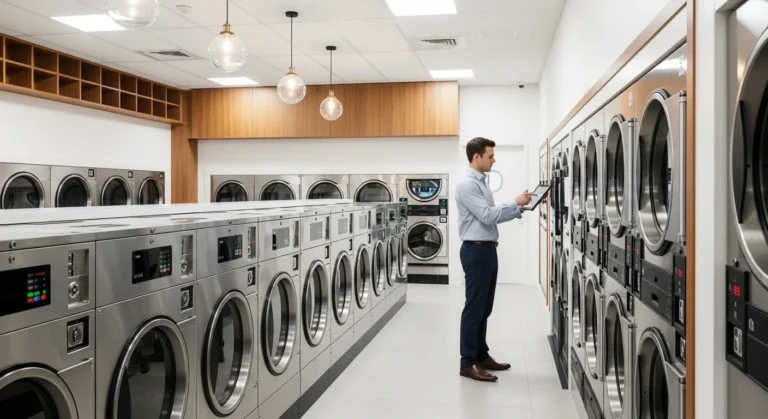
A significant trend in 2026 is the rise of the semi-absentee owner. This model allows a man to keep his day job while a professional manager handles the daily operations of the franchise. This is particularly common in the car wash, laundromat, and automated retail sectors. It is an ideal path for the investor looking to build a portfolio of passive or semi-passive income streams.
However, he must remember that “semi-absentee” does not mean “uninvolved.” He still needs to provide high-level oversight, review financial statements, and ensure his manager is adhering to the brand’s core values. Success in this model requires a disciplined approach to leadership and a clear understanding of the KPIs that drive the business forward.
Frequently Asked Questions
What is the average cost of a franchise in 2026?
Costs vary wildly depending on the industry. Low-cost mobile franchises can start as low as $20,000, while high-end brick-and-mortar locations in the food or hospitality sector can exceed $1 million. He must factor in the franchise fee, equipment, and initial marketing costs.
How long does it take for a franchise to become profitable?
Most franchises expect to see a break-even point within 12 to 24 months. However, service-based models with low overhead often reach profitability much faster than capital-intensive retail operations. He should have enough liquidity to cover his personal expenses during this ramp-up period.
Can I own multiple franchise locations?
Yes, many franchisors prefer multi-unit owners. Once a man has proven he can successfully run one location, the franchisor is often eager to help him expand. Multi-unit ownership allows him to scale his income significantly while centralizing certain administrative tasks.
What are the biggest risks of buying a franchise?
The primary risks include a lack of autonomy, as he must follow the franchisor’s rules, and the potential for the brand’s reputation to suffer due to the actions of other franchisees. He must ensure the brand he chooses has a strong corporate team dedicated to protecting the brand’s integrity.