How to Build Customer Loyalty Program Ideas 2026 That Actually Work?
The Death of the Generic Points System
The days of a customer carrying a dozen plastic punch cards or tracking abstract “points” that expire before he can use them are over. In 2026, loyalty is no longer a transaction; it is an identity. If a business owner wants to keep his customers from jumping to a competitor for a lower price, he must offer something that cannot be easily replicated: a sense of belonging and immediate, tangible value.
Modern consumers are savvy. He knows his data is valuable, and he expects a fair exchange. A successful loyalty strategy now focuses on emotional resonance and hyper-personalization. It is about making the customer feel like the hero of his own story, with your brand serving as his trusted ally.
Hyper-Personalization Through AI-Driven Insights
Generic rewards are a waste of marketing budget. By 2026, artificial intelligence allows a business owner to predict exactly what a customer wants before he even realizes it himself. Instead of sending a 10% discount on everything, the system should offer a reward specifically for the product he buys every Tuesday morning.
- Predictive Gifting: Sending a reward based on predicted future needs.
- Behavioral Milestones: Celebrating the anniversary of his first purchase with a personalized video or a custom-selected gift.
- Dynamic Tiering: Adjusting rewards in real-time based on his current engagement levels.
Tiered Membership with Real-World Utility
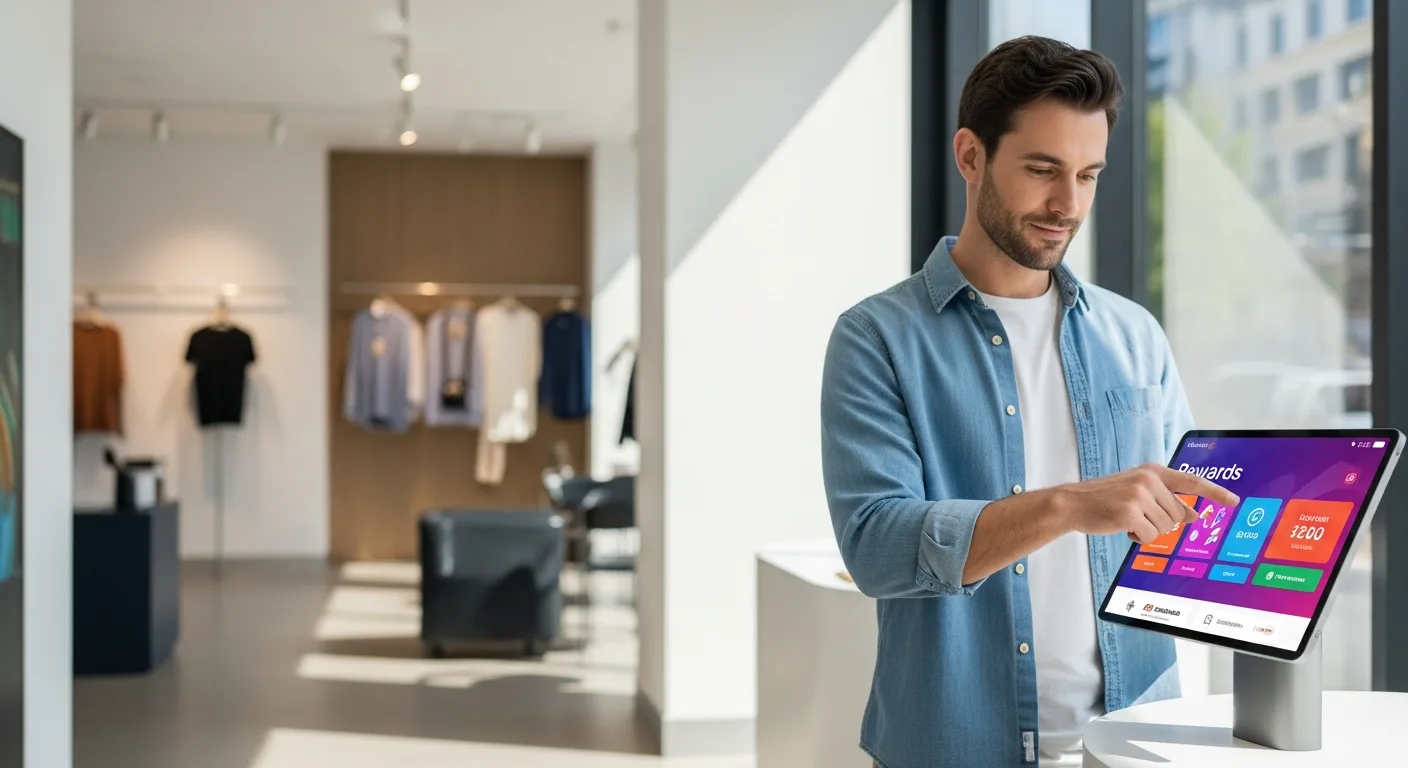
Tiered programs work because they tap into the human desire for status. However, the perks must be functional. A high-tier member should not just get a badge on his profile; he should get priority access. This could mean skipping the shipping queue, having a dedicated support line, or getting early access to new product drops.
When a man reaches the “Elite” status in a program, he should feel the difference in his daily life. This friction-less experience creates a “moat” around the customer, making the thought of switching to a competitor feel like a downgrade in his lifestyle.
Integrating Physical Touchpoints for Digital Brands
In an increasingly digital world, physical objects carry more weight than ever. A business owner who sends thoughtful physical gestures like handwritten notes often sees a higher retention rate than one who relies solely on automated emails. These physical touchpoints break through the digital noise and land directly in the customer’s hands.
Consider sending high-quality, branded merchandise that he will actually use. A premium hoodie or a well-crafted desk accessory serves as a constant, subtle reminder of his relationship with your brand. It transforms a digital transaction into a tangible connection.
Community-Centric Loyalty Models
The most powerful form of loyalty is when customers become advocates for each other. Transitioning toward a community-led brand strategy ensures that customers feel like members of an exclusive club rather than just entries in a database. This involves creating spaces—whether digital forums or local meetups—where he can interact with like-minded individuals.
Community loyalty ideas for 2026:
- Co-Creation Rights: Allowing top-tier members to vote on future product designs or features.
- Exclusive Events: Hosting private webinars or in-person workshops led by industry experts.
- Member-to-Member Rewards: Incentivizing him to help other members solve problems within the community.
Gamifying the Customer Journey
Gamification is not just about leaderboards; it is about making the act of purchasing fun. In 2026, this looks like “streaks,” “challenges,” and “unlockable content.” If a customer buys three months in a row, he might unlock a hidden menu or a special discount code that he can share with a friend.
This approach keeps the brand top-of-mind. He isn’t just buying a product; he is playing a game where he is constantly winning. The psychological dopamine hit associated with completing a challenge ensures he returns to your store instead of browsing elsewhere.
Frequently Asked Questions
What is the most effective loyalty program in 2026?
The most effective programs are those that offer immediate, personalized value. Hybrid models that combine a free tier with a paid “premium” subscription (like Amazon Prime) are currently dominating the market because they provide instant gratification.
How do I start a loyalty program for a small business?
Start simple. Focus on collecting clean data first. Use a basic tiered system where he earns rewards based on his total spend, and then gradually introduce more complex elements like gamification and community features as your budget grows.
Are paid loyalty programs worth it?
Yes, if the value exceeds the cost. A paid program filters for your most dedicated customers. When a man pays for a membership, he is much more likely to consolidate his spending with your brand to “get his money’s worth.”