How Can You Become a Work at Home Vintage Expert?
The High-Stakes World of Professional Vintage Resale
Finding a rare 1960s Omega Speedmaster at a local estate sale for a fraction of its value isn’t just luck; for the work at home vintage expert, it is a calculated result of deep market knowledge. This career path allows a man to turn his passion for history and craftsmanship into a high-margin enterprise without ever stepping into a traditional office. He operates at the intersection of curator, historian, and savvy negotiator.
Success in this field requires more than just an eye for aesthetics. He must understand the technical nuances of manufacturing eras, material degradation, and the specific hallmarks that separate a genuine artifact from a high-quality reproduction. Transitioning into this niche requires a solid foundation, much like any other home-based business guide would suggest for long-term sustainability and growth.
Sourcing Inventory Like a Professional
A vintage expert does not wait for inventory to come to him. He builds a network that feeds him high-quality leads. This involves more than just browsing eBay; he attends specialized auctions, builds relationships with estate liquidators, and monitors local classifieds with surgical precision. He knows that the real profit is made at the time of purchase.
- Estate Sales: He arrives early, often being the first in line to secure high-ticket items like mid-century modern furniture or rare horological pieces.
- Private Collections: By establishing himself as an authority, he often gets invited to view private collections before they hit the public market.
- Online Arbitrage: He uses automated tools to track price drops on platforms where sellers might not realize the true value of what they possess.
Mastering Authentication and Valuation
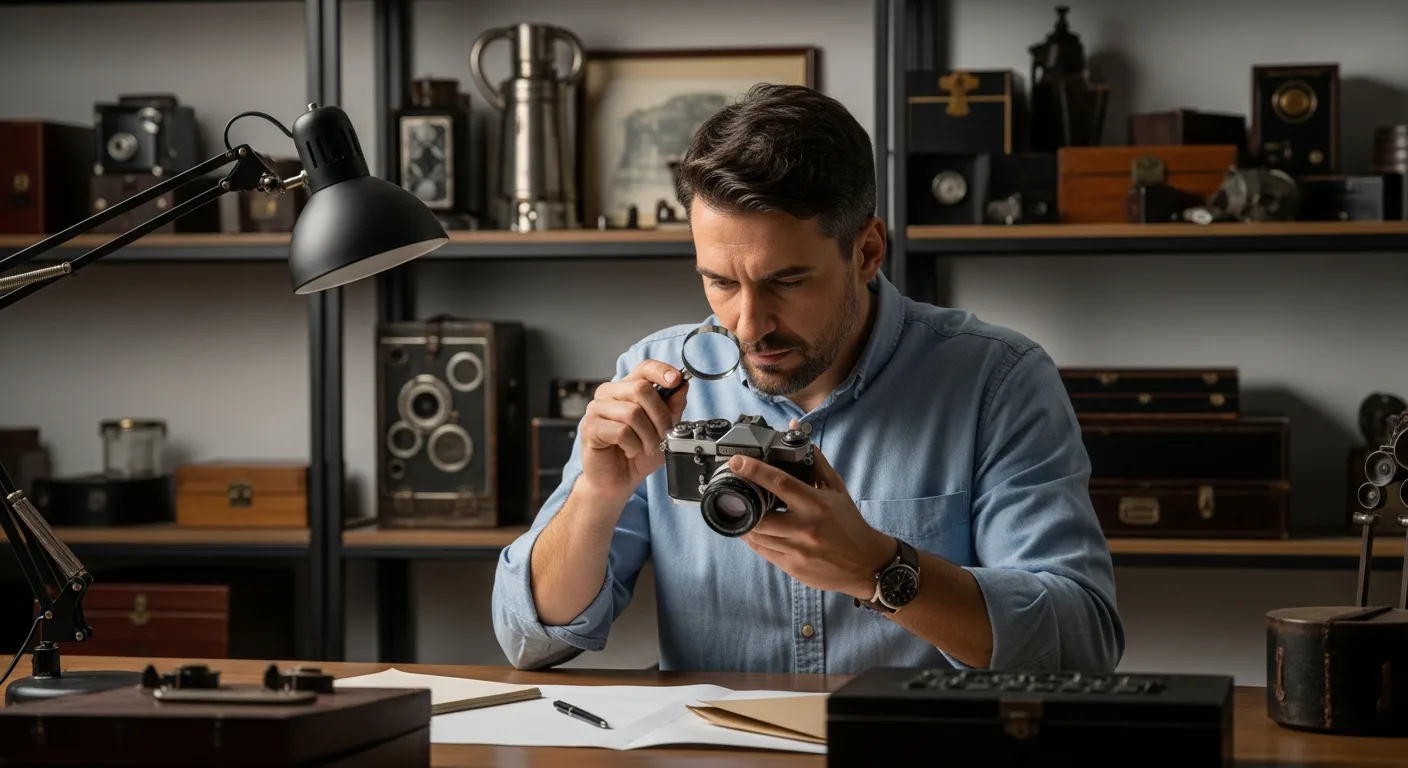
The difference between a $500 profit and a $5,000 loss often comes down to a single stitch or a specific serial number. A work at home vintage expert invests heavily in his library of reference materials. He studies the evolution of logos, the weight of specific metals, and the chemical composition of paints used in different decades.
When he determines the worth of a rare timepiece or a piece of industrial art, he often relies on standard business valuation methods explained by industry veterans to ensure his margins remain healthy. He understands that market volatility affects vintage goods just as much as stocks, and he times his sales to coincide with peak demand cycles.
Building a Digital Showroom
Operating from home means his digital presence is his storefront. He doesn’t just take photos; he creates a narrative around every item. High-resolution photography that highlights both the beauty and the honest wear of a vintage piece builds trust with high-net-worth buyers. He uses platforms like 1stDibs, Chairish, or specialized forums where collectors congregate.
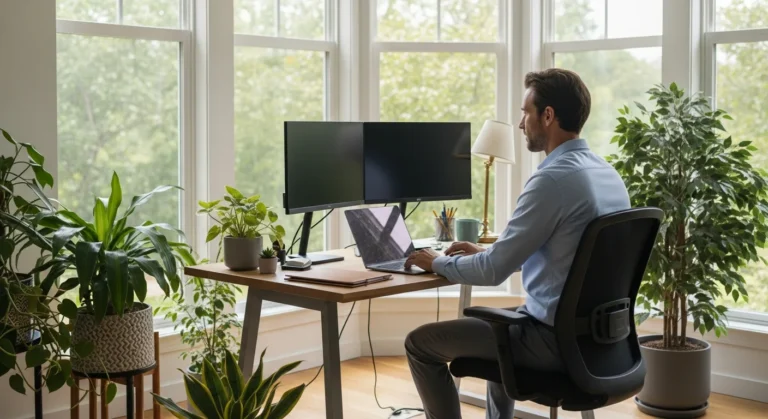
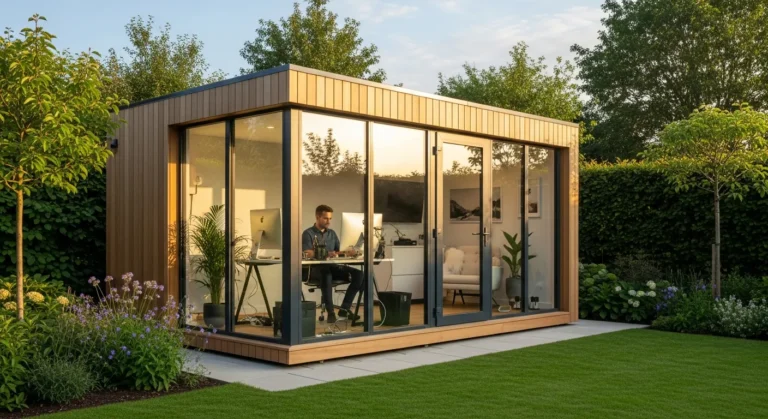
He manages his inventory with precision, ensuring that storage conditions are climate-controlled to prevent any deterioration of leather, wood, or paper. His home office is a blend of a high-tech studio and a meticulously organized warehouse, allowing him to ship items globally with the confidence that they will arrive in the exact condition described.
Scaling the Home-Based Vintage Business
As his reputation grows, the expert often moves from simple reselling to consultancy. He may be hired by other collectors to authenticate items or to act as a proxy at high-end auctions. This diversification of income streams protects him from market fluctuations in specific categories. He treats his business with the same rigor as a corporate executive, tracking every expense, shipping cost, and acquisition fee to maintain a lean, profitable operation.
Frequently Asked Questions
What tools does a vintage expert need at home?
He needs high-quality loupes, digital calipers, professional lighting for photography, and access to paid historical databases for price tracking and authentication.
How do you verify the authenticity of vintage items?
He looks for specific manufacturing marks, checks serial numbers against manufacturer records, and analyzes the patina and wear patterns to ensure they match the age of the item.
Is the vintage market stable in 2026?
Yes, tangible assets like high-end vintage goods often act as a hedge against inflation, making them highly sought after by investors and collectors alike.
How much space is required for a home-based vintage business?
It depends on the niche. A watch expert needs only a small desk, while a mid-century furniture specialist may require a dedicated climate-controlled garage or basement.