Which Retirement Home Jobs Offer the Best Stability and Growth in 2026?
The Shifting Landscape of Senior Living Careers
The demand for senior care has reached an all-time high in 2026. As the population continues to age, retirement communities are no longer just places for residence; they have evolved into sophisticated hubs of healthcare, hospitality, and wellness. For a man looking to enter this field, retirement home jobs offer a unique blend of job security and the opportunity to make a tangible impact on the lives of others.
Unlike many sectors facing volatility due to automation, the senior living industry relies heavily on human connection and specialized care. Whether he is interested in the medical side of operations or prefers the logistical challenges of facility management, there is a clear path for advancement. The industry now prioritizes professional development, ensuring that an entry-level employee can eventually transition into high-level leadership.
Clinical Roles and Medical Support
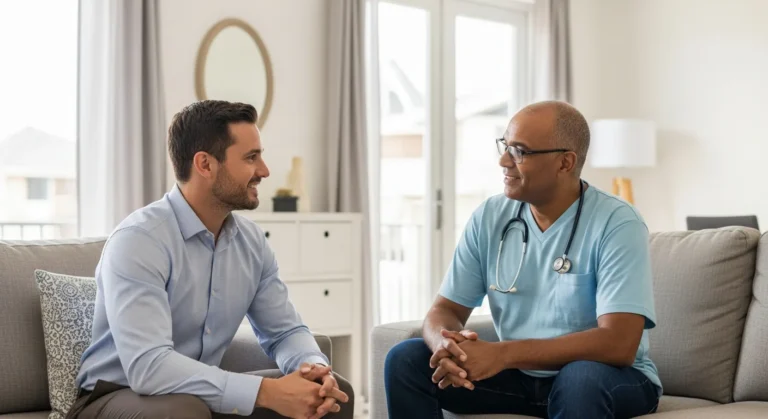
Clinical positions remain the backbone of any retirement community. These roles require specific certifications but offer some of the highest levels of job security. Registered Nurses (RNs) and Licensed Practical Nurses (LPNs) are responsible for managing complex health needs, administering medication, and coordinating with physicians.
- Certified Nursing Assistants (CNAs): He will often be the primary point of contact for residents, assisting with daily living activities and monitoring vital signs.
- Physical and Occupational Therapists: These professionals focus on maintaining the mobility and independence of residents, a vital component of modern elder care.
- Medication Technicians: A specialized role for those who want to focus strictly on the pharmaceutical needs of the community.
A professional interested in the medical side of things should review this comprehensive nursing home jobs guide to understand the specific certifications and daily responsibilities required in these high-stakes environments.
Administrative and Management Opportunities
Running a retirement home is a massive business undertaking. It requires a man who understands both the nuances of healthcare regulations and the fundamentals of hospitality management. Executive Directors and Department Heads oversee everything from budgeting to staff retention.
For those just starting out, exploring a business trade school career path can provide the foundational skills needed for administrative roles. Management in this sector involves navigating complex insurance landscapes and ensuring the facility meets strict state and federal safety standards. He must be a strong communicator, capable of leading diverse teams while maintaining a high standard of resident satisfaction.
Support Services and Hospitality Roles
Not every role in a retirement home requires a medical degree. The “hospitality model” of senior living has gained massive traction in 2026, leading to an increase in service-oriented positions. These roles are perfect for individuals who excel in customer service and facility maintenance.
- Culinary Directors and Chefs: Nutrition is a cornerstone of senior health. He will be responsible for creating menus that are both medically appropriate and high-quality.
- Maintenance and Environmental Services: Ensuring the physical plant is safe and functional is a 24/7 job. This includes HVAC management, plumbing, and general repairs.
- Life Enrichment Coordinators: He designs social, physical, and mental activities to keep residents engaged and active.
Why Choose a Career in Senior Living Now?
The primary benefit of pursuing retirement home jobs in 2026 is the recession-proof nature of the work. People will always require care, regardless of the economic climate. Furthermore, many organizations now offer tuition reimbursement and internal training programs to help a man climb the corporate ladder.
He can start as a dietary aide and, with the right drive, move into a kitchen management role or even facility administration. The industry values loyalty and hands-on experience, making it one of the few sectors where long-term tenure is still highly rewarded with promotions and competitive benefit packages.
Frequently Asked Questions
What are the most common entry-level retirement home jobs?
The most common entry-level roles include Certified Nursing Assistants (CNAs), dietary aides, housekeeping staff, and activity assistants. Most of these positions provide on-the-job training, though CNAs require a brief certification period.
Do I need a medical background to work in a retirement home?
No. While clinical roles require medical training, there are dozens of opportunities in administration, maintenance, culinary arts, and marketing that do not require a healthcare degree.
Is there room for career advancement in senior living?
Yes, the industry is known for promoting from within. A dedicated employee can move from a frontline service role into department management or executive leadership through experience and additional certifications.
What skills are most important for these roles?
Beyond technical skills, empathy, patience, and strong communication are vital. He must be able to interact professionally with residents, their families, and medical staff simultaneously.