How to Start a High-Profit Power Washing Business in 2026
The Lucrative Reality of Exterior Maintenance
Dirty driveways, moss-covered siding, and oil-stained parking lots are everywhere. For an ambitious entrepreneur, these aren’t just eyesores; they are revenue opportunities. A power washing business remains one of the most accessible service-based ventures because it offers high margins, immediate visual results, and a recurring customer base.
He doesn’t need a master’s degree to succeed here. He needs grit, the right gear, and a solid understanding of how to treat different surfaces without causing damage. In 2026, homeowners and commercial property managers are more willing than ever to pay a premium for a specialist who can restore their property’s value in a single afternoon.
Investing in the Right Professional Gear
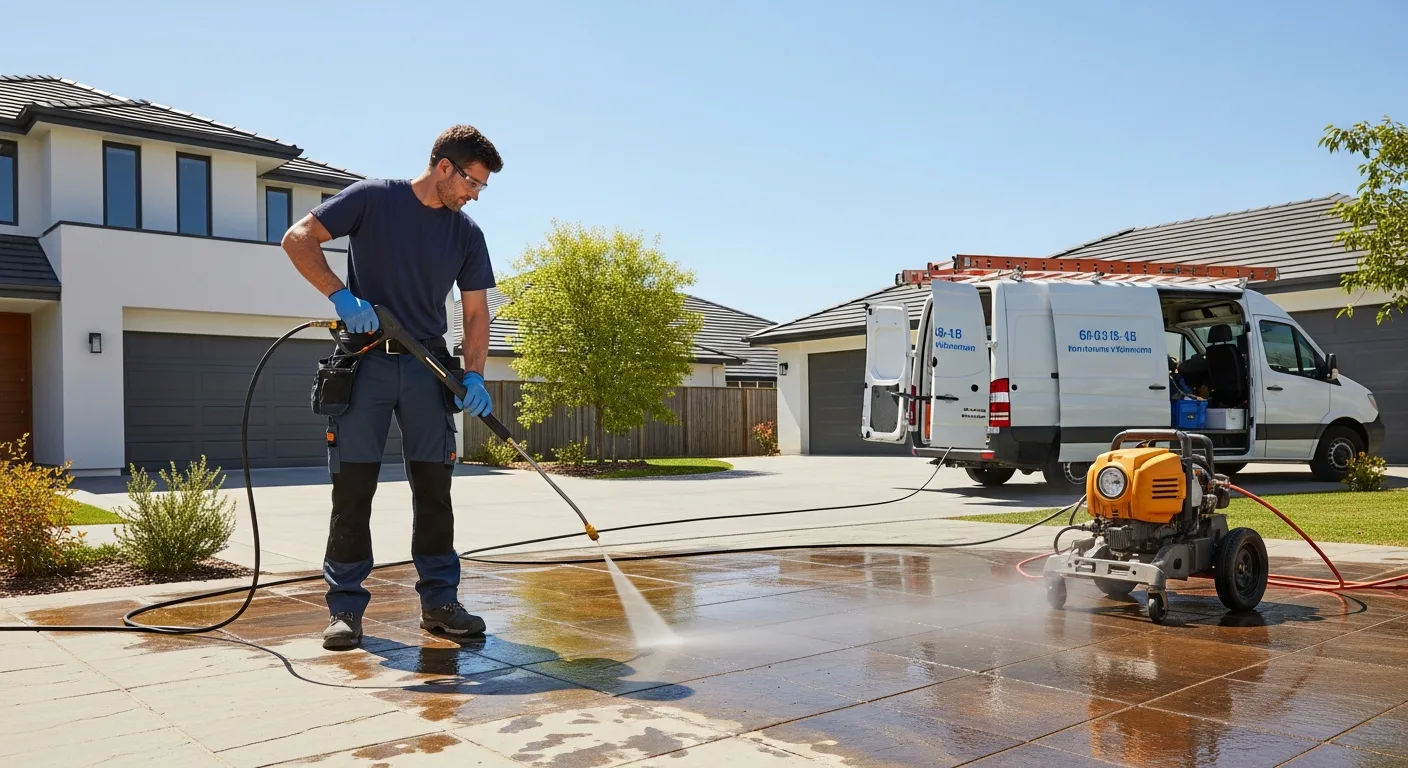
A homeowner’s electric pressure washer from a big-box store won’t cut it for a professional operation. To compete, he must invest in a machine that delivers at least 4.0 GPM (Gallons Per Minute). Pressure (PSI) is important, but flow rate (GPM) is what actually moves the dirt and speeds up the job.
His setup should include:
- A professional-grade pressure washer: Preferably gas-powered with a reliable engine.
- Surface cleaners: These are essential for cleaning large flat areas like driveways evenly and quickly.
- Telescoping wands: To reach second-story siding without constantly moving a ladder.
- Chemical injectors: For applying detergents and surfactants.
When he builds his inventory, he should consult an essential business cleaning supplies guide to ensure he has the right chemicals for different surfaces, such as sodium hypochlorite for mold or degreasers for concrete.
Legal Foundations and Risk Management
Before he pulls the trigger on his first job, he must protect his assets. Power washing involves high-pressure water that can easily strip paint, shatter windows, or force water behind siding if handled incorrectly. General liability insurance is non-negotiable. It signals to the client that he is a professional who takes responsibility for his work.
He should also decide on a business structure. Most solo operators start as an LLC to separate their personal finances from the business. This step is vital for long-term growth and credibility when bidding on larger commercial contracts.
Pricing Strategies for Maximum Margin
One of the biggest mistakes a new owner makes is pricing too low. He shouldn’t compete on price; he should compete on value and reliability. There are three common ways he can structure his quotes:
- Flat Rate: Charging a set fee for standard jobs like a two-car driveway or a single-story house wash.
- Square Footage: Common for commercial jobs where the scale is massive.
- Hourly Rate: Useful for complex, unpredictable restoration work, though less common for standard cleaning.
He must factor in his fuel, chemical costs, equipment wear and tear, and his own time. In 2026, a standard residential house wash can easily fetch between $300 and $600 depending on the region and the size of the home.
Marketing Your Services to Local Clients
The best equipment in the world is useless if his phone isn’t ringing. In the modern market, a professional website and a Google Business Profile are the bare minimum. He needs to capture high-quality “before and after” photos of every job to showcase his results on social media.
To dominate the local market, he needs to invest in affordable SEO for small business strategies that put his services in front of homeowners searching for “power washing near me.” Local lead generation through door hangers and yard signs still works, but digital visibility is where he will find his highest-paying commercial clients.
Scaling Beyond the Wand
Once he has a steady stream of customers, he faces a choice: stay a solo operator or scale. Scaling requires him to hire a crew and potentially add a second truck. This is where he transitions from a technician to a business owner. He should focus on building systems—standardized cleaning processes, automated invoicing, and follow-up sequences—that allow the business to run even when he isn’t holding the spray gun.
Frequently Asked Questions
How much does it cost to start a power washing business?
A basic professional setup typically costs between $2,000 and $5,000. This covers a high-GPM machine, hoses, a surface cleaner, and initial marketing materials. If he buys a used trailer or truck, the entry cost may be higher.
Is power washing different from soft washing?
Yes. Power washing uses high pressure to blast surfaces like concrete. Soft washing uses low pressure combined with specialized chemicals to clean delicate surfaces like roof shingles and vinyl siding without causing damage.
Do I need a license to start power washing?
Licensing requirements vary by state and city. At a minimum, he will likely need a general business license. Some areas also require environmental permits regarding water runoff, especially for commercial jobs.