Does Your Executive Office Furniture Reflect Your Leadership Authority?
The Silent Language of a Leader’s Workspace
A leader’s office is more than just a place to answer emails; it is a command center where high-stakes decisions are made. When a visitor walks into an executive suite, he immediately forms an impression based on the surroundings. The choice of furniture speaks volumes about a man’s attention to detail, his appreciation for quality, and his professional stature. In 2026, the trend has shifted away from mere opulence toward a blend of functional minimalism and heavy-duty craftsmanship.
An executive needs an environment that minimizes distractions while maximizing his cognitive output. If his desk is cluttered or his chair is uncomfortable, his focus shifts from strategy to physical irritation. Investing in high-end furniture is an investment in his own performance and the brand he represents.
The Executive Desk: A Foundation for High-Stakes Decisions
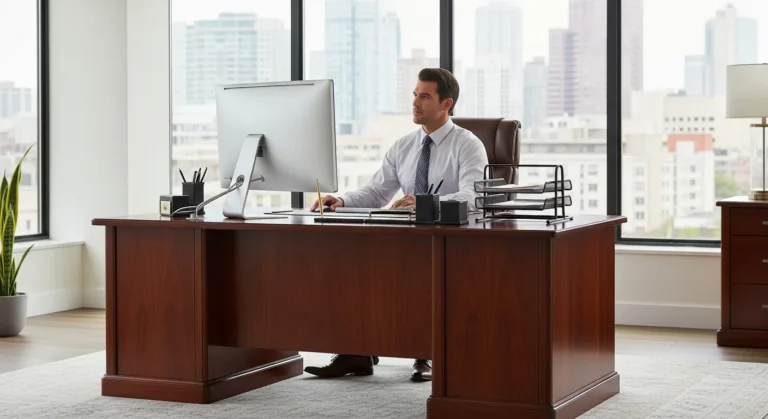
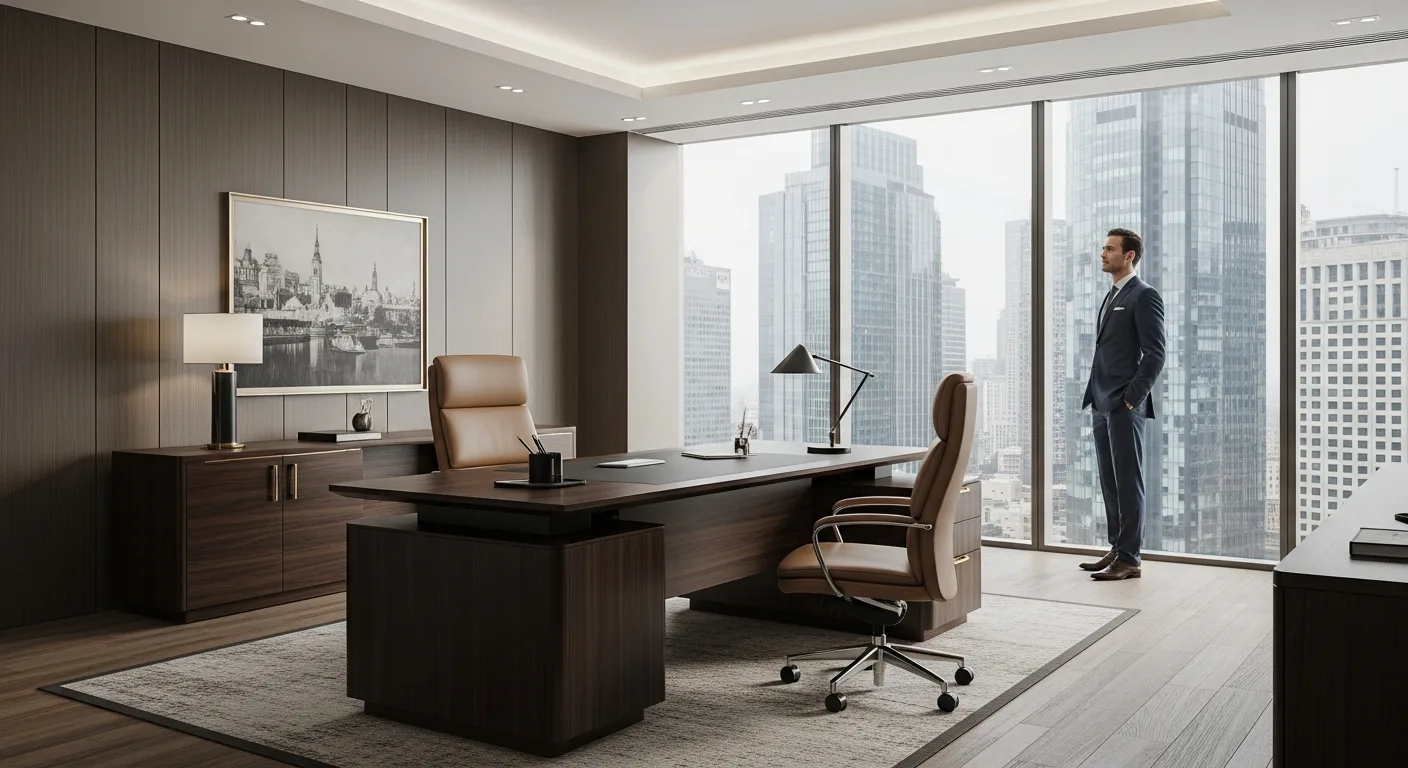
The desk is the undisputed centerpiece of the room. It serves as the anchor for all operations. A massive, solid wood desk conveys stability and tradition, while a sleek, glass-and-steel configuration suggests a forward-thinking, tech-savvy leader. Regardless of the material, the desk must provide ample surface area for his hardware, documents, and the occasional face-to-face consultation.
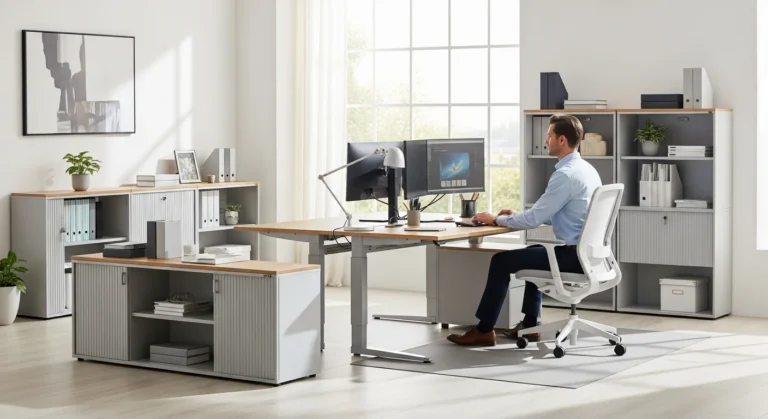
Modern executives often require versatility. Many are opting for height-adjustable surfaces that allow them to transition between sitting and standing throughout the day. This keeps his energy levels high and his mind sharp. When he is looking to optimize his personal workspace, he might consider a premium executive desk for his home office to maintain consistency in his work habits across different locations.
Ergonomic Excellence: Protecting the Executive’s Health
Long hours at the helm can take a toll on a man’s body. A standard office chair simply won’t suffice for someone spending ten to twelve hours a day navigating complex business landscapes. An executive ergonomic chair is designed to support the natural curve of his spine, reducing the risk of chronic back pain and fatigue.
- Adjustable Lumbar Support: Ensures his lower back is protected during long strategy sessions.
- High-Back Design: Provides full support for the neck and shoulders, allowing him to lean back and reflect comfortably.
- Premium Materials: Top-grain leather or high-tech breathable mesh ensures he stays cool and comfortable under pressure.
The furniture should complement his personal style. Just as he chooses his business professional attire to project confidence, his chair and desk should act as an extension of his professional identity.
Creating a Multi-Functional Command Center
The modern executive office is no longer a solitary fortress. It often doubles as a private meeting room for high-level negotiations or sensitive HR discussions. To facilitate this, the furniture layout must include a collaboration zone. This usually consists of a small round table or a pair of high-quality guest chairs that match the aesthetic of the main desk.
Storage is another critical factor. A cluttered office suggests a cluttered mind. High-end credenzas and concealed filing cabinets allow him to keep his sensitive documents organized and out of sight. In 2026, integrated technology is a must. Desks now come with built-in wireless charging pads and hidden cable management systems to ensure his workspace remains clean and professional.
Material Choices That Command Respect
The materials he selects for his office furniture tell a story. Walnut and mahogany are timeless choices that evoke a sense of history and permanence. These are ideal for a leader in finance or law who wants to project reliability. On the other hand, polished chrome and tempered glass are the hallmarks of the modern innovator.
Durability is non-negotiable. An executive doesn’t have time to deal with wobbly legs or peeling veneers. He needs furniture that is built to last, using joinery techniques that stand the test of time. By choosing high-quality materials, he ensures that his office remains a source of pride for years to come.
Frequently Asked Questions
What is the difference between a standard desk and an executive desk?
An executive desk is typically larger, finished on all sides (so it can sit in the middle of a room), and features more ornate details or higher-quality materials than a standard workstation.
How much should a leader spend on executive office furniture?
While prices vary, a leader should view this as a long-term capital investment. High-quality pieces that last 10-15 years are more cost-effective than replacing cheap furniture every three years.
Does the color of the furniture matter?
Yes. Darker woods often project authority and tradition, while lighter woods or white finishes can make a space feel more open, modern, and collaborative.
Is leather still the best choice for an executive chair?
Leather remains the gold standard for prestige and durability, though high-end synthetic materials and ergonomic meshes are becoming popular for their superior breathability and modern look.