How to Choose the Right Outdoor Business Signs for Your Storefront
Why Your Outdoor Signage is Your Silent Salesman
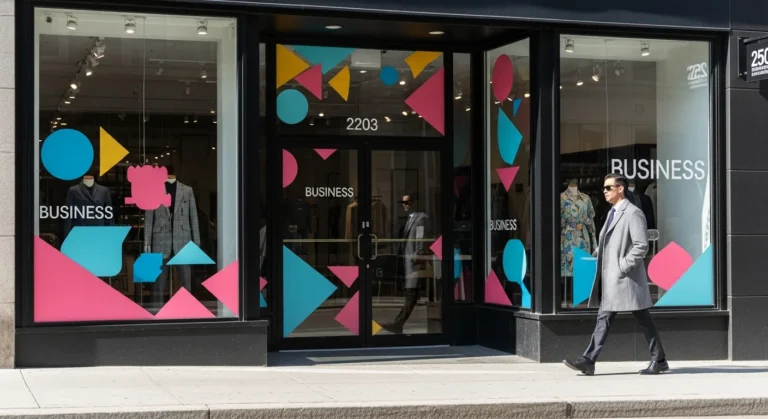
For any brick-and-mortar entrepreneur, the exterior of his building is more than just a wall; it is a canvas for his brand. Business signs outdoor serve as the primary point of contact between a company and a potential customer. In 2026, where digital fatigue is real, a physical, high-quality sign provides a tangible sense of trust and permanence. When a man walks down a busy street, he makes a split-second judgment about a shop based solely on the legibility and aesthetic of its signage.
Investing in premium signage is not merely a decorative choice; it is a strategic move to capture local market share. A well-placed sign works 24/7, ensuring that even when the owner is at home resting, his brand continues to communicate with the public. To maximize this impact, he must understand the nuances of materials, lighting, and local regulations.
Popular Types of Business Signs for Outdoor Use
The variety of signage options available today can be overwhelming. However, most successful storefronts rely on a few tried-and-true formats that offer the best return on investment.
Channel Letter Signs
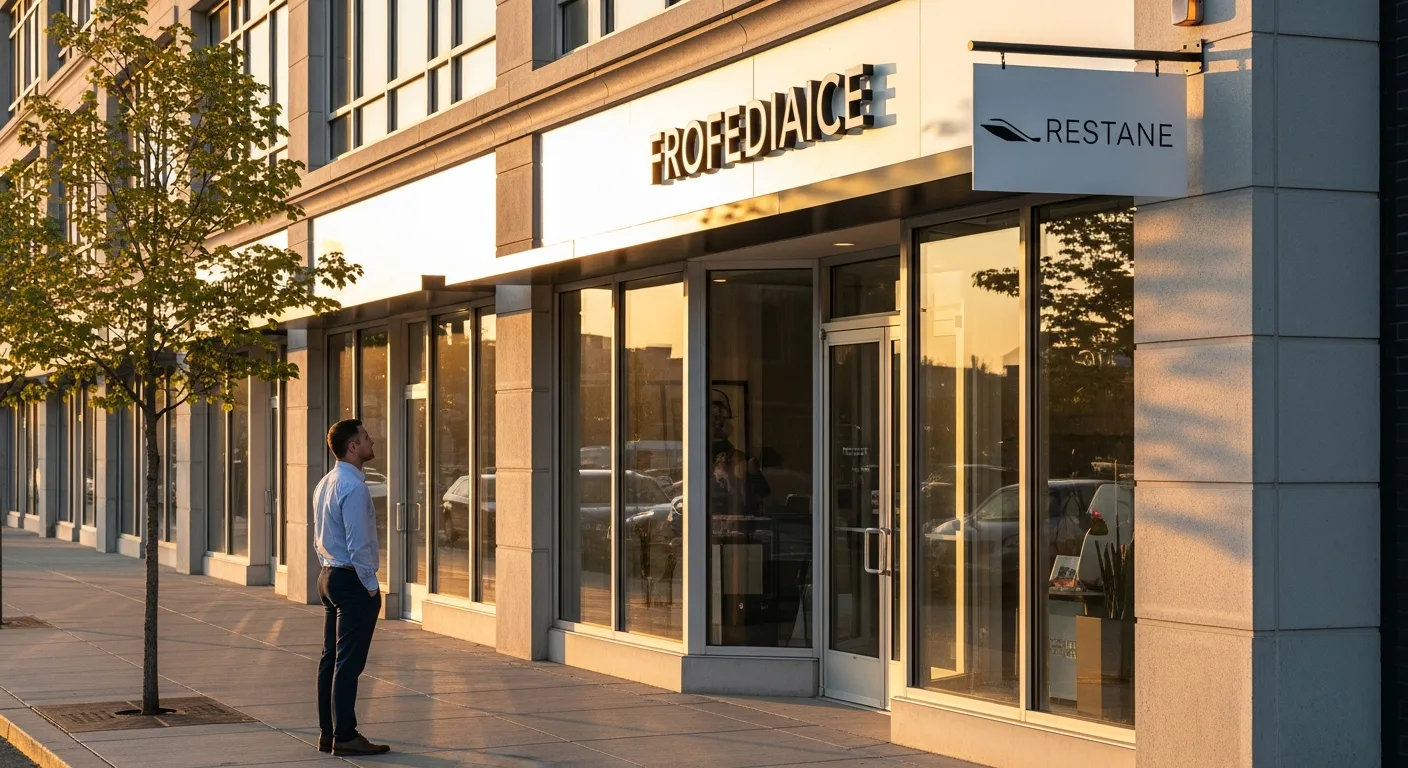
These are individual, 3D letters typically made of aluminum and acrylic. They are often illuminated from within using LEDs. This is a classic choice for a modern business owner who wants his brand name to pop against the building facade, especially at night. The depth of the letters creates a professional shadow effect that adds a premium feel.
Monument and Pylon Signs
If a business is located further back from the road, a monument sign is essential. These are low-to-the-ground structures that sit near the entrance of a parking lot. For maximum visibility from a highway, a pylon sign—which is much taller—is the preferred choice. He should ensure these signs match the architectural style of his main building to maintain brand consistency.
Blade Signs and Projecting Signs
Common in downtown areas with heavy foot traffic, blade signs hang perpendicular to the building. This allows a pedestrian to see the business name from a distance as he approaches on the sidewalk. These signs are often more artistic and can be crafted with unique shapes or vintage-style materials.
Key Factors to Consider Before Investing
Before a business owner signs a contract with a fabricator, he needs to evaluate the technical aspects of his signage. Durability is paramount, as the sign will be exposed to rain, UV rays, and fluctuating temperatures. For those looking to create custom components or intricate designs in-house, understanding the best laser cutter for small business applications can provide a significant advantage in crafting high-precision elements for smaller, localized signage projects.
Visibility and placement are equally critical. A sign that is too small for the speed of passing traffic will be ignored. He must consider the “viewing distance”—the rule of thumb is roughly 10 feet of viewing distance for every inch of letter height. Furthermore, just as a man carefully selects his business professional attire to project authority and competence, his building’s exterior must reflect the same level of sophistication and attention to detail.
- Material Choice: Aluminum is rust-proof, while High-Density Urethane (HDU) is excellent for carved, wooden-look signs that won’t warp.
- Illumination: Front-lit, back-lit (halo effect), or non-illuminated depending on operating hours.
- Color Contrast: High contrast (e.g., black on white or yellow on dark blue) ensures readability from a distance.
Navigating Permits and Zoning Laws
One of the most common mistakes an entrepreneur makes is ordering a sign before checking local ordinances. Most cities have strict codes regarding how large a sign can be, how far it can protrude, and how bright the illumination can be. He should always consult with his local planning department or hire a sign company that handles the permitting process on his behalf. Failing to do so can result in heavy fines or the forced removal of an expensive investment.
Future Trends in Signage for 2026
As we move through 2026, we are seeing a rise in “smart signage.” This includes the integration of subtle QR codes that a passerby can scan to see current promotions or the use of eco-friendly, solar-powered LED systems. Sustainability is no longer a niche concern; it is a hallmark of a forward-thinking business leader. By choosing recyclable materials and energy-efficient lighting, he demonstrates a commitment to the community that goes beyond simple profit.
Frequently Asked Questions
What is the most durable material for outdoor signs?
Aluminum is widely considered the most durable material because it does not rust and handles extreme weather well. For a more traditional look, High-Density Urethane (HDU) is a great alternative to wood as it won’t rot or crack.
Do I need a permit for an outdoor sign?
In almost all cases, yes. Local zoning laws regulate the size, height, and lighting of outdoor business signs. An owner should always secure a permit before installation to avoid legal issues.
How much should I budget for a high-quality outdoor sign?
Costs vary wildly based on size and type. A simple non-illuminated sign might cost a few hundred dollars, while large, illuminated channel letters or monument signs can range from $3,000 to over $10,000.
How long do LED outdoor signs last?
Modern LED modules are rated for 50,000 to 100,000 hours. This means if a man leaves his sign on for 12 hours a day, the lighting components could last well over a decade before needing replacement.