How Can You Launch a Profitable Videography Business for Social Media in 2026?
The Explosive Demand for Short-Form Video
Attention is the most valuable currency in 2026. For a business owner, capturing that attention requires more than just a static image; it requires movement, sound, and a narrative that fits within a 15-second window. This shift has created a massive opening for anyone looking to start a videography business for social media. Brands are no longer looking for cinematic masterpieces that take months to produce. They need high-volume, high-impact vertical content that keeps their audience engaged.
If a man wants to succeed in this space, he must understand that he is not just a cameraman. He is a growth partner. His job is to translate a brand’s message into the language of TikTok, Reels, and YouTube Shorts. The barrier to entry is lower than traditional filmmaking, but the competition is fiercer, meaning his technical skills and business acumen must be razor-sharp.
Mastering the Vertical Format and Fast Turnaround
In the current landscape, vertical video is king. A social media videographer must optimize his workflow for 9:16 aspect ratios from the moment he hits record. This isn’t just about cropping a horizontal shot; it’s about framing the action to live within the safe zones of social interfaces. While many creators begin by learning how to start a photography business, the real money today lies in moving images that stop the scroll.
- Speed over Perfection: In social media, a video posted today is worth more than a perfect video posted next month.
- Native Editing: Use trending audio and fast-paced cuts that mimic the platform’s organic feel.
- Batch Production: Film a month’s worth of content in a single day to maximize the client’s ROI.
Essential Gear for the Modern Social Videographer
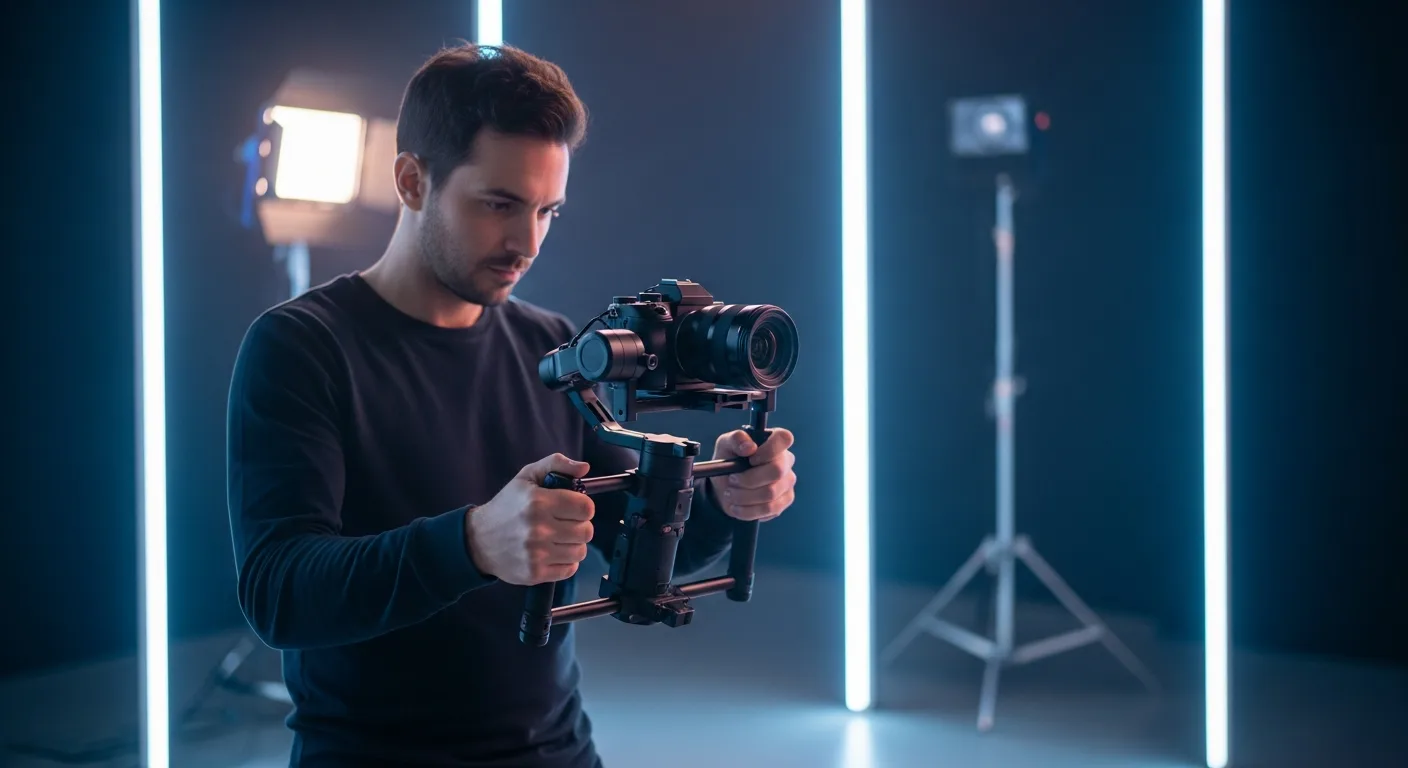
He doesn’t need a $50,000 RED camera to dominate social media. In fact, heavy rigs often slow him down. The goal is agility. A high-end mirrorless camera with excellent autofocus is the backbone of his kit. He should prioritize lenses with wide apertures to create that professional depth of field that separates his work from basic smartphone footage.
Lighting and audio are where most beginners fail. A compact COB LED light and a reliable wireless lavalier microphone system are non-negotiable. If the viewer can’t hear the subject clearly or if the scene looks muddy, they will swipe away in less than a second. He must invest in gear that allows him to set up, shoot, and move to the next location quickly.
Pricing Your Services: Retainers vs. Projects
One-off projects are the fastest way to burn out. To build a sustainable videography business for social media, he should focus on monthly retainer models. Brands need a constant stream of content, not just one video. By offering a package of 12 to 20 short-form videos per month, he secures predictable income and becomes an integral part of the client’s marketing team.
When setting his rates, he should factor in the strategy time, filming, and the intensive editing process. Scaling requires more than just better gear; he needs a roadmap on how to grow your business through strategic networking and perhaps eventually hiring an editor to handle the post-production heavy lifting.
Finding and Closing High-Value Clients
He should stop looking for clients on freelance bidding sites and start looking where the brands live: on social media itself. His own profile is his most powerful portfolio. If his own Reels and TikToks aren’t visually stunning and engaging, no marketing manager will trust him with their brand. He must demonstrate his expertise by sharing behind-the-scenes content and tips on video strategy.
Direct outreach works best when it is personalized. He should identify a brand that has great potential but poor execution, then send them a short, custom-filmed video showing exactly how he would improve their presence. This proactive approach proves his value before a contract is even signed. He should focus on niches where the average order value is high, such as real estate, high-end automotive, or professional services, where a single lead generated by his video can pay for his entire fee.
Frequently Asked Questions
What is the best camera for social media videography in 2026?
A mirrorless camera with 10-bit internal recording and excellent eye-tracking autofocus is ideal. Brands like Sony and Canon offer compact bodies that excel in vertical shooting and low-light conditions.
How much should I charge for a single short-form video?
While prices vary by market, a professional videographer should charge between $150 and $500 per edited short-form video, depending on the complexity and the strategy involved.
Do I need to provide the scripts for my clients?
Offering scriptwriting and trend research as an add-on service significantly increases your value. Most clients know they need video but have no idea what to say on camera.
Is a videography business still profitable with AI tools?
Yes. While AI can assist with editing and captions, it cannot replace the human element of directing a subject, capturing authentic moments, and understanding a brand’s unique personality on set.