How Can Local Businesses Use Event Marketing to Dominate Their Neighborhood?
The Power of Physical Presence in a Digital World
A local business owner knows that a handshake still carries more weight than a ‘like’ on a screen. While digital ads are increasingly expensive and easily ignored, a well-executed event creates a tangible connection that a Facebook post simply cannot replicate. In 2026, the most successful entrepreneurs are those who step out from behind their counters and engage directly with their neighbors.
Event marketing allows a business owner to showcase his expertise, humanize his brand, and build a level of trust that secures long-term loyalty. Whether he is running a hardware store or a boutique consultancy, hosting an event transforms his place of business from a mere shop into a community hub.
High-Impact Event Types for Local Growth
Not every event needs to be a massive festival. Often, the most effective gatherings are small, focused, and high-value. A business owner should choose a format that aligns with his specific skills and the needs of his local clientele.
- Educational Workshops: If he runs a bike shop, he might host a monthly maintenance clinic. By teaching his customers how to care for their gear, he positions himself as the go-to expert when they eventually need a major repair.
- Exclusive VIP Nights: Creating an ‘invite-only’ atmosphere for his best customers makes them feel valued. He can offer early access to new products or special discounts available only during the event.
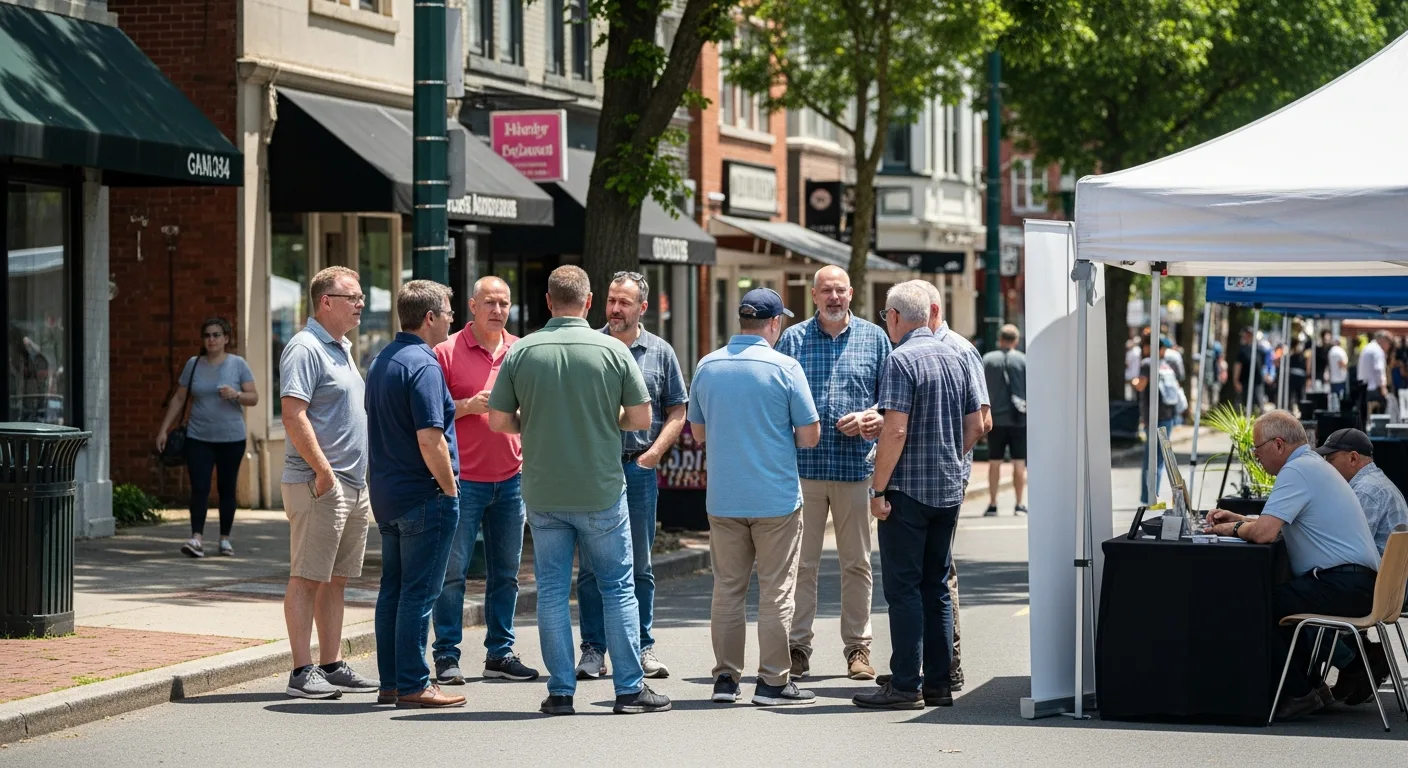
- Community Collaborations: He can partner with other local entrepreneurs to host a block party or a joint sidewalk sale. This pools resources and exposes his business to a wider, yet still local, audience.
When planning these gatherings, he can adapt proven trade show marketing strategies to fit a smaller, more intimate setting. The goal remains the same: capture attention, provide value, and follow up effectively.
Strategic Promotion: Getting the Right People Through the Door
An event is only successful if people actually show up. A business owner must be aggressive and multi-channel with his promotion. He shouldn’t rely on a single flyer in his window; he needs to meet his customers where they are.
He should start by leveraging his existing email list and social media followers. However, to reach new faces, he must look outward. Partnering with local influencers—perhaps a well-known local hobbyist or a community leader—can provide the social proof he needs. He should also consider hyper-local digital ads targeted specifically to his zip code to ensure his budget isn’t wasted on people too far away to attend.
Direct mail is also seeing a resurgence. A high-quality, personalized invitation sent to nearby residents can stand out in a world of digital clutter. It signals that his event is a significant occasion worth their time.
Measuring Success Beyond the Guest List
The true value of event marketing isn’t just the number of people who walk through the door; it is the long-term impact on the bottom line. A savvy business owner tracks specific metrics to determine his return on investment. He might use unique discount codes distributed only at the event or track the number of new email sign-ups gathered during the night.
He must also look at the ‘halo effect.’ Often, an event leads to a spike in sales in the weeks following the gathering as attendees return to make purchases they considered while on-site. This is a core component of how he can find sustainable ways to grow his business over the long haul. By focusing on the lifetime value of the relationships he builds, he ensures that every dollar spent on catering or promotion pays for itself many times over.
The Post-Event Follow-Up
The event doesn’t end when the last guest leaves. A business owner’s most important work happens in the 48 hours following the gathering. He should personally reach out to attendees, thanking them for their time and offering a small incentive to return soon.
Sharing photos and highlights from the event on his social channels also serves a dual purpose. It rewards those who attended by making them feel part of a community, and it creates ‘FOMO’ (fear of missing out) for those who didn’t, making them more likely to show up for his next scheduled event.
Frequently Asked Questions
What is the most cost-effective event for a small business?
A workshop or ‘how-to’ session is often the most budget-friendly. It requires little more than the business owner’s time and expertise, yet it provides immense value to the customer and establishes his authority in the field.
How far in advance should a business owner start promoting?
He should begin ‘teasing’ the event three to four weeks out, with a heavy promotional push starting two weeks before the date. This gives locals enough time to clear their schedules without forgetting about the event entirely.
Do I need to offer free food and drinks?
While not strictly necessary, providing light refreshments encourages people to stay longer and socialize. A business owner can often partner with a local cafe or bakery to provide these at a discount in exchange for cross-promotion.