How Can Brands Master Livestream Shopping in 2026?
The Shift from Static to Social Commerce
Static product images and dry descriptions no longer command the attention they once did. In 2026, the modern consumer craves authenticity and immediacy. He wants to see how a product moves, how it sounds, and how it solves his problems in real-time. Livestream shopping has evolved from a niche trend into a multi-billion dollar powerhouse, bridging the gap between the convenience of online shopping and the tactile experience of a physical store.
For a brand owner, this medium offers an unparalleled opportunity to build trust. When he goes live, he isn’t just selling a product; he is hosting an event. This interactive format allows him to answer questions on the fly, demonstrate features that might be missed in a photo gallery, and create a sense of community that keeps customers coming back for more than just the inventory.
Choosing the Right Platform for Your Audience
Not all platforms are created equal. A brand’s success depends heavily on where its target demographic spends their time. While Amazon Live remains a titan for product-heavy demonstrations, social platforms have integrated commerce more deeply into their DNA. For instance, when a business owner integrates his products into a TikTok Shop strategy, he taps into an algorithm designed for viral commerce, reaching users who are already in a discovery mindset.
- Instagram Live: Ideal for lifestyle brands where visual aesthetics and influencer collaborations are paramount.
- YouTube Shopping: Best for deep-dive tutorials and tech reviews where the viewer expects high-production value.
- Twitch: A goldmine for gaming and tech brands looking to engage a highly loyal, male-dominated audience.
Mastering the Art of the Live Pitch
The host is the heartbeat of the stream. He must be more than just a salesperson; he needs to be an entertainer and an expert. A successful host maintains high energy, acknowledges viewers by name as they join, and keeps the pace moving without feeling rushed. He should have a clear outline but remain flexible enough to pivot when the chat asks a specific question about a product’s durability or size.
Engagement is the primary metric. A host who ignores his audience will see his viewership plummet. By asking polls, running flash giveaways, and encouraging viewers to “smash the heart button,” he creates a feedback loop that signals to the platform’s algorithm that his content is worth promoting to a wider audience.
Conversion Tactics That Drive Immediate Sales
Livestreaming is a high-intent environment, but it still requires a strategic nudge to move a viewer from “watching” to “buying.” Scarcity and urgency are the most potent tools in a brand’s arsenal. Offering a “Live-Only Discount Code” that expires the moment the stream ends creates a powerful incentive for the viewer to complete his purchase immediately.
This real-time feedback loop is one of the most effective ecommerce conversion rate optimization strategies available today. By addressing objections instantly—such as showing the interior lining of a jacket or demonstrating the noise level of a blender—the host removes the friction that usually leads to abandoned carts. He provides the certainty the buyer needs to click “checkout” without hesitation.
Technical Setup and Production Quality
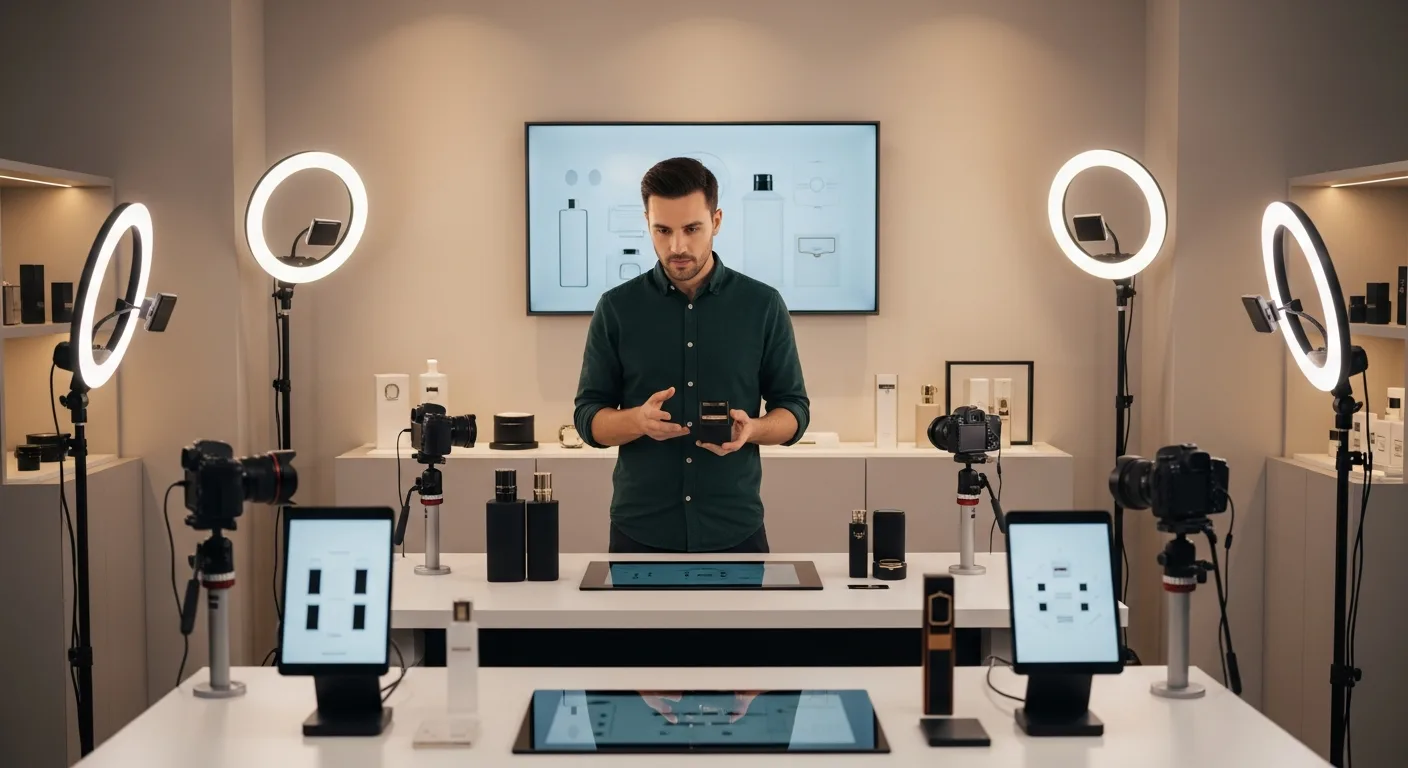
While the “lo-fi” aesthetic can feel authentic, poor technical execution will kill a brand’s credibility. A professional setup doesn’t require a Hollywood budget, but it does require attention to detail. A brand manager must ensure his host has a stable, high-speed internet connection—ideally hardwired—to prevent lagging or mid-stream crashes.
Lighting is equally critical. Using a three-point lighting setup ensures the product is the star of the show, with no distracting shadows. Clear audio is non-negotiable; a dedicated lapel or shotgun microphone is far superior to the built-in mic on a smartphone. If the viewer can’t hear the host’s explanation clearly, he will leave within seconds.
Post-Stream Strategy: Maximizing Long-Tail Value
The value of a livestream doesn’t end when the “End Stream” button is pressed. A savvy marketer knows he can repurpose that hour of content into dozens of bite-sized assets. He can cut the stream into short-form video clips for Reels or Shorts, highlighting specific product features or funny moments. These clips serve as perpetual advertisements that continue to drive traffic back to his store long after the live event has concluded.
Frequently Asked Questions
How long should a brand’s shopping livestream last?
Most successful streams last between 45 and 90 minutes. This gives the host enough time to build an audience, demonstrate multiple products, and engage in a meaningful Q&A session without overstaying his welcome.
Do I need a professional influencer to host my stream?
Not necessarily. While an influencer can bring his own audience, a knowledgeable founder or a charismatic staff member often provides more authentic product insights, which can lead to higher trust and better conversion rates.
What is the best time of day to go live?
This depends on the target audience’s habits. For a B2B brand, mid-day during the work week might work best, while a consumer electronics brand might find more success on weekday evenings or weekend afternoons when his audience is relaxing.