How to Start a Cleaning Business in 2026: A Step-by-Step Blueprint
Defining Your Cleaning Niche
Starting a cleaning business is one of the most reliable ways for a man to build a profitable enterprise with minimal upfront capital. However, the first mistake many entrepreneurs make is trying to be everything to everyone. To succeed in 2026, he must decide between residential and commercial cleaning.
Residential cleaning offers a lower barrier to entry and faster payment cycles. He can start with a single van and basic equipment. Commercial cleaning, on the other hand, involves larger contracts with offices, medical facilities, or warehouses. While the sales cycle is longer, the recurring revenue from commercial contracts provides long-term stability. He should evaluate his local market to see where the highest demand lies before committing to a specific path.
Legal Requirements and Business Structure
He cannot simply pick up a mop and start charging people; he needs a legitimate legal foundation. Registering the business as an LLC is often the smartest move for a solo entrepreneur, as it protects his personal assets from business liabilities. Once he has registered his business name, he must obtain an Employer Identification Number (EIN) from the IRS for tax purposes.
Insurance is non-negotiable. At a minimum, he needs general liability insurance to cover any accidental damage to a client’s property. If he plans on hiring employees later in the year, he will also need workers’ compensation insurance. Staying compliant with local licensing laws ensures he won’t face heavy fines that could sink his new venture before it gains momentum.
Equipping Your Business for Success
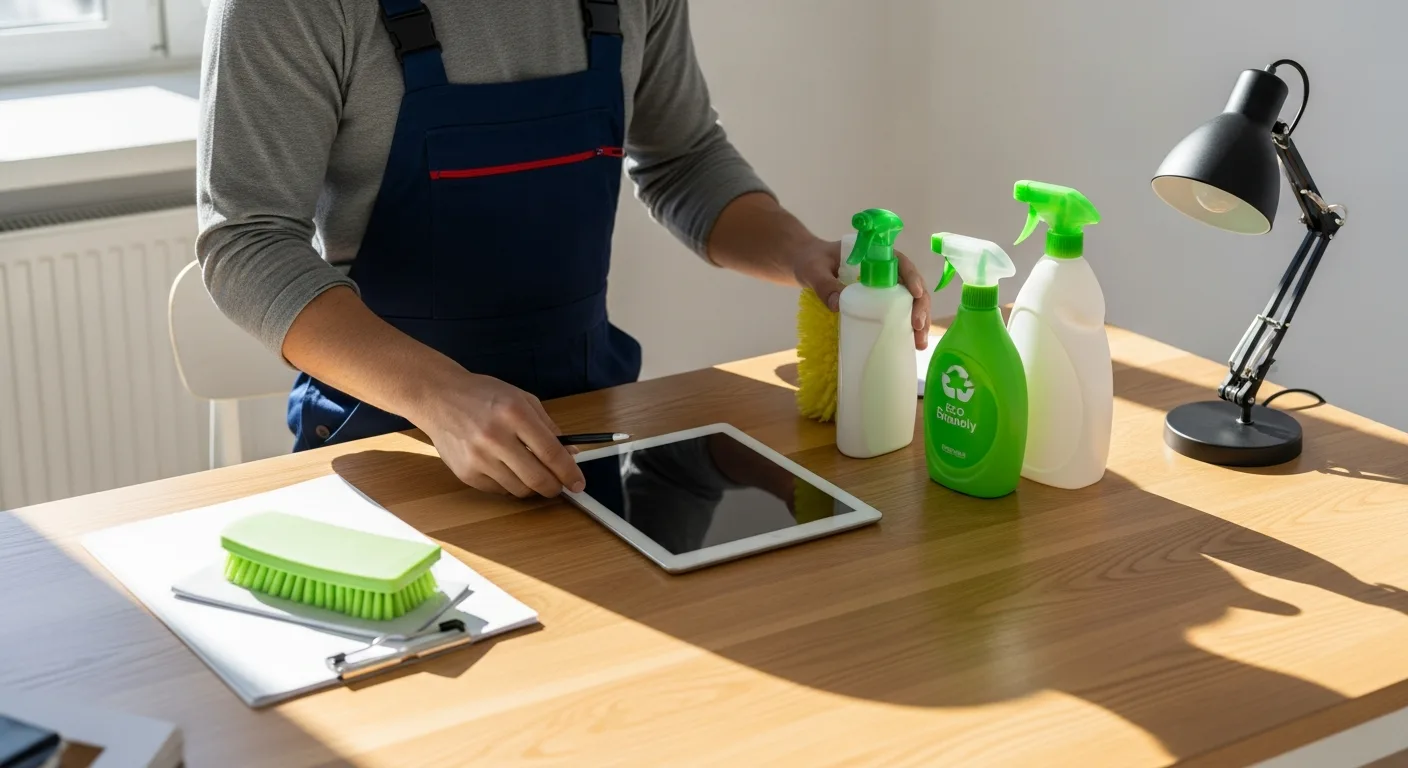
The quality of the work is directly tied to the tools used. While it is tempting to buy cheap, consumer-grade vacuums, they will not survive the rigors of daily professional use. He needs industrial-strength equipment that can handle back-to-back jobs without breaking down. Before he takes his first job, he must ensure he is stocking up on the right professional-grade tools to deliver high-quality results.
- HEPA Filter Vacuums: Essential for improving indoor air quality and meeting modern health standards.
- Microfiber Systems: These are more effective at trapping dirt and bacteria than traditional cotton cloths.
- Eco-Friendly Chemicals: In 2026, clients prioritize green cleaning solutions that are safe for pets and children.
Pricing Your Services for Profit
Underpricing is a silent killer for new cleaning businesses. He must calculate his overhead, including fuel, supplies, insurance, and his own labor time, before setting a rate. There are two primary models: hourly rates and flat fees.
Hourly rates are safer for deep cleans or first-time visits where the workload is unpredictable. Flat fees are better for recurring maintenance cleans where he has a clear understanding of how long the job takes. He should aim for a profit margin of at least 20% to 30% after all expenses are paid. If he prices himself too low, he will attract bargain hunters who are difficult to satisfy and unlikely to remain loyal.
Marketing and Client Acquisition
In a digital-first economy, a cleaning business lives or dies by its online reputation. He needs a professional website that allows clients to book services or request quotes instantly. A robust modern home services marketing strategy is essential for standing out in a crowded local market.
He should focus on Local SEO and Google Business Profile management. Encouraging every satisfied client to leave a five-star review will do more for his growth than any expensive billboard. Additionally, he can use targeted social media ads to reach homeowners in specific zip codes, ensuring his marketing budget is spent on the people most likely to hire him.
Scaling and Systems
To move from a one-man operation to a scalable company, he must implement systems. This includes using scheduling software to manage appointments and automated invoicing to ensure he gets paid on time. Once his schedule is consistently full, he can look into hiring his first technician.
Training is the key to scaling. He must document his cleaning processes so that every team member delivers the same level of excellence he does. By stepping out of the day-to-day cleaning and into a management role, he can focus on high-level growth, networking, and securing larger commercial contracts that drive significant revenue.
Frequently Asked Questions
Is a cleaning business profitable in 2026?
Yes, cleaning businesses remain highly profitable because they provide an essential service that cannot be automated by AI. With low overhead and high demand, a well-managed business can see significant returns within its first year.
How much does it cost to start a cleaning business?
A man can start a basic residential cleaning business for as little as $1,000 to $2,000, covering initial supplies, insurance, and basic marketing. Commercial setups may require more investment for heavy-duty machinery.
Do I need a special license to clean offices?
While a general business license is usually enough, some states or municipalities require specific permits for handling biohazardous waste or using certain industrial chemicals. He should check with his local chamber of commerce for specific requirements.