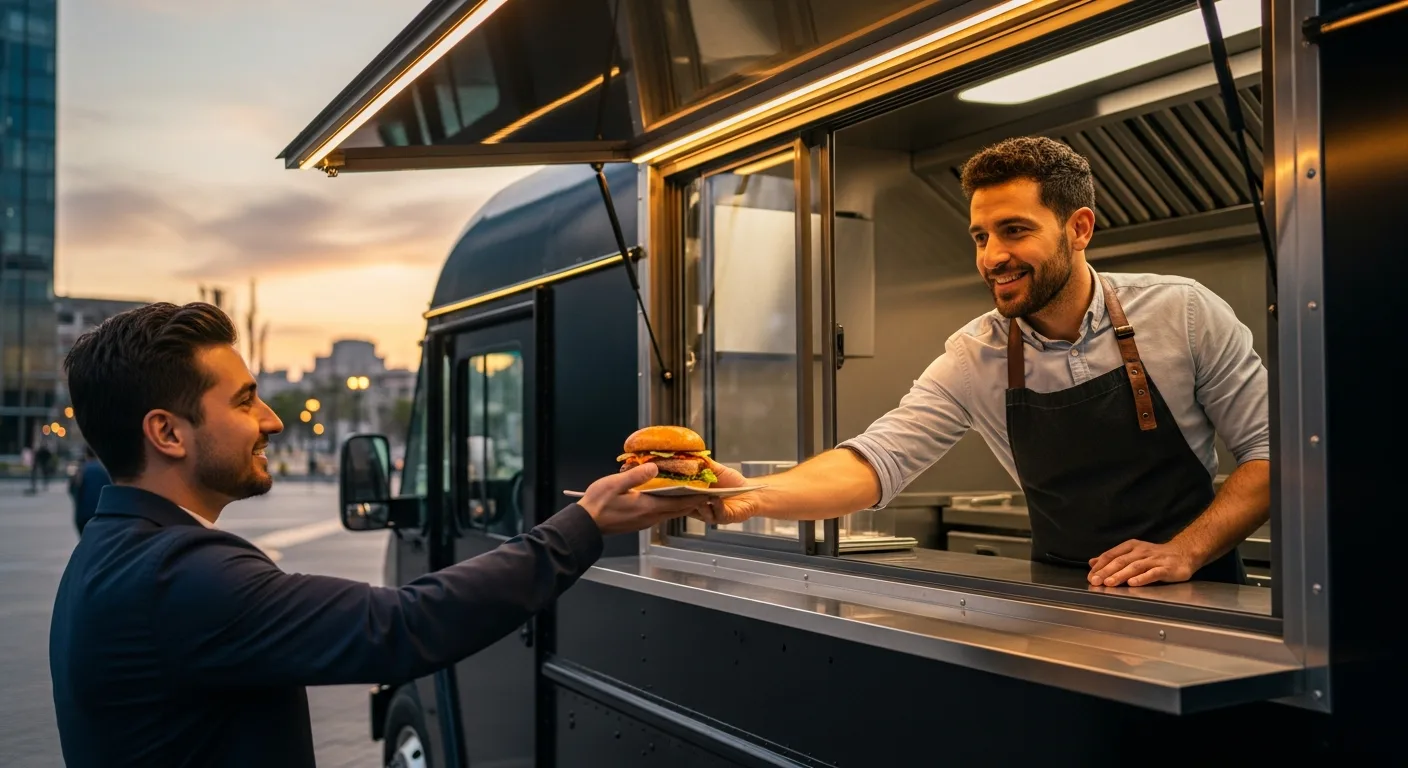
How Can He Launch a Profitable Food Truck Business in 2026?
The Shift Toward Mobile Dining in 2026
The culinary world has moved beyond the constraints of four walls. In 2026, the food truck business represents one of the most agile ways for an entrepreneur to enter the hospitality industry without the crushing overhead of a traditional restaurant. While the competition is fierce, the ability to move where the customers are gives a truck owner a distinct advantage. He can pivot his location based on real-time data, festivals, or corporate lunch shifts, ensuring his kitchen stays busy throughout the day.
When considering modern entrepreneurial paths, the mobility of a kitchen offers unmatched flexibility. Success in this field requires more than just a great recipe; it demands a sharp mind for logistics, a handle on local regulations, and a brand that stands out in a crowded parking lot.
Defining a Unique Culinary Identity
A generic menu is a recipe for failure. To thrive, a business owner must narrow his focus to a specific niche that fills a gap in the local market. Whether he specializes in fusion street tacos, artisanal breakfast sandwiches, or plant-based comfort food, his concept must be clear and easily communicated through his truck’s wrap and signage.
- Menu Engineering: He should limit his offerings to 5-7 core items. This reduces waste, speeds up service, and ensures he can maintain high quality even during a rush.
- Branding: His truck is a moving billboard. He needs a visual identity that catches the eye from a block away.
- Sourcing: Establishing relationships with local farmers or wholesalers allows him to keep his ingredient costs predictable while marketing the freshness of his food.
Navigating the Logistics of a Food Truck Business
The operational side of a food truck is where many beginners stumble. He must treat his truck like a high-performance machine. This involves regular mechanical maintenance to avoid breakdowns that could cost him a full day of revenue. Furthermore, the interior layout must be optimized for speed. Every second a customer waits is a second he could be serving the next person in line.
He also needs to consider where he will prep his food. Most jurisdictions require a licensed commissary kitchen for heavy prep work and overnight storage. He should factor these monthly fees into his operating budget from day one. Managing his inventory effectively ensures he doesn’t run out of his best-selling item halfway through a busy Saturday night.
Mastering the Financials and Funding
Starting a food truck business is cheaper than a storefront, but it still requires significant capital. Between the vehicle, professional-grade kitchen equipment, initial inventory, and permits, he might be looking at an investment ranging from $70,000 to $150,000. Securing a loan often requires a professional touch; a consultant can help him structure his proposal to satisfy bank requirements and prove the viability of his model.
He must keep a close eye on his prime cost—the combination of food costs and labor. In 2026, successful operators aim to keep this under 60% of their total revenue. By using modern point-of-sale (POS) systems, he can track which items are his most profitable and adjust his menu prices accordingly to combat inflation.
Marketing and Community Engagement
In the digital age, a food truck’s location is its most valuable piece of information. He should use social media platforms to broadcast his daily schedule. However, he shouldn’t just post a list of addresses; he needs to build a community. Sharing behind-the-scenes footage of his prep work or highlighting his staff helps customers feel a personal connection to his brand.
Partnering with local breweries, office parks, and event organizers can secure him consistent, high-traffic spots. He should also look into catering private events, such as weddings or corporate retreats, which often provide a guaranteed minimum payment and higher profit margins than street vending.
Frequently Asked Questions
How much does it cost to start a food truck in 2026?
On average, an entrepreneur should expect to spend between $75,000 and $150,000. This includes the truck, equipment, licensing, and initial marketing. Used trucks can lower the entry price, but they may come with higher maintenance costs.
Is a food truck business more profitable than a restaurant?
It can be, primarily due to lower overhead. He doesn’t have to pay for a large dining room, a full waitstaff, or expensive property taxes. However, his revenue is capped by the physical size of his kitchen and the number of hours he can operate.
What permits does he need to operate?
He will typically need a general business license, a health department permit, a fire certificates, and a mobile food vendor permit. Requirements vary significantly by city and state, so he must check local ordinances before purchasing a vehicle.
How does he find the best locations?
He should use data from his POS system to see where his sales are highest. Additionally, scouting areas with high foot traffic, limited food options, and supportive local businesses is key to his success.