Why the Central Business District Remains the Heart of Global Commerce
Defining the Central Business District
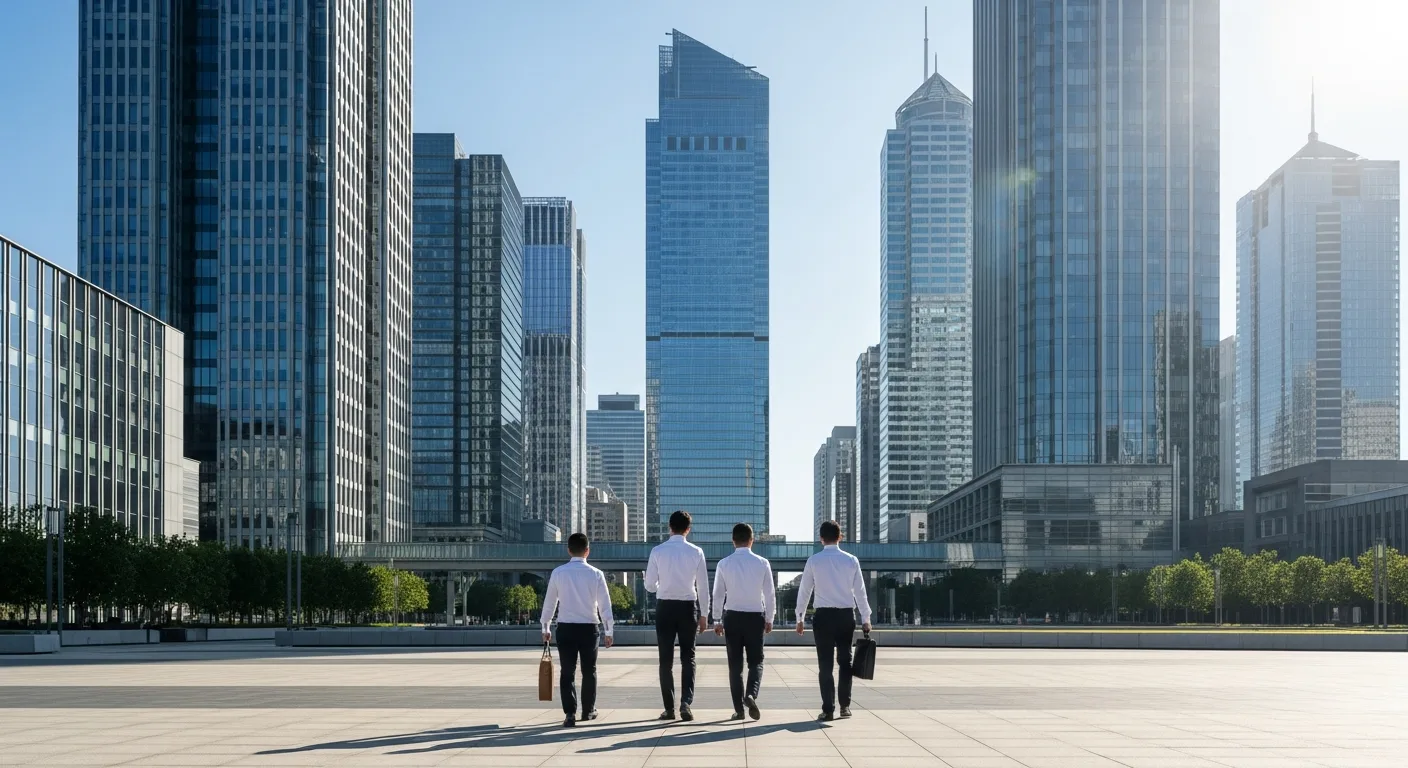
The central business district, commonly known as the CBD, serves as the commercial, financial, and often the geographical core of a city. It is the powerhouse of urban economic activity, characterized by a high concentration of retail and office space. For the modern executive, the CBD represents a nexus of opportunity where he can connect with high-value partners and establish a prestigious presence for his firm.
While urban landscapes continue to evolve, the fundamental role of the CBD remains constant. It is the location where infrastructure, human capital, and financial resources converge. When a businessman considers the trajectory of his enterprise, he often looks toward these hubs to gauge the health of the local economy and the potential for expansion.
Key Characteristics of a Thriving CBD
A successful central business district is defined by several distinct features that make it attractive to global investors and local entrepreneurs alike. These elements ensure that the district remains functional and vibrant throughout the work week.
- High Building Density: CBDs are famous for their skylines. The vertical growth allows for a massive concentration of talent and resources within a walkable radius.
- Transport Accessibility: These districts are typically the focal point of a city’s public transit system. Whether he is commuting by rail or road, the professional finds that the CBD is the most accessible point in the region.
- Commercial Diversity: From global banking headquarters to specialized legal firms, the variety of services available is unmatched.
- Infrastructure Excellence: High-speed internet, reliable power grids, and advanced security systems are standard requirements for businesses operating here.
The Strategic Importance for Modern Growth
Positioning a company within a central business district is a strategic move that signals stability and ambition. For the entrepreneur looking to scale, the physical location of his office can be just as important as his digital footprint. This is why many leaders focus on securing business real estate growth in these premium zones, ensuring they stay at the forefront of their respective industries.
Proximity to other industry leaders fosters an environment of spontaneous networking. A CEO might find that a simple lunch meeting in the CBD leads to a partnership that reshapes his entire business model. The density of talent also means that when he needs to hire top-tier specialists, he is already situated in the place where they are most likely to work.
How Technology is Reshaping the Hub
In 2026, the central business district is no longer just about concrete and glass; it is about smart integration. Digital transformation has turned these districts into “smart hubs” where data informs everything from traffic flow to energy consumption. A business owner must ensure that his internal systems are compatible with this advanced urban environment.
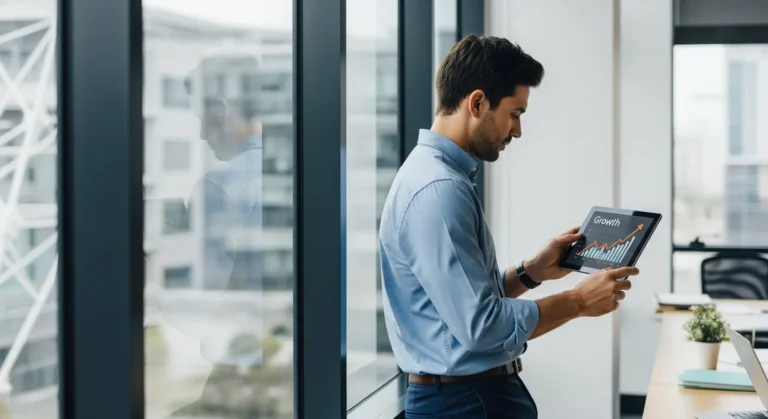
Leveraging high-end business IT services for operational efficiency is essential for any professional operating in a modern CBD. As the district becomes more interconnected, the businessman who invests in robust digital infrastructure will find himself at a significant advantage over competitors who rely on legacy systems. He can utilize real-time data to optimize his logistics, manage his workforce, and interact with the city’s smart grid.
The Future of the CBD in 2026 and Beyond
The evolution of the central business district has led to the rise of the “mixed-use” model. While commerce remains the priority, there is a growing emphasis on creating environments where a professional can work, dine, and exercise without leaving the district. This holistic approach ensures that the CBD remains active even after traditional office hours.
For the male professional, this means his workday is supported by high-end amenities that cater to his lifestyle. He can host a client at a world-class restaurant, attend a fitness session, and return to his office, all within a few blocks. This efficiency is what keeps the CBD relevant in an era where remote work is an option, but the power of physical presence remains undeniable.
Frequently Asked Questions
What is the difference between a CBD and a downtown area?
While the terms are often used interchangeably, the CBD specifically refers to the commercial and financial heart of the city. “Downtown” is a more general term that may include residential or historical areas that do not necessarily focus on high-density business activities.
Why do businesses pay higher rent for CBD locations?
A businessman pays a premium for a CBD location because of the prestige, the proximity to clients, and the superior infrastructure. The return on investment often comes in the form of better networking opportunities and access to a more qualified talent pool.
How does a CBD impact local property values?
The presence of a thriving central business district typically drives up property values in the surrounding areas. As the hub grows, demand for nearby residential and commercial space increases, benefiting the investor who has positioned his assets strategically.
Is the central business district still relevant in 2026?
Yes. Despite the rise of remote work, the CBD remains the primary location for high-level decision-making, financial transactions, and face-to-face negotiations that are essential for global trade.