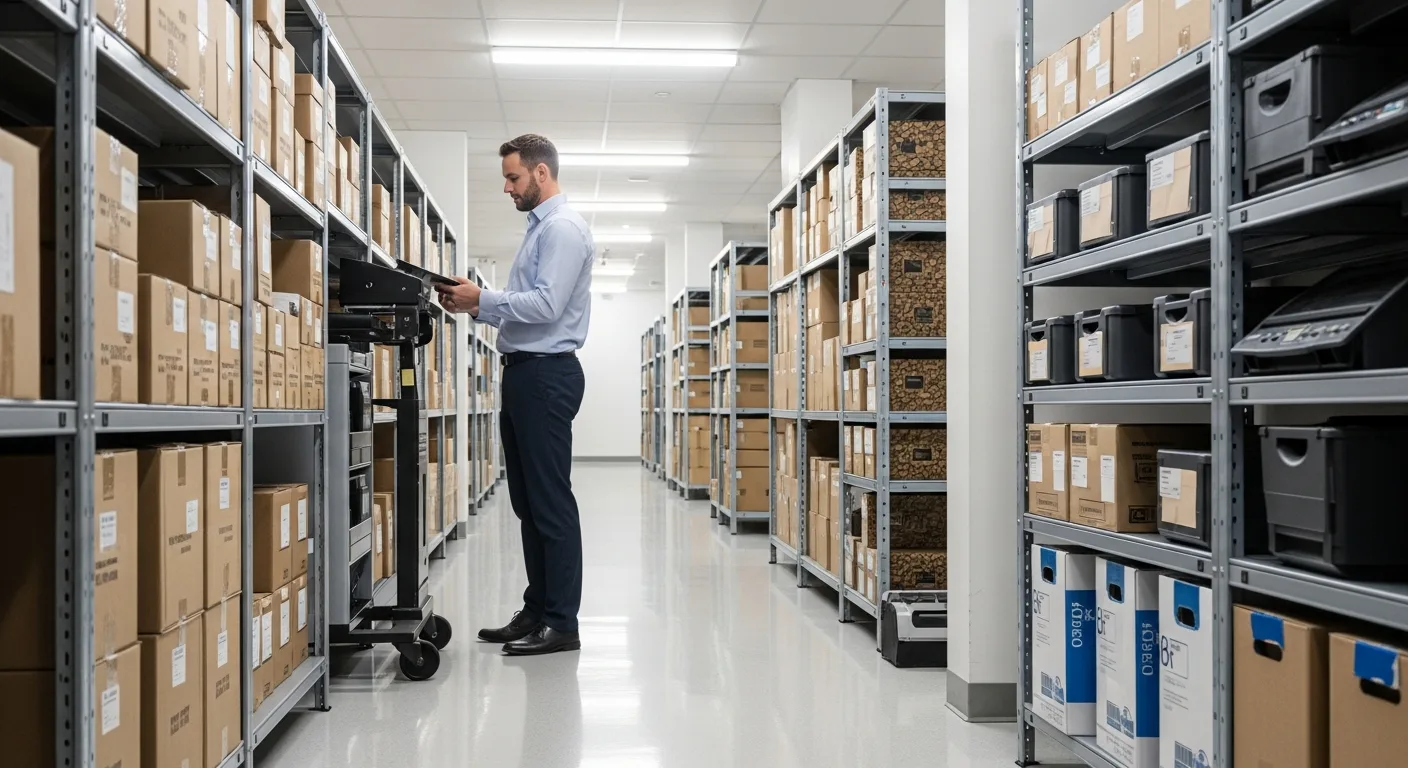
Why Savvy Business Owners are Scaling with Business Storage Units
The Strategic Shift Toward Off-Site Storage
In the competitive landscape of 2026, the modern entrepreneur often finds himself at a crossroads: expand his physical office space at a premium or find a smarter way to manage his physical assets. As he scales his operations, the sheer volume of inventory, equipment, and archives can quickly overwhelm his primary workspace. This is where business storage units become more than just a convenience; they become a vital strategic tool for his success.
By utilizing off-site storage, a business owner can maintain a lean, professional office environment while keeping his essential materials accessible. This approach allows him to focus on core business activities without being bogged down by clutter or the logistical nightmare of a cramped headquarters.
Financial Advantages of Business Storage Units
One of the primary reasons a leader chooses storage units over larger commercial leases is the significant cost savings. Commercial real estate prices continue to climb, and committing to a long-term lease for extra square footage can be a risky financial move. Instead, he can opt for a month-to-month storage agreement that offers the flexibility he needs.
- Lower Overhead: Storage units typically cost a fraction of the price per square foot compared to retail or office space.
- No Long-Term Commitment: He can scale up or down depending on his seasonal needs without being trapped in a multi-year contract.
- Tax Deductibility: In many jurisdictions, the cost of a business storage unit is a fully deductible business expense, further improving his bottom line.
When an entrepreneur is focused on securing business real estate growth, he must look at every avenue to save capital while maintaining operational efficiency.
Maximizing Operational Efficiency and Security
Security is a paramount concern for any business owner. When he stores his high-value inventory or sensitive documents, he needs to know they are protected. Modern storage facilities offer advanced security features that often surpass what he might have in a standard office building. This includes 24/7 video surveillance, electronic gate access with individual codes, and on-site personnel.
Furthermore, climate-controlled units ensure that his electronics, delicate fabrics, or paper records are protected from extreme temperatures and humidity. This level of protection is essential for his peace of mind, knowing that his assets are preserved in the same condition he left them.
When to Make the Move to a Business Unit
How does an entrepreneur know it is time to transition his items? There are several key indicators:
If his office has become a warehouse, he is likely losing productivity. When he spends more time digging through boxes than meeting with clients, he needs a change. Additionally, if he is planning a relocation or renovation, he might find it beneficial to hire a professional team to handle the heavy lifting while he stores his furniture and equipment temporarily.
Seasonal businesses also benefit immensely. A business owner who deals in holiday merchandise or outdoor equipment can use a storage unit to house his off-season stock, ensuring his main workspace remains functional year-round.
Organizing Your Unit for Peak Performance
To get the most out of his investment, the business owner must organize his unit with precision. He should start by creating a clear inventory list and labeling every box clearly. Using heavy-duty shelving units allows him to utilize vertical space, making it easier to access items without moving everything around.
He should place his most frequently used items near the front of the unit and leave a small aisle in the center so he can reach the back easily. By treating his storage unit like a mini-distribution center, he ensures that his workflow remains uninterrupted.
Frequently Asked Questions
Are business storage units tax-deductible?
Yes, for most business owners, the cost of renting a storage unit for business purposes is considered an operational expense. He should consult with his accountant to ensure he is documenting these costs correctly for his tax filings.
Can I run my business out of a storage unit?
Generally, storage units are intended for storage and logistics rather than as a primary office. While he can certainly manage his inventory and perform light tasks, most facilities do not allow him to use the unit as a permanent storefront or workspace due to zoning and insurance regulations.
What size storage unit does a small business need?
The size depends entirely on his specific needs. A 5×10 unit might be perfect for document archiving, while a 10×20 or larger might be necessary if he is storing large pieces of equipment or significant amounts of retail inventory.
Is climate control necessary for business storage?
If he is storing electronics, wood furniture, or sensitive documents, climate control is highly recommended. It prevents damage from moisture and extreme heat, which could otherwise ruin his valuable business assets over time.